
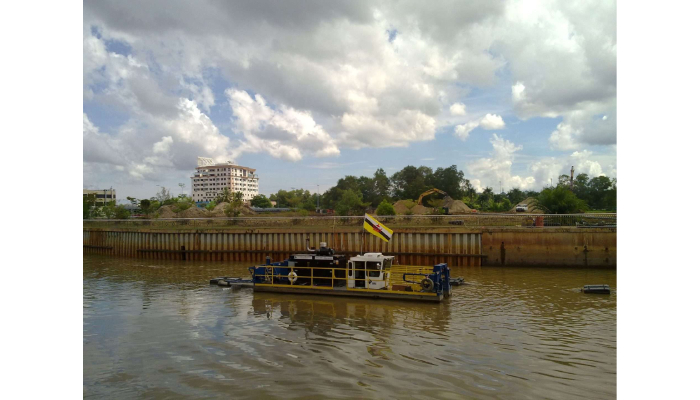
River dredging equipment is essential for maintaining waterways and enhancing ecosystems. Hydraulic dredges, equipped with pumps, efficiently create sediment slurries, allowing for quick transportation. Meanwhile, mechanical dredges use scoops to tackle compact materials effectively. The best equipment boasts features like high efficiency and versatility across various environments, including rivers and coastlines. Durability ensures long service life while lower operational costs make these machines economically appealing. Innovations such as automation and smart energy systems enhance performance while complying with environmental regulations is crucial to reduce impact on natural habitats. Regular maintenance further maximizes the effectiveness of this vital equipment.
1. Types of Dredging Equipment
River Dredging equipment comes in various types, each designed for specific tasks and environments. Hydraulic dredges are a popular choice, utilizing pumps to create a slurry of sediment mixed with water, making it easy to transport materials over long distances. For heavy materials like dense sands, hopper dredges shine, efficiently moving these tough loads. When faced with compacted sediments, cutterhead pipeline dredges are the heroes, capable of breaking through tough layers and accessing materials that other equipment cannot.
Mechanical dredges, on the other hand, rely on physical scoops or buckets to extract sediment from the riverbed. Clamshell dredges function like giant claws, perfect for selective dredging in shallow waters, while dipper dredges are built for deeper channels, lifting heavier loads thanks to their robust design. Bucket dredges are incredibly versatile, working effectively across various sediment types, which makes them a favorite for construction projects.
Moreover, specialized dredges can be tailored for specific tasks, such as environmental clean-ups or land reclamation. Electric dredges are gaining traction as an eco-friendly option, providing a quieter operation that benefits both workers and nearby communities. For underwater operations, submersible dredges offer great flexibility, allowing crews to tackle diverse environments with ease. With each type of dredging equipment serving unique functions, understanding these options is key to effective river dredging.
2. Key Features of Effective Dredging Equipment
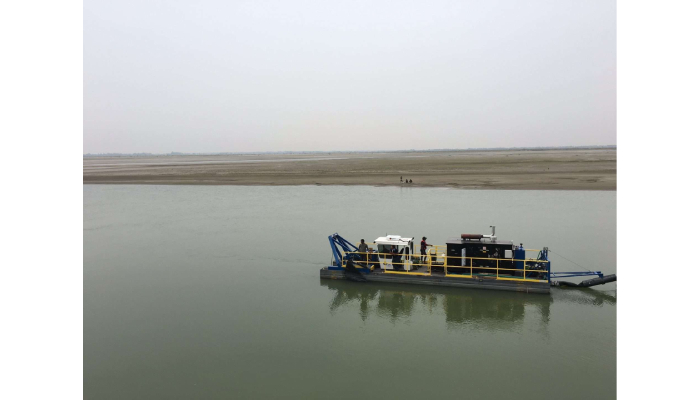
High efficiency is vital for effective dredging equipment, enabling continuous material transport without frequent stops. This means projects can progress smoothly, minimizing downtime and maximizing productivity. Versatility is another essential feature, allowing equipment to perform in various environments, from rivers to coastal areas. This adaptability accommodates a wide range of dredging projects, ensuring that operators can tackle diverse challenges with ease.
Durability is key as well, with robust materials designed to withstand harsh conditions, reducing the need for frequent repairs. Operators appreciate cost-effectiveness, which comes from lower fuel consumption and fewer required personnel, making dredging projects financially viable. User-friendly controls simplify operation, allowing individuals with varying skill levels to effectively manage the equipment.
Furthermore, adaptability to different sediment types ensures that the dredging equipment maintains optimal performance even in changing conditions. Energy-efficient designs not only boost productivity but also lessen the environmental impact, an increasingly important consideration in today’s eco-conscious world. Compact designs facilitate easy transport and setup at various job sites, making it easier for operators to mobilize quickly. Advanced monitoring systems provide real-time tracking of performance and maintenance needs, helping to keep operations running smoothly. Lastly, safety features are crucial, ensuring the protection of both operators and the environment during dredging operations.
- High efficiency is crucial, allowing for continuous material transport without frequent stops.
- Versatility enables dredging in various environments, from rivers to coastal areas, accommodating diverse projects.
- Durability comes from robust materials that withstand harsh environments, reducing the need for frequent repairs.
- Cost-effectiveness is achieved through lower fuel consumption and fewer operators, making projects more viable.
- User-friendly controls simplify operation, allowing operators of varying skill levels to manage equipment effectively.
- Adaptability to different sediment types ensures optimal performance in changing conditions.
- Energy-efficient designs reduce environmental impact while maintaining productivity.
- Compact designs allow for easy transport and setup at various job sites.
- Advanced monitoring systems help track performance and maintenance needs in real-time.
- Safety features ensure the protection of operators and the environment during operations.
3. Benefits of Dredging
Dredging brings a host of benefits that significantly impact waterways and surrounding communities. One of its primary advantages is improving navigation. By maintaining the proper depth in channels, dredging ensures that vessels can safely pass, which is crucial for both commercial shipping and recreational boating. Additionally, dredging plays a vital role in environmental restoration. It removes harmful sediments and pollutants, thereby enhancing water quality and aiding in the recovery of local ecosystems. This process not only helps restore habitats for aquatic life but also promotes healthier environments for fish and other species, which thrive better in well-oxygenated waters.
Land reclamation is another exciting benefit of dredging. The materials excavated can be repurposed for various construction projects, creating new landforms that support urban growth and development. For example, cities can create parks, residential areas, or commercial spaces from dredged materials. Furthermore, dredging enhances recreational opportunities by creating cleaner and safer waterways for fishing, swimming, and other activities, allowing communities to enjoy their natural resources more fully.
From an economic perspective, dredging can stimulate local growth. Dredging projects often create jobs and support local businesses, providing a significant boost to the economy. It also plays a critical role in infrastructure development, making it easier to build and maintain ports, bridges, and other essential waterways-related projects. Moreover, dredging improves flood control by increasing the capacity of rivers and canals, which helps manage excess water during heavy rains or storms. In times of disaster, dredging can aid recovery efforts by clearing debris and restoring access to affected areas, showcasing its versatility and importance in both environmental and community resilience.
4. Technological Innovations in Dredging
Technological innovations are transforming river dredging equipment into smarter, more efficient tools. Automation is at the forefront, enabling real-time monitoring of operations, which enhances both efficiency and safety. This means operators can track dredging activities closely, allowing for quick adjustments when needed. Smart energy systems are another exciting advancement, integrating energy-saving technologies that significantly reduce fuel usage and emissions. This eco-friendly approach not only cuts costs but also lessens the environmental impact of dredging operations.
Remote operation capabilities are revolutionizing safety in hazardous environments. Operators can control dredging from a distance, minimizing their exposure to potential dangers associated with underwater work. The incorporation of data analytics tools offers deeper insights into dredging performance, helping teams optimize their operations and cut costs effectively. With GPS technology, dredging precision has reached new heights, ensuring accurate sediment removal while safeguarding the surrounding ecosystem.
Telematics systems provide the ability to track equipment performance and maintenance needs remotely, allowing for proactive care and reducing downtime. Advanced hydraulic systems are enhancing the power and efficiency of dredging operations, making them more effective than ever. Moreover, innovative eco-friendly solutions are being developed to minimize the ecological footprint of dredging, ensuring that these activities can coexist with nature. 3D modeling is also becoming a key tool in planning dredging projects, offering better visualization of the areas to be dredged and leading to more informed decision-making. Additionally, robotic dredging solutions are emerging, capable of performing tasks in remote or underwater environments autonomously, marking a significant leap forward in dredging technology.
5. Operational Considerations for Dredging
Operational considerations are essential for the success of any dredging project. Selecting the right equipment based on sediment type is vital for maximizing efficiency. For instance, hydraulic dredges excel in softer sediments while mechanical dredges are better suited for compacted materials. When dealing with deep water, specialized equipment is necessary, whereas shallow operations might require lighter, more maneuverable tools. Environmental assessments should be conducted to understand the potential impacts of dredging, ensuring compliance with regulations. This proactive approach helps in minimizing ecological disruption and maintaining the integrity of surrounding habitats.
Weather conditions also play a significant role in dredging schedules. Rain or strong winds can halt operations, necessitating adaptive planning and potential equipment adjustments. Furthermore, seamless communication among team members ensures operations run smoothly and allows for quick responses to unforeseen challenges. Training operators is crucial for both safety and effective equipment use. A knowledgeable team can manage the complexities of dredging, making for a more streamlined operation.
Logistics are another critical component, as planning the transportation of dredged materials and equipment to and from job sites requires careful coordination. Monitoring sediment displacement is important too, as it helps minimize ecological impacts. Having emergency protocols in place is vital for addressing accidents or equipment failures, ensuring that the team is prepared for any situation. Lastly, collaborating with local authorities can facilitate a smoother project execution, enabling adherence to regulations and fostering community relations.
6. Maintenance Best Practices for Dredging Equipment
Routine inspections are essential for catching wear and tear on dredging equipment before it turns into a bigger problem. Regular checks help ensure that everything runs smoothly and extends the life of the machinery. Scheduling preventive maintenance is crucial too, as it keeps the equipment in top shape and helps avoid those expensive repairs that can throw a wrench in operations. Keeping an inventory of critical spare parts is another smart move, as having quick replacements on hand minimizes downtime during crucial operations.
Training maintenance staff specifically on the dredging equipment is key for effective repairs and upkeep. This knowledge allows them to address issues quickly and efficiently. After each use, proper cleaning of the equipment prevents sediment buildup and reduces the risk of corrosion, which can shorten service life. Regular lubrication of moving parts is also vital, as it cuts down on friction and wear, ultimately enhancing performance.
Having easy access to equipment manuals is a simple yet effective way to assist with troubleshooting and servicing tasks. Documenting maintenance logs can help track service history and identify recurring issues, leading to better planning in the future. Furthermore, considering upgrades to newer technologies can provide significant benefits, improving efficiency and safety while reducing maintenance needs over time. Lastly, building a relationship with equipment manufacturers can be a game-changer, offering expert advice and support for any maintenance challenges that arise.