
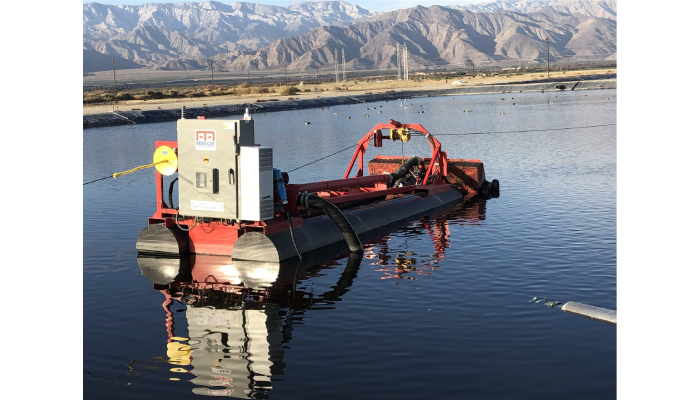
Wastewater dredging is vital for keeping our water bodies healthy, as it removes harmful sediments and debris that can impact ecosystems. Improving efficiency in this process can yield significant benefits, such as lowering operational costs and minimizing environmental harm. Staying updated with current trends, like adopting GPS technology and eco-friendly methods, is essential for achieving these goals. Engaging in practices like regular monitoring of sediment levels ensures timely maintenance while training personnel on new technologies boosts productivity. Ultimately, by focusing on sustainability and innovation, like using data analytics, we can enhance dredging effectiveness while safeguarding our environment for future generations.
1. What is Wastewater Dredging?
Wastewater dredge is an essential process that involves the removal of sludge, sediments, and debris from water bodies. This practice is vital for keeping our rivers, lakes, and ponds clean and functional. By dredging, we not only improve water quality but also enhance habitats for aquatic life, allowing fish and other organisms to thrive. Additionally, maintaining clear waterways is crucial for navigation and recreational activities, making our water bodies accessible and enjoyable for everyone.
Dredging plays a significant role in preventing flooding by ensuring proper water flow and drainage. When sediments build up, they can obstruct waterways and lead to overflow during heavy rains. Therefore, regular dredging helps mitigate these risks, protecting communities and ecosystems alike.
The economic benefits of dredging cannot be overlooked either. Clean water is essential for tourism and fishing industries, supporting local economies. Various methods, including mechanical and hydraulic dredging, are employed based on specific needs and conditions of the targeted areas.
Moreover, dredging has the potential to address pollution legacies by removing harmful contaminants from sediments. However, it requires careful planning to minimize disruption to local ecosystems and communities, and it is governed by strict regulations to ensure the protection of water quality and aquatic life.
2. Why Focus on Dredging Efficiency?
Focusing on dredging efficiency is crucial for several reasons. First, it directly impacts project costs, making efficient methods more budget-friendly and appealing to stakeholders. By reducing the time needed for dredging operations, projects can be completed faster, allowing for quicker restoration of water bodies and minimizing disruption to surrounding communities. Furthermore, efficient dredging practices minimize waste and resource usage, aligning with sustainable practices that are increasingly important in today’s world.
Enhanced efficiency also improves the effectiveness of sediment removal techniques, leading to better water quality and healthier aquatic habitats. This, in turn, supports urban planning and development efforts by ensuring that water bodies are reliable and safe, reducing risks associated with flooding and pollution. Importantly, focusing on efficiency helps maintain compliance with environmental regulations, fostering better community acceptance and support for dredging projects. Moreover, it boosts the performance of dredging equipment, extending its lifespan and lowering maintenance costs, which is beneficial for both the environment and project budgets.
Ultimately, prioritizing dredging efficiency promotes innovative practices that can be shared across industries, encouraging collaboration and development of new solutions in wastewater management.
3. Trends Shaping Wastewater Dredging
The landscape of wastewater dredging is evolving rapidly, driven by several exciting trends. One of the most significant shifts is the increased use of automation and robotics, which not only boosts precision but also reduces the need for extensive human labor. This means that dredging operations can be completed faster and more accurately, ensuring that water bodies are maintained efficiently.
Another trend is the growing emphasis on eco-friendly dredging solutions. Companies are now prioritizing methods that minimize ecological footprints, such as using biodegradable materials and techniques that protect aquatic life. This shift is essential as regulations become stricter regarding the environmental impact of dredging.
Data-driven decision-making is also on the rise, with analytics and modeling playing a pivotal role in optimizing dredging operations. By leveraging real-time data, operators can make informed choices that lead to more efficient project management. This trend is complemented by real-time monitoring systems that provide oversight and enhance accountability in dredging projects.
Public-private partnerships have emerged as a powerful strategy to fund and execute dredging projects efficiently. These collaborations allow for shared resources, knowledge, and financial support, ensuring that projects are not only completed on time but also within budget.
Furthermore, there’s a notable investment in training programs aimed at upskilling workers in new technologies. This focus on education ensures that personnel are well-equipped to handle modern equipment and methodologies, which is crucial for maintaining efficiency.
Lastly, the integration of climate resilience into dredging practices is becoming more prevalent. As water levels change due to climate conditions, dredging strategies must adapt to ensure sustainable management of water bodies. Collectively, these trends are shaping a future where wastewater dredging is not only more efficient but also more sustainable and responsible.
4. Key Statistics on Dredging Impact
Dredging plays a crucial role in managing our waterways, and the statistics surrounding it are compelling. Did you know that around 50% of the sediment in waterways comes from human activities? This highlights a pressing need for effective dredging solutions. The global dredging market is projected to grow at an impressive rate of 5.2% annually until 2030, driven by increasing demand for wastewater management. In the U.S., investments in wastewater infrastructure are expected to reach a staggering $271 billion over the next two decades, underscoring the vital importance of efficient dredging practices. Furthermore, effective sediment removal through dredging can boost water capacity by up to 40%, enhancing flood prevention and water quality. Studies have demonstrated that proper dredging can significantly improve aquatic biodiversity within just a year. In terms of cost, implementing efficient dredging practices can lead to savings of up to 30% compared to traditional methods. Projects that focus on sustainable practices can achieve 15-20% better environmental outcomes, and over 70% of dredging projects now include environmental impact assessments as a standard procedure. Interestingly, a recent survey revealed that 85% of dredging professionals believe that technology will reshape the industry in the coming decade. Lastly, efficient dredging has been shown to reduce flooding incidents by 25% in urban areas, making it a critical component in maintaining the health of our ecosystems and communities.
5. Innovations in Dredging Technology
The world of dredging technology is buzzing with exciting innovations that are transforming how we approach wastewater management. Remote Operated Vehicles (ROVs) and underwater drones are at the forefront, enabling operators to conduct underwater surveys without the need for divers. This not only enhances safety but also improves project efficiency by providing real-time data on sediment conditions. Advanced GPS systems are further amplifying precision in dredging operations, drastically reducing errors and minimizing waste.
Data analytics plays a crucial role too, as it can predict sediment accumulation trends, allowing teams to schedule maintenance proactively instead of reactively. Machine learning algorithms take this a step further by optimizing dredging schedules based on historical data and current conditions, ensuring resources are used effectively. Additionally, sediment dewatering technologies have emerged, making disposal more cost-effective by reducing the weight and volume of the material to be transported.
The integration of Geographic Information Systems (GIS) technology enhances project planning and mapping, allowing for better decision-making. On the sustainability front, hybrid dredging equipment is being developed to consume less fuel and emit lower greenhouse gases. Innovations also extend to the materials used in dredging equipment, focusing on durability and environmental friendliness. Lastly, emerging methods for treating sediment not only remove waste but also convert it into usable resources, aligning with circular economy principles. These advancements are paving the way for more efficient, effective, and sustainable dredging practices.
6. Best Practices for Dredging Efficiency
To boost efficiency in wastewater dredging, regular sediment monitoring is crucial. By keeping an eye on sediment levels, you can plan dredging operations more effectively, which helps avoid unexpected costs. Training staff on the latest technologies ensures that equipment is used to its fullest potential, enhancing overall operational effectiveness. Additionally, collaborating with environmental agencies guarantees that you meet regulations while also implementing best practices that minimize ecological disruption.
Using a risk-based approach to prioritize dredging areas allows for focused efforts on the most urgent needs. Implementing adaptive management plans offers the flexibility to adjust operations based on real-time data, making your dredging efforts more responsive and effective. Scheduling dredging during low-impact seasons helps reduce disturbances to wildlife, ensuring that the ecosystem remains stable.
Post-dredging assessments are essential for evaluating the success of operations and identifying areas for improvement in future projects. Engaging with stakeholders and utilizing their feedback enhances community support and trust in dredging initiatives. Investing in preventive measures, such as planting vegetation to reduce sediment accumulation, can pay off in the long run. Lastly, exploring alternative funding sources is vital for sustaining dredging projects over time, ensuring that resources are available when needed.
- Regular sediment monitoring helps to plan dredging more effectively, reducing surprise costs.
- Training staff on the latest technologies ensures optimal operation of equipment and techniques.
- Collaboration with environmental agencies ensures regulations are met and best practices are followed.
- Using risk-based approaches to prioritize which areas need dredging most urgently.
- Implementing adaptive management plans that allow flexibility in operations based on real-time data.
- Scheduling dredging during low-impact seasons to minimize disruption to wildlife.
- Conducting post-dredging assessments to evaluate outcomes and improve future projects.
- Utilizing stakeholder feedback to enhance community engagement and support.
- Investing in preventive measures to reduce sediment accumulation, such as vegetation planting.
- Exploring alternative funding sources to maintain project sustainability over time.
7. Environmental Factors in Dredging
Environmental factors play a crucial role in wastewater dredging, influencing both the efficiency of operations and the health of surrounding ecosystems. Implementing sustainable practices, like reusing sediment, not only fosters local ecosystems but also cuts costs. Prior to any dredging project, conducting Environmental Impact Assessments (EIAs) is vital, as it helps identify possible effects on wildlife and water quality. During dredging, it is essential to minimize disturbances to sensitive habitats, thereby protecting biodiversity. Best Management Practices (BMPs) can be employed to reduce pollution and sedimentation, safeguarding aquatic habitats. Furthermore, mitigating noise and vibration impacts is important to protect marine life during operations. Understanding seasonal wildlife migration patterns can guide the scheduling of dredging activities, ensuring minimal disruption to these critical periods. Using biodegradable materials for dredging aids also helps reduce environmental footprints. Regular monitoring of turbidity levels during dredging is necessary to maintain water quality, while sediment sampling informs about contaminant levels prior to dredging. Engaging local communities in discussions about environmental concerns and project impacts fosters transparency and collaboration, ultimately leading to more responsible dredging practices.
8. Strategies for Cost Management
Managing costs effectively in wastewater dredging is crucial for enhancing overall efficiency while ensuring environmental compliance. First, conducting a thorough cost analysis of equipment and operational expenses can guide budgeting efforts, helping to identify potential savings. For instance, assessing the total cost of ownership for dredging equipment enables informed purchasing decisions that can lead to long-term financial benefits. Additionally, exploring grant opportunities from government and environmental organizations can help offset some operational costs, making projects more financially viable.
Engaging in partnerships with non-governmental organizations (NGOs) and private sectors can also share resources and reduce financial burdens. These collaborations can lead to innovative solutions that benefit all parties involved. Implementing a preventive maintenance program is another key strategy, as it extends the lifespan of dredging equipment, reducing the need for costly replacements.
Leveraging technology is vital for optimizing logistics and cutting transportation costs, as advanced systems can streamline operations. Creating a contingency budget for unexpected expenses during dredging projects ensures that financial surprises do not derail progress. Using a competitive bidding process for dredging contracts can secure fair pricing, fostering a transparent procurement environment.
Tracking operational efficiency metrics is essential in identifying areas where costs can be reduced, while investing in training programs enhances staff efficiency and minimizes costly errors. Lastly, utilizing bulk purchasing agreements for equipment and supplies can lead to significant savings, allowing funds to be reallocated to more critical aspects of dredging operations.
9. Future Trends in Wastewater Dredging
The future of wastewater dredging is poised for exciting advancements that will reshape the industry. With a growing emphasis on climate adaptation, investments in efficient dredging solutions are expected to surge. This focus aligns with the circular economy model, where dredging plays a crucial role in resource recovery, turning waste into valuable materials. Emerging regulations will likely mandate more sustainable practices, pushing companies to adopt methods that minimize environmental impact. Artificial intelligence is set to revolutionize project planning and execution, enhancing efficiency through better data analysis and predictive modeling. Furthermore, as society becomes increasingly aware of water quality issues, the demand for effective dredging operations will heighten. Collaborative efforts among countries sharing water bodies will encourage the exchange of best practices, ensuring global standards are met. Emerging markets, driven by urbanization and infrastructure needs, will see a significant rise in dredging demand. As technology evolves, dredging operations will become safer and more efficient, while data transparency will allow stakeholders to understand and address the impacts of dredging activities more effectively. Overall, the future looks bright for wastewater dredging, with innovations and sustainability at its core.