
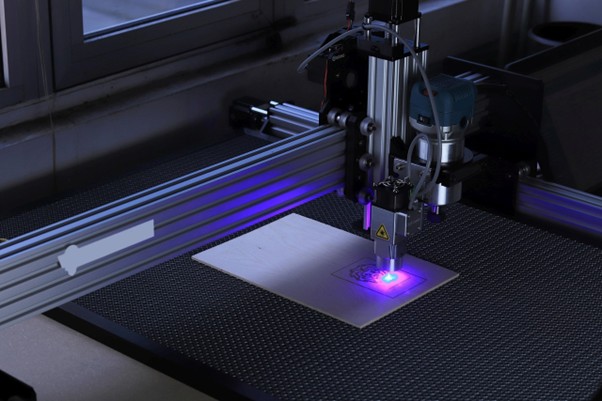
Precision cutting has changed how factories create parts for everything from cars to medical tools. Old methods often left rough edges or caused heat damage to sensitive materials. High-tech lasers now offer a way to cut through thick steel or thin fabric with the same level of accuracy.
Detailed manufacturing relies on tools that can follow complex digital patterns without error. Modern systems use light beams or high-pressure water to shape components. The result is a cleaner finish that requires less sanding or polishing once the primary cut is done.
The Growth Of Computer Controlled Cutting
Early industrial machines required constant manual adjustments to keep parts within a certain size range. Digital controls changed the game by allowing engineers to program exact coordinates into a computer system. Operators can now watch as a machine executes a perfect design every single time.
Productivity increases when human error is removed from the initial cutting phase. Skilled workers focus on supervising the machines rather than performing the repetitive physical labor themselves. Most modern shops run several automated stations at once to meet high production demands.
Reliability is a major factor for businesses looking to upgrade their current workshop capabilities. Newer models handle long hours of operation without losing the sharp focus needed for tiny parts. Investing in 1 of these systems helps a company stay competitive in a fast-paced market.
Precision Applications In Medical Aesthetics
Laser technology is not just for heavy steel plates or industrial plastic sheets. Doctors use specialized light beams to perform non-invasive treatments on human skin cells. Selecting a reliable co2 laser Brisbane or the one in your area allows practitioners to provide skin treatments with much higher accuracy. Modern tech makes aesthetic improvements possible for many people.
Precision in medical settings requires a beam that only hits the target area. High-quality sensors monitor the output to protect surrounding healthy tissue from accidental exposure. Patients benefit from shorter recovery times when the equipment performs exactly as intended.
Safety protocols are built into the software to prevent the machine from firing if a sensor is blocked. Technicians calibrate the power levels daily to match the specific needs of each individual patient. Clean results depend on both the skill of the user and the quality of the laser.
Technical Benefits Of CO2 Laser Systems
Gaseous lasers use a mixture of carbon dioxide and other elements to create a powerful cutting force. This specific wavelength works well on organic materials like wood, leather, and acrylic. Factories prefer this method because the beam is very stable over long cutting paths.
Power efficiency is a key reason why many shops choose a CO2 setup for their daily tasks. The systems convert electricity into light with very little waste compared to older bulb-based tech. Running costs stay lower when the equipment uses less power to achieve the same depth of cut.
Heat management is easier with a CO2 system because the beam is highly focused. Instead of heating up the whole part, the energy stays concentrated on a tiny point. Materials are less likely to warp or melt in areas where no cutting is supposed to happen.
Versatile Materials In Modern Production
Different materials react in unique ways when exposed to high-energy cutting tools. Metal reflects some light beams, while plastic might catch fire if the speed is too slow. Manufacturers must adjust the frequency and gas pressure for every new batch of raw goods.
- Stainless steel
- Aluminum alloys
- Acrylic and plexiglass
- Natural hardwoods
- Industrial ceramics
Finding the right balance of speed and power is a science for experienced machine operators. Thick wood requires a slower pass to ensure the beam makes it all the way through the grain. Thin plastic needs a fast movement to prevent the edges from charring or bubbling.
Specialty items often require custom settings that are saved in the machine memory for future use. A shop might cut tiny gaskets in the morning and large signs in the afternoon. Versatility allows a small business to take on a wide variety of client projects.
Efficiency Gains Through Advanced Software
Integration between design software and the cutting bed has removed several steps from the workflow. Engineers draw a part in a 3D program and send it directly to the laser controller. A report in a popular manufacturing publication explained that software-defined automation can slash changeover times by over 70 percent.
Moving away from manual setups allows a factory to switch between different parts in minutes. Software handles the layout of the shapes to get the most pieces out of a single sheet of material. Minimizing waste is a primary goal for any manager looking to save on raw material costs.
Updates to the control system happen over a standard network connection without stopping production. Diagnostic tools alert the team if a lens needs cleaning or if the gas levels are getting low. Staying ahead of maintenance keeps the machines running during the busiest times of the year.
Emerging Intelligence In Factory Settings
Artificial intelligence is moving from data centers to the actual machinery on the factory floor. These systems analyze the cutting path in real-time to adjust for vibrations or material flaws.
Industry researchers at a major professional services firm found that nearly 22 percent of producers aim to adopt physical AI within 2 years. Smart sensors can detect if a laser is losing focus due to heat buildup in the cutting head.
The computer makes a split-second correction to keep the cut within a tiny fraction of a millimeter. Constant monitoring prevents the creation of scrap parts that would otherwise cost the company money.
Predictive tools also help managers plan for the future by analyzing how often parts fail. Patterns in the data show when a specific component is likely to wear out based on its usage history. Replacing a $50 belt before it snaps saves thousands of dollars in lost production time.
Future factories will rely on clean energy and smart systems to produce goods with minimal environmental impact. Workers will shift toward roles that focus on programming and creative design rather than manual labor. Precision cutting remains the foundation for a more advanced and efficient industrial world.