
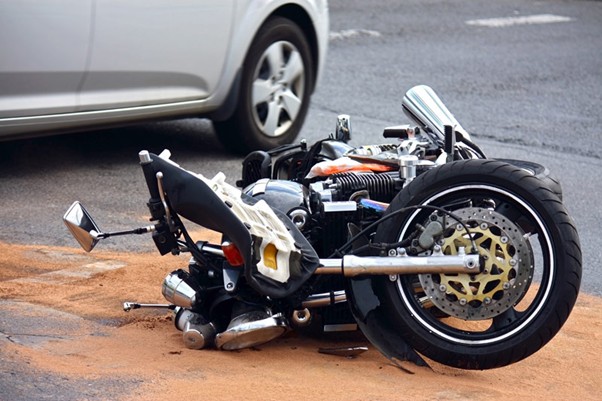
If someone has recently been through a traumatic road or motorcycle accident, they are much more prone to developing a painful condition called arthritis. While broken bones and cuts get immediate attention, damage inside the joints often goes unnoticed. This internal injury can lead to chronic pain, stiffness, and swelling years later. Many riders do not connect their past crash to their current joint issues. In this blog post, we will explain why these accidents increase arthritis risk.
Direct Trauma to the Articular Cartilage
When the person falls off a motorcycle, there are high chances of severe impact on the knees, hips, or shoulders. This force can damage the smooth tissue covering the bone ends inside the joint. This tissue is called cartilage.
Unlike skin or muscle, damaged cartilage does not heal properly because it lacks a good blood supply. Once injured, the joint surface becomes rough and uneven. Over time, this roughness wears down more tissue. This gradual process often leads to arthritis after a motorcycle accident, causing constant pain and stiffness that gets worse with movement.
Long-Term Effect of Fractures and Dislocations
After the accident, even though not immediately, broken bones can lead to long-term joint problems. When a bone breaks near a joint, the fracture often damages the smooth surface that allows bones to glide. Even with proper casting or surgery, that spot remains rough.
Over time, this rough edge scrapes against healthy tissue during daily movement. Dislocations cause similar issues by tearing blood vessels that feed the joint. Without steady blood flow, parts of the bone can die. This weakens the entire joint structure and makes wear-and-tear much faster, eventually resulting in post-traumatic arthritis.
Hidden Damage to Ligaments and Soft Tissues
During the accident, if you had experienced a soft blow, it can still harm the tissues that hold the joint together. These tissues, called ligaments, connect bones and keep the joint stable. A strong impact from a crash can stretch or tear them, even if no bones break.
When ligaments get damaged, the joints becomes loose. This looseness lets the bones move in ways they should not. They start to shift and rub against each other unevenly. This extra friction wears down the smooth surfaces inside the joint, leading to arthritis and ongoing pain.
Dealing with Post-Accident Inflammation
Having inflammation is very common after a motorcycle accident, but it is not always just normal healing. When the body responds to injured tissues, it sends special chemicals to the damaged area to clean up dead cells. While this process helps repair the body, those same chemicals can leak into the joint fluid.
Once inside the joint, they start to attack healthy cartilage. This weakens the tissue and makes it soft. Over the following months and years, that softened cartilage wears down much faster than normal. What seems like simple swelling after a crash can actually begin the process of permanent arthritis.
Delayed Onset of Post-Traumatic Arthritis
Once a certain period of time passes after the accident, there can be new pain in the joints. This confuses many people. They believe they healed completely because the fractures mended and the cuts closed. However, damage inside the joint does not cause pain right away.
It takes time for the uneven surfaces and weakened tissues to wear down enough for symptoms to appear. This process often takes two to five years or longer. The joint slowly gets worse without the person knowing. By the time stiffness and aching start, the damage is already done.
Conclusion
It is best to take proper rest and care after the motorcycle accident to avoid long-term joint issues. If you had an accident and now have ongoing joint pain, you should see a doctor. You may also need to speak with a legal professional. The cost of treating arthritis over a lifetime is high, and you deserve proper compensation for it.
Key Takeaways
- Cartilage lacks blood flow and does not heal after impact.
- Bone fractures near joints create rough surfaces that cause grinding.
- Torn ligaments make joints unstable, leading to uneven wear.
- Post-accident swelling releases chemicals that weaken cartilage.
- Arthritis symptoms often take years to appear after a crash.