
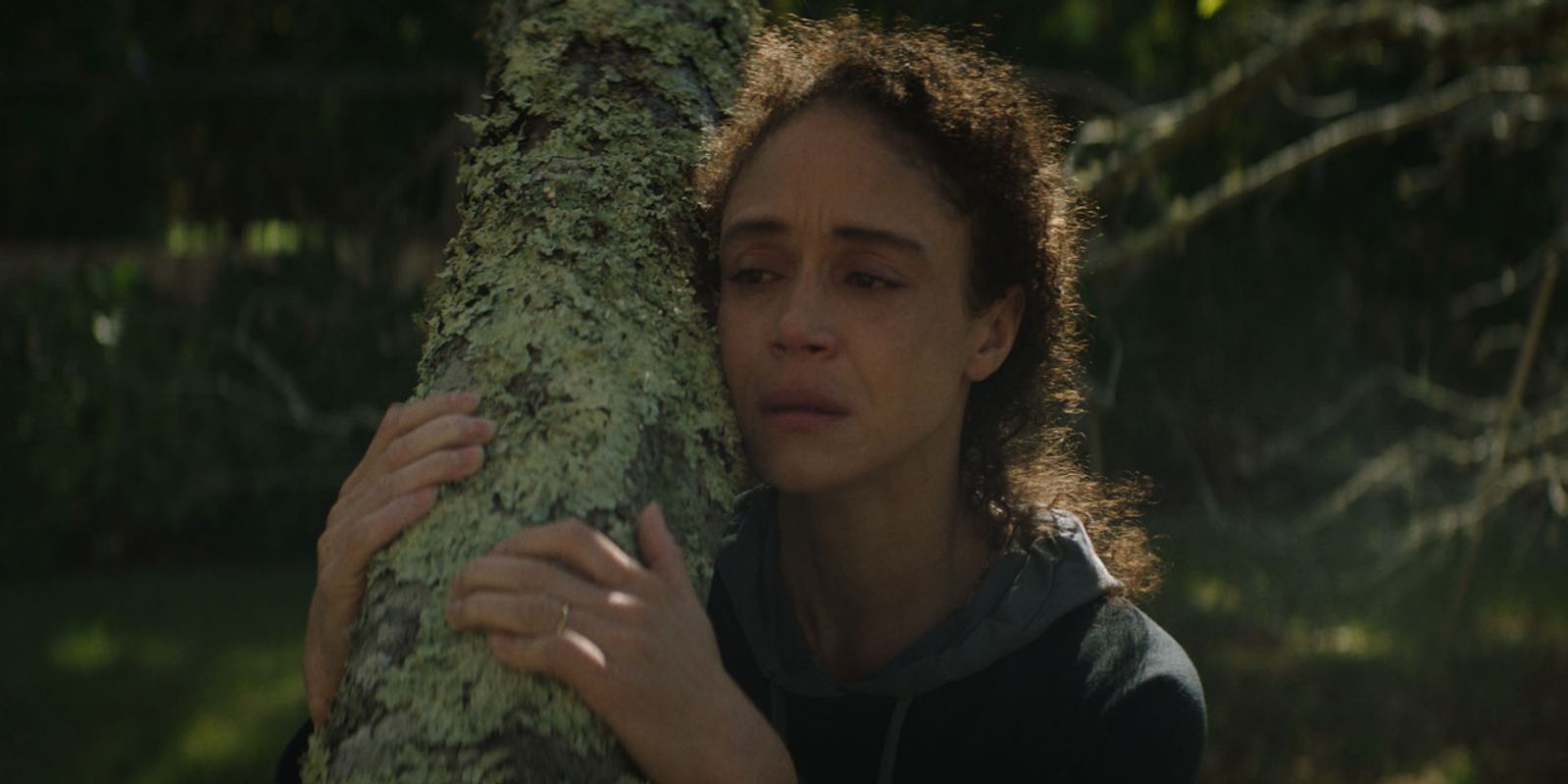
I’m pleased to share news about Heartworm, an emotionally powerful sci-fi drama that feels both timely and deeply personal, as it prepares to make its World Premiere at the 2026 Cinequest Film & Creativity Festival in San Jose. Running March 10 through March 22, 2026 in Silicon Valley, the film will screen at the Alamo Drafthouse Cinema in Mountain View on Saturday, March 14 at 2:30 PM and Tuesday, March 17 at 2:35 PM. Blending speculative technology with intimate storytelling, Heartworm explores grief, parenthood, and the fragile line between memory and resurrection, offering a cinematic experience that resonates far beyond traditional science fiction.
A Story of Loss, Memory, and Digital Resurrection
At the emotional center of Heartworm are Avena and Mark, parents struggling to survive the devastating loss of their child. Set in a near future shaped by immersive artificial intelligence, the couple turns to NeuraLife, a digital ecosystem indistinguishable from reality that uses advanced AI simulations capable of recreating memory, voice, and personality. What begins as an attempt to find comfort slowly evolves into something far more unsettling when a mysterious glitch awakens buried memories and forces the couple to confront unresolved truths. As Mark becomes increasingly drawn into the illusion of reunion, Avena faces the film’s most haunting question: when does remembrance stop healing and begin preventing acceptance?
A Story Timely to the AI Era
Premiering in Silicon Valley, the global center of technological innovation, Heartworm feels strikingly connected to today’s conversations surrounding artificial intelligence. As debates grow around digital replicas, artificial companions, and emotionally responsive technology, the film captures the tension between innovation and humanity. Rather than presenting technology as villain or miracle, the story examines how tools designed to comfort can unintentionally disrupt the natural process of grief. The film places viewers directly inside this emotional dilemma, asking audiences to reflect on how far society should go in recreating what has been lost.
Performances Grounded in Emotional Truth
Making her feature film debut, Tony Award nominee Amber Gray delivers a deeply vulnerable performance as Avena. Known for her acclaimed role as Persephone in Hadestown and soon to appear in the Broadway revival of The Rocky Horror Show, Gray brings emotional precision and intensity to a character navigating profound maternal loss. Opposite her, Juan Riedinger, recognized for his work in Narcos and Riverdale, portrays Mark with quiet restraint, capturing the fragile pull toward digital comfort with subtle complexity. Tony Award winner Lillias White adds commanding presence and emotional clarity to the ensemble, grounding the film with the depth and authority that have defined her celebrated career across Broadway, film, and television.
A Visionary Directorial Debut
Written and directed by award-winning NYU Tisch Asia alumni Miriam Louise Arens and Mitchell Arens, Heartworm marks a confident and emotionally sophisticated feature debut. Their previous narrative and experimental projects have earned international recognition for bold visual storytelling and performance-driven narratives, and this film continues that artistic evolution. Mitchell Arens’ cinematography becomes a defining element of the film, moving seamlessly between intimate domestic spaces and luminous artificial environments. Sunlit landscapes and shadowed interiors create a tactile realism, while immersive digital worlds shimmer with a beauty that feels both mesmerizing and unsettling.
A Cinematic Language of Memory and Emotion
The film’s visual and emotional tone evokes a lineage of poetic cinema, recalling the naturalism of Terrence Malick’s The Tree of Life, the haunting atmosphere of Philip Ridley’s The Reflecting Skin, and the dreamlike imagery of Bernard Rose’s Paperhouse. Yet Heartworm remains firmly contemporary, blending lyrical imagery with an immersive soundscape where organic ambience merges with subtle electronic resonance. This fusion of sound and image creates a sensory experience that mirrors the emotional confusion of memory itself, where reality and illusion begin to blur.
A Story Beyond Artificial Intelligence
Ultimately, Heartworm is not simply a film about technology. It is a meditation on love that refuses to fade, on parenting after unimaginable loss, and on the ethical questions that emerge when innovation offers the illusion of reunion. Set in the very region shaping the future of artificial intelligence, the film asks a question that feels both urgent and universal: if we gain the ability to recreate what we have lost, do we still remember how to let go?
For more info, visit here.