
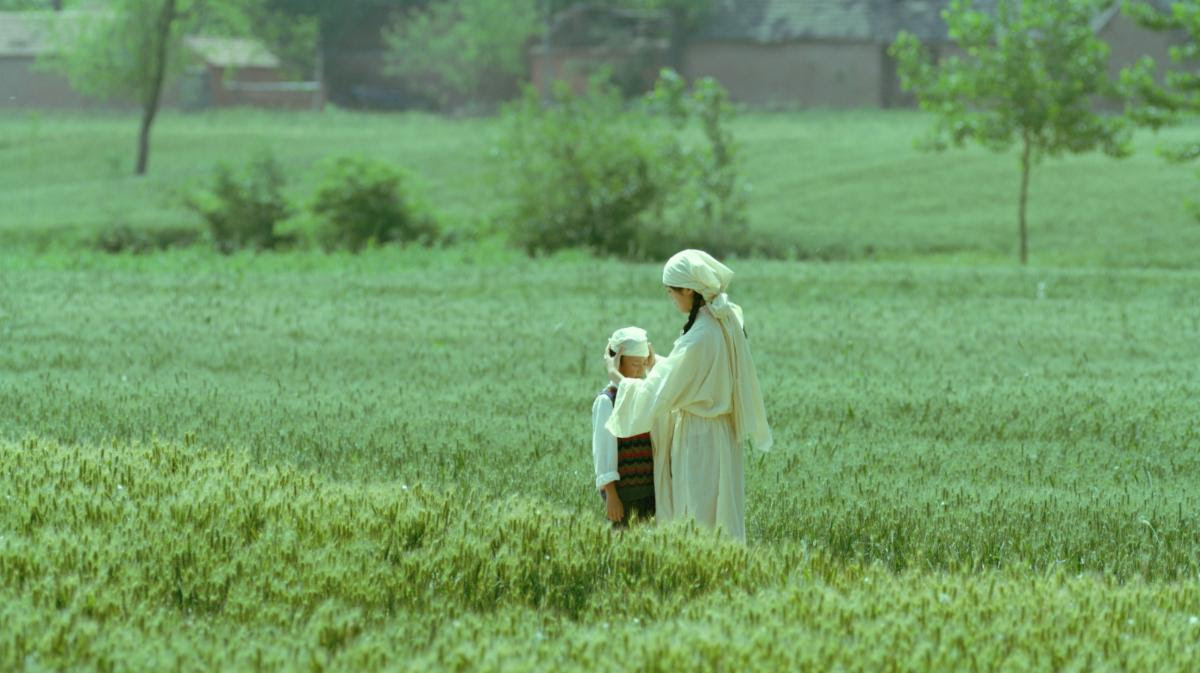
Released in theaters on April 3, 2026, and now available on digital, Living the Land, the Silver Bear–winning film from director Huo Meng, offers a deeply reflective coming-of-age story set against the shifting landscape of rural China. Widely praised by critics for its quiet emotional power and visual elegance, the film captures a moment of cultural transformation through the intimate rhythms of everyday life, revealing how personal stories unfold alongside sweeping social change. Rather than relying on dramatic spectacle, the film moves with patience and sensitivity, allowing audiences to experience the passage of time through seasons, relationships, and the enduring connection between people and the land they depend on.
A Childhood Shaped by Change and Belonging
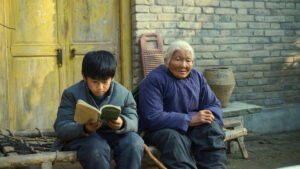
Set in the village of Bawangtai in 1991, the story follows ten-year-old Xu Chuang, whose life takes an unexpected turn when his parents and older siblings leave for the rapidly industrializing southern city of Shenzhen in search of work. Left behind with his wheat-farming relatives in Henan province, Chuang struggles to find his place within an extended family that cares for him yet never fully feels like home. As he adjusts to village life, he forms meaningful bonds with a young aunt facing pressure to marry and a resilient great-grandmother whose long life reflects generations shaped by hardship and endurance. Through these relationships, Chuang gradually learns the rhythms of rural existence, where each season brings both nourishment and challenge, and where belonging is discovered slowly rather than given.
A Portrait of a Disappearing Way of Life
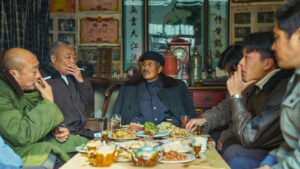
Huo Meng’s film unfolds during a pivotal period in China’s history, when economic reforms were transforming the country from an agrarian society into a rapidly industrializing global force. While cities evolve at unprecedented speed, life in Bawangtai remains tied to the soil, creating a powerful contrast between tradition and modernization. The film observes these changes with documentary-like realism, capturing small, interwoven moments that together form a larger meditation on community, migration, and cultural identity. Critics have praised the film’s naturalistic storytelling and painterly compositions, noting its ability to evoke the feeling of classic pastoral literature while remaining firmly grounded in contemporary experience.
Watch Official Trailer
A Director’s Vision Recognized on the Global Stage
Winner of the Silver Bear for Best Director at the 2025 Berlin International Film Festival, Living the Land marks Huo Meng’s accomplished second feature. The film has been widely celebrated for its confident pacing and emotional restraint, qualities that allow its themes to emerge organically. Critics from Variety, IndieWire, The Hollywood Reporter, Screen Daily, Deadline Hollywood, and The Film Verdict have highlighted the film’s poetic realism and compassionate portrayal of multi-generational family life, recognizing its ability to transform ordinary moments into something quietly profound.
Craftsmanship Rooted in Patience and Observation
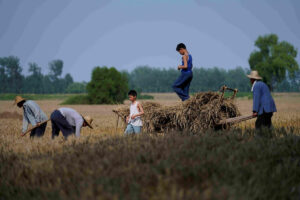
Cinematography by Guo Daming plays a central role in shaping the film’s atmosphere, capturing expansive landscapes and intimate interiors with equal care. The visual language mirrors the cycles of agricultural life, emphasizing repetition, change, and continuity. Performances by Wang Shang, Zhang Yanrong, and Zhang Chuwen feel understated and authentic, reinforcing the film’s observational tone. Produced by Zhang Fan, with co-producers Zhu Xi, Zhai Miaomiao, Liu Yi, and Li Xinran, and executive producers Xu Chunping and Yao Chen, the project reflects a collaborative effort dedicated to preserving emotional authenticity and cultural nuance.
A Story That Moves With the Seasons
Ultimately, Living the Land is both a coming-of-age story and a reflection on a society standing at the edge of transformation. Through the eyes of a child learning where he belongs, the film explores themes of family, migration, resilience, and the quiet passage of time. By allowing its story to unfold with patience and sincerity, the film invites audiences to slow down and observe life’s subtle changes, reminding viewers that even as the world evolves, the bonds between people, memory, and land continue to endure.
For more info, visit here.
She’s All Over the Place Podcast
Click on Instagram
About me here