
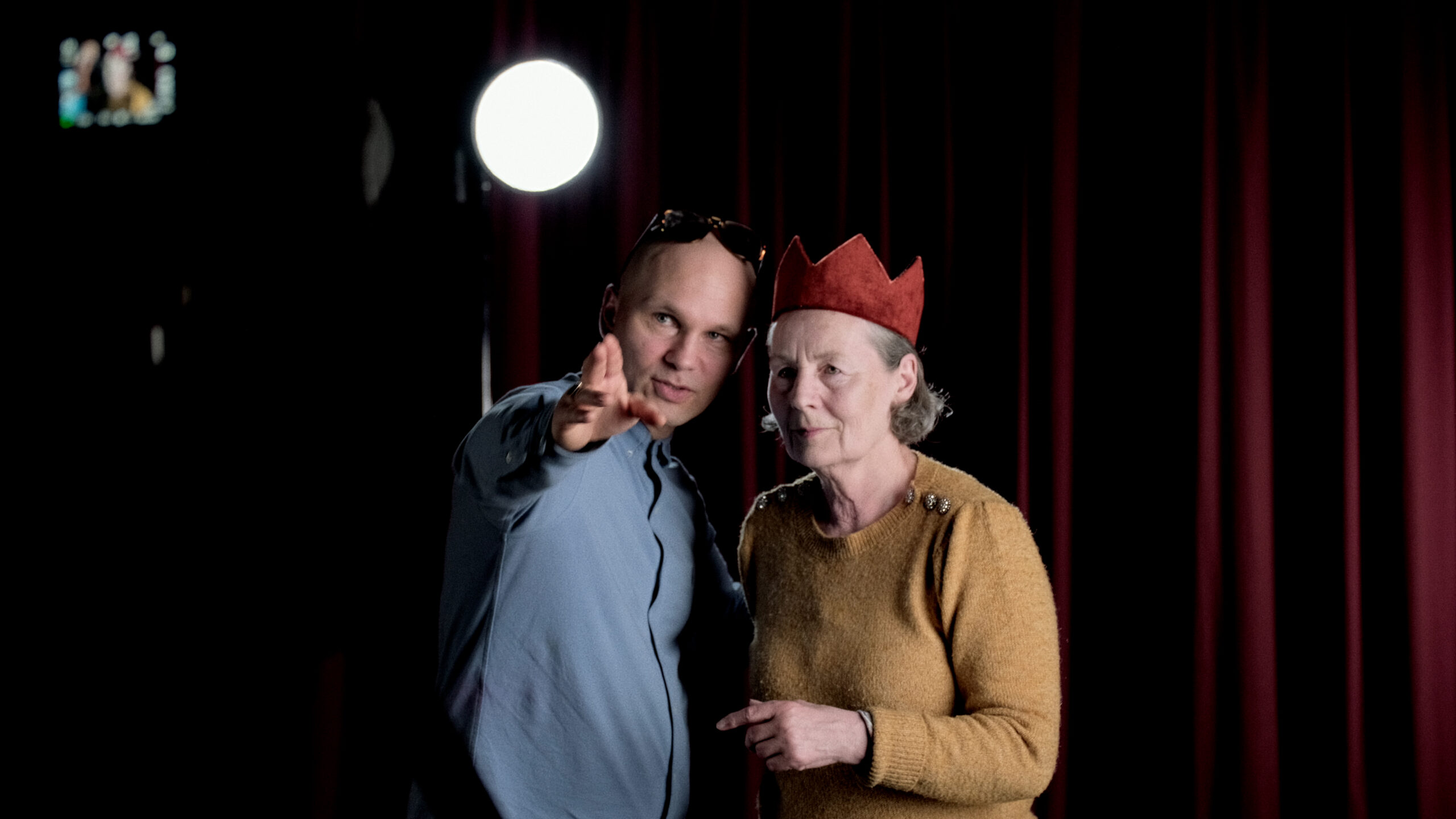
Set to make its World Premiere in competition at CPH:DOX 2026 under the NORDIC:DOX section, Birita is a deeply personal feature documentary that explores creativity, caregiving, and the enduring power of performance. Directed by Búi Dam and produced by Jón Hammer, Mark Steele, and Durita Sumberg, the 89-minute film invites audiences into the intimate world of a Faroese family of theater-makers attempting something both courageous and controversial: staging Shakespeare’s King Lear with a lead actress living with Alzheimer’s. Through this extraordinary artistic endeavor, the film becomes a reflection on memory, identity, and the emotional bonds that continue even as language begins to fade.
A Stage Set in the Faroe Islands
Filmed on the remote archipelago of the Faroe Islands, the documentary follows celebrated theater actress Birita Mohr as she returns to the stage under the guidance of her son, director Búi Dam. Although Alzheimer’s has taken away her ability to speak, Búi believes that her connection to performance remains alive, motivating him to cast her in the central role. As rehearsals unfold, questions naturally arise about the ethics and emotional weight of the project. While Búi works to defend his vision, his father, a retired theater director, navigates the delicate balance between supporting the production and caring for his wife’s well-being.
Finding Light Within Uncertainty
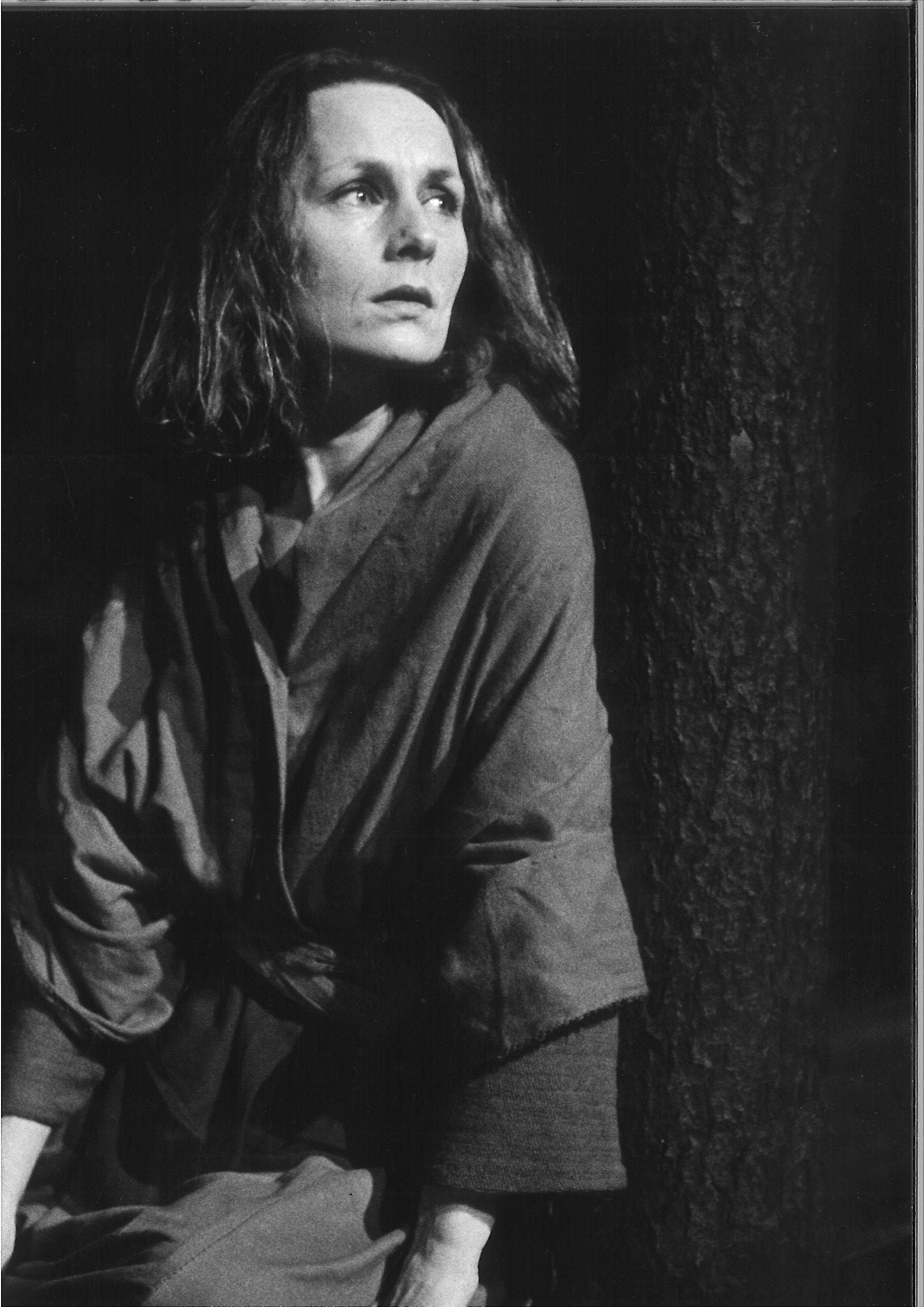
What emerges during the process is not simply a theatrical experiment but a shared family journey shaped by tenderness and resilience. Birita’s joyful presence brings unexpected warmth and humor to rehearsals, transforming moments of uncertainty into expressions of connection. The film captures how art can create space for communication beyond words, allowing performers and loved ones alike to rediscover meaning even as memory changes. Rather than focusing solely on loss, the documentary highlights the possibility of presence and emotional recognition that persists beneath illness.
The Artistic Path of Búi Dam
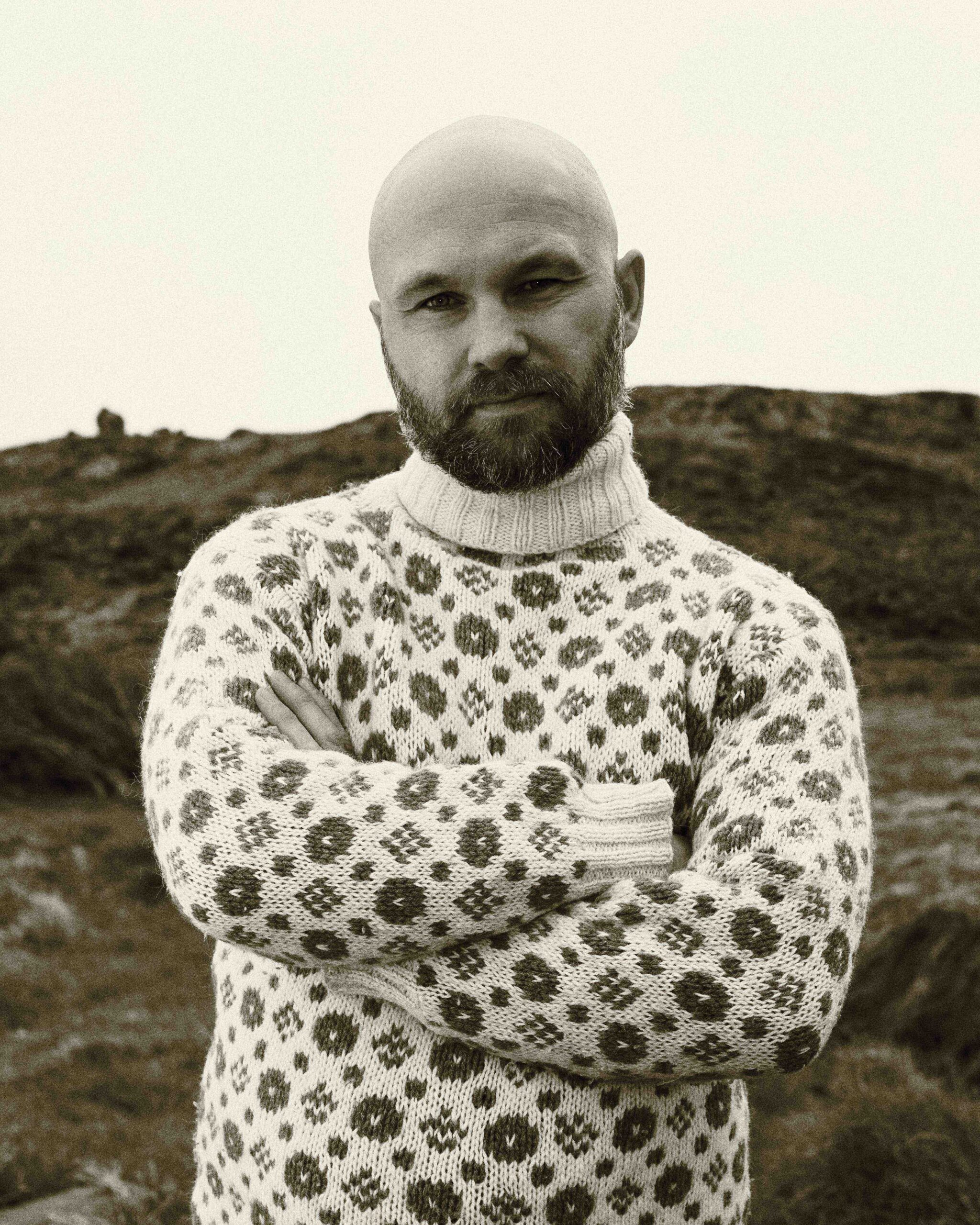
Director Búi Dam brings a multidisciplinary background to the project, shaped by a lifetime immersed in the arts. Raised in a family of artists in the Faroe Islands, he studied theater directing at the Danish National School of Performing Arts, acting at the London School of Dramatic Art, and music in Iceland. Before transitioning fully into theater and film, he built a career as a jazz guitarist and composer, touring internationally and collaborating with renowned Faroese singer Eivør. A hand injury ultimately redirected his creative path toward performance, writing, and directing. Working under the name BUDAM, he released studio albums and composed music for theater productions before expanding into filmmaking. Birita marks his first feature film, following award-winning work that includes Best Short Film at The Geytin Film Awards, Best Actor at the Winter Film Awards in New York, and the prestigious M. A. Jacobsen Award for his play Castle of Joy.
Honoring a Life in Theater
At the heart of the film stands Birita Mohr herself, a retired actress who shaped Faroese theater for more than three decades. Her career includes celebrated performances in productions such as Antigone, The Crucible, The Cherry Orchard, and The Vagina Monologues, along with film appearances in Atlantic Rhapsody and Bye Bye Bluebird, both directed by Katrin Ottarsdóttir. In recognition of her lifelong artistic contribution, she received the Faroese government’s Cultural Honorary Award in 2023. The documentary becomes not only a portrait of illness but also a tribute to an artist whose legacy continues to resonate through performance and family.
Screening Information at CPH:DOX 2026
Birita will screen during CPH:DOX 2026 on Sunday, March 15 at 16:15 at Dagmar 2, Tuesday, March 17 at 14:15 at Dagmar 5, and Wednesday, March 18 at 19:30 at Emmauskirken in Frederiksberg. Presented in Faroese and English with English subtitles, the film offers audiences an intimate cinematic experience that blends documentary observation with emotional storytelling.
A Reflection on Art Beyond Words
Ultimately, Birita becomes more than a film about theater or illness. It is a meditation on how creativity can endure even when memory falters, and how families find new ways to communicate through shared purpose. By documenting a production that exists somewhere between performance and farewell, the film gently asks whether art can preserve fragments of identity when language disappears, leaving audiences with a story that feels both profoundly personal and universally human.