
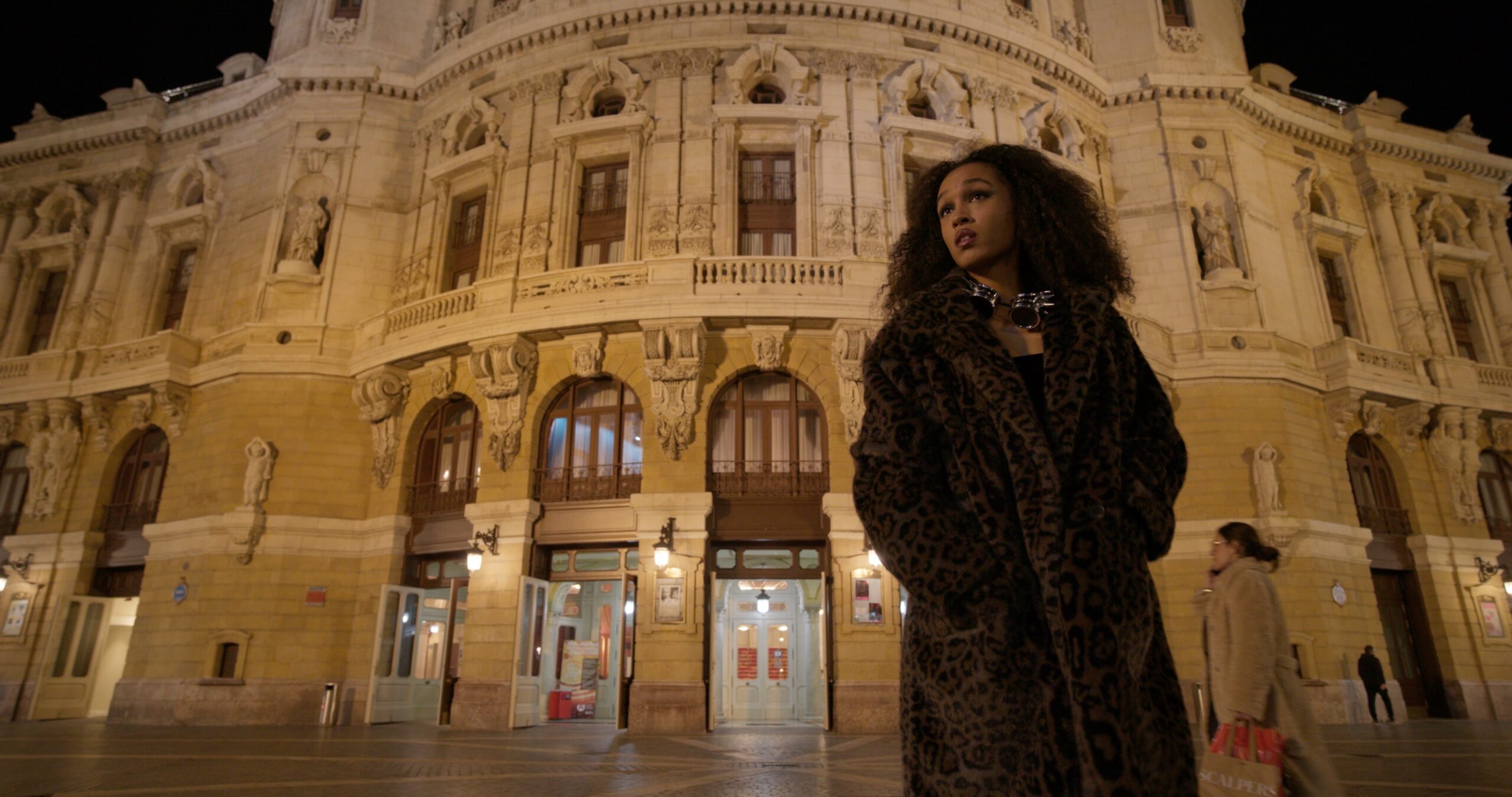
Making its North American Premiere in the Breakouts section of the Slamdance Film Festival, Santa Zeta arrives as a striking genre film that blends high-energy suspense with deeply personal themes. Written, directed, and edited by Antonio Muñoz de Mesa, the feature follows a protagonist whose carefully curated online identity hides a far darker mission. Streaming from February 24 through March 6 on the Slamdance Channel, the film invites audiences into a fast-moving narrative that examines trauma, justice, and the complicated relationship between visibility and power in the age of social media.
Official Trailer
A Double Life Behind the Screen
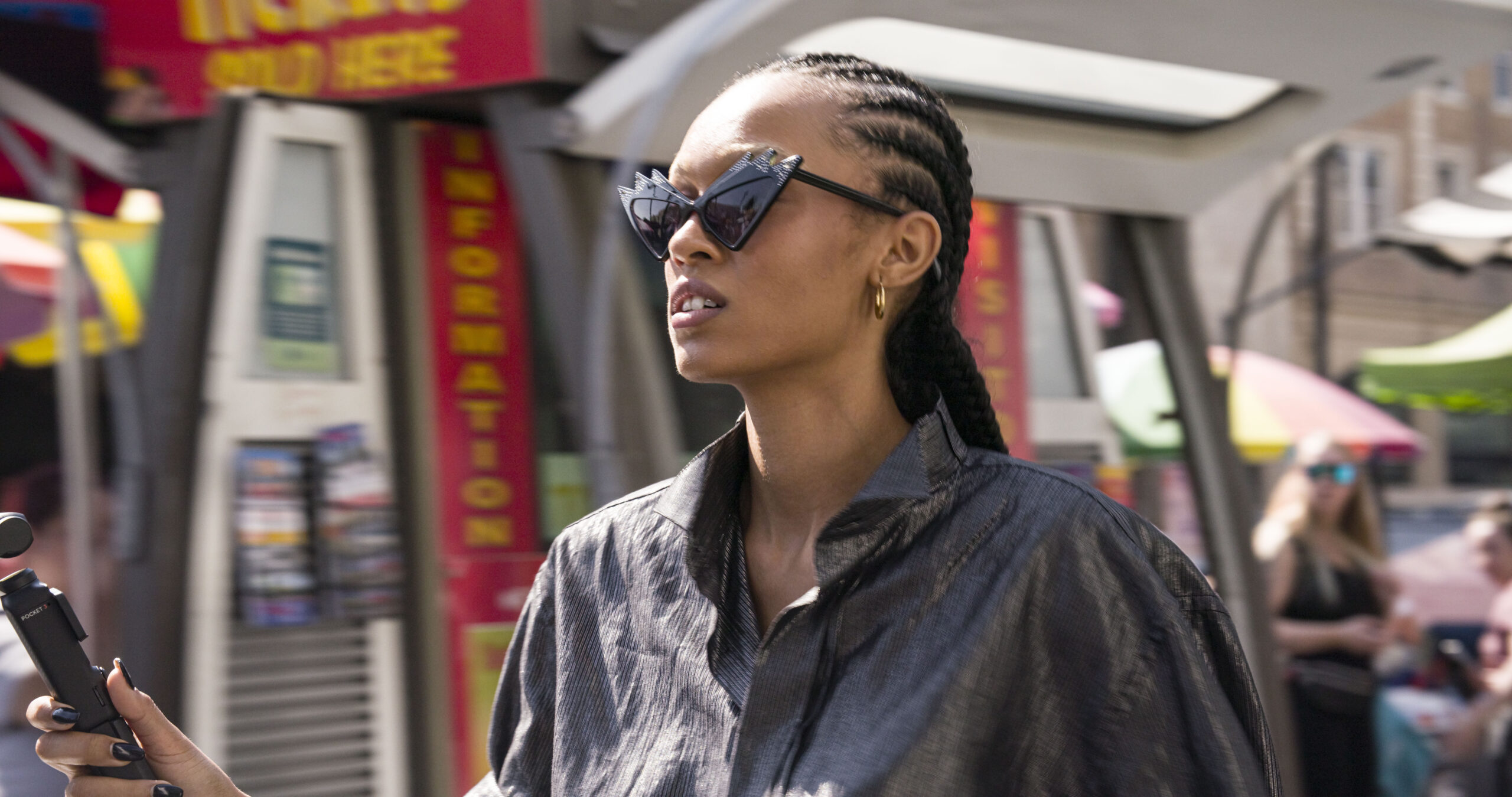
At the center of the story is Zoe, a globally recognized travel influencer whose vibrant online persona attracts millions of followers through her channel, “Santa Zeta.” While her audience sees adventure, freedom, and curated perfection, her life off-camera tells a different story. Driven by the unresolved murder of her younger sister, Zoe secretly uses her fame as cover to track and eliminate child predators. Her search unfolds across three continents, moving from the neon-lit streets of Seoul to Los Angeles and ultimately back to her hometown in Spain, where the investigation forces her to confront truths closer to home than she expected.
Genre as a Way to Confront Difficult Realities
Director Antonio Muñoz de Mesa describes the film as deeply personal, shaped by feelings of grief, anger, and helplessness in response to the realities of child abuse. Rather than approaching the subject through traditional drama, he embraces the structure of a revenge thriller, using action and suspense as a way to engage audiences without turning away from difficult themes. The film asks uncomfortable questions while maintaining relentless momentum, allowing genre storytelling to become a vehicle for exploring emotional pain and moral ambiguity.
Social Media as Both Language and Mirror
One of the film’s most distinctive elements is its visual and narrative approach, which draws heavily from the grammar of online platforms. Scenes unfold with a sense of immediacy, often resembling the fragmented intimacy of social media feeds. Zoe frequently breaks the fourth wall, turning viewers into participants rather than observers and blurring the boundary between performer and audience. Through this approach, Santa Zeta reflects on how influencers willingly expose personal lives to public consumption, raising questions about self-exploitation and the cost of constant visibility.
A Production Shaped by Movement and Risk
The filmmaking process itself mirrors the urgency of the story. Shot in just eighteen days across Seoul, Los Angeles, and Bilbao, the production embraced fast-paced logistics and ever-changing environments. Cinematography by Beatriz Pagés, Toni Cardenes, and Park Sang-Bin captures the contrasting emotional textures of each city, while music by Lola Barroso and sound design by Pablo Isola enhance the film’s restless energy. The result is a cinematic experience that feels unstable and kinetic, reflecting the psychological state of its protagonist.
Festival Recognition and Global Reach
Santa Zeta has already built momentum on the international festival circuit, earning official selections at festivals including Slamdance, the Seoul Whistler Film Festival, and the Australian Tamil International Film Festival. The film has received multiple awards, including Best International Fiction Feature at the South African Independent Film Festival, Audience Awards at Indie-Lincs, Best Editing at the Amsterdam New Cinema Film Festival, and Best Film and Best Actress honors at the Noida International Film Festival in India.
A Thriller About Survival Rather Than Revenge
Ultimately, Santa Zeta moves beyond the conventions of revenge cinema to explore survival and the lasting effects of trauma. Beneath its fast-paced action lies a reflection on how violence echoes when left unaddressed and how identity becomes complicated in a world driven by images and online personas. By combining genre storytelling with emotional introspection, the film challenges audiences to consider not only what they watch on their screens, but also the hidden stories that exist behind them.
For more info, visit here.
Stay tunned with me:
She’s All Over the Place Podcast
Click on Instagram
About me here