
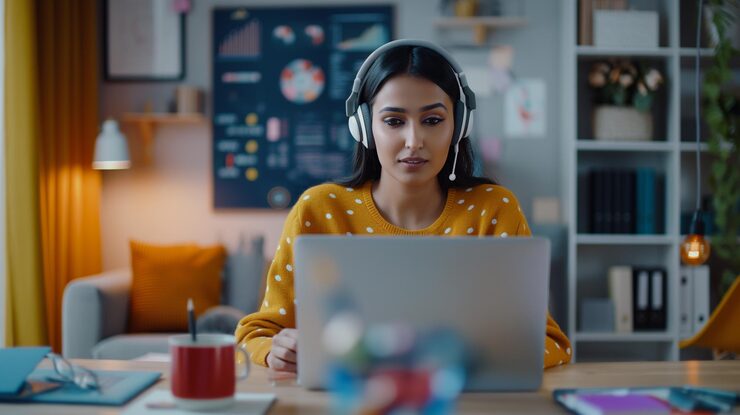
Remote proctoring test technology has revolutionized how educational institutions and certification bodies conduct examinations in the digital age. As online learning continues to grow, maintaining exam integrity while providing flexibility has become more important than ever before.
What Is A Remote Proctoring Test?
A remote proctoring test is an online examination method that uses technology to monitor test-takers during their assessments without requiring physical presence at a testing center. This innovative approach combines video surveillance, screen recording, and artificial intelligence to ensure academic integrity while allowing students to take exams from the comfort of their homes or any secure location.
The system works by capturing audio and video feeds from the test-taker’s device, monitoring their screen activity, and flagging any suspicious behavior for review. Proctors can watch multiple students simultaneously through live video feeds, or the system can use AI to automatically detect potential cheating attempts. This technology has become essential for universities, professional certification programs, and corporate training departments that need to maintain credibility while offering flexible testing options.
Remote proctoring has gained massive acceptance since 2020, with millions of students worldwide now taking their exams through these platforms. The technology continues to evolve, becoming more sophisticated and user-friendly with each passing year.
How Does A Remote Proctoring Test Work?
Understanding how a remote proctoring test functions can help reduce anxiety for first-time users and ensure a smoother examination experience. The process typically begins with identity verification, where students must present a valid ID to the camera before the exam starts. This step confirms that the registered student is the one actually taking the test.
Once identity is verified, the system performs an environment scan. Students must use their webcam to show their testing area, proving that no unauthorized materials, devices, or people are present in the room. The software then locks down the browser, preventing access to other websites, applications, or files during the exam session.
During the test, the online exam monitoring system continuously records video, audio, and screen activity. Advanced algorithms detect unusual behaviors like looking away from the screen frequently, multiple faces appearing in frame, or attempts to access forbidden resources. Any flagged incidents are reviewed by human proctors who determine whether academic misconduct occurred.
Why Is Remote Proctoring Test Important For Education?
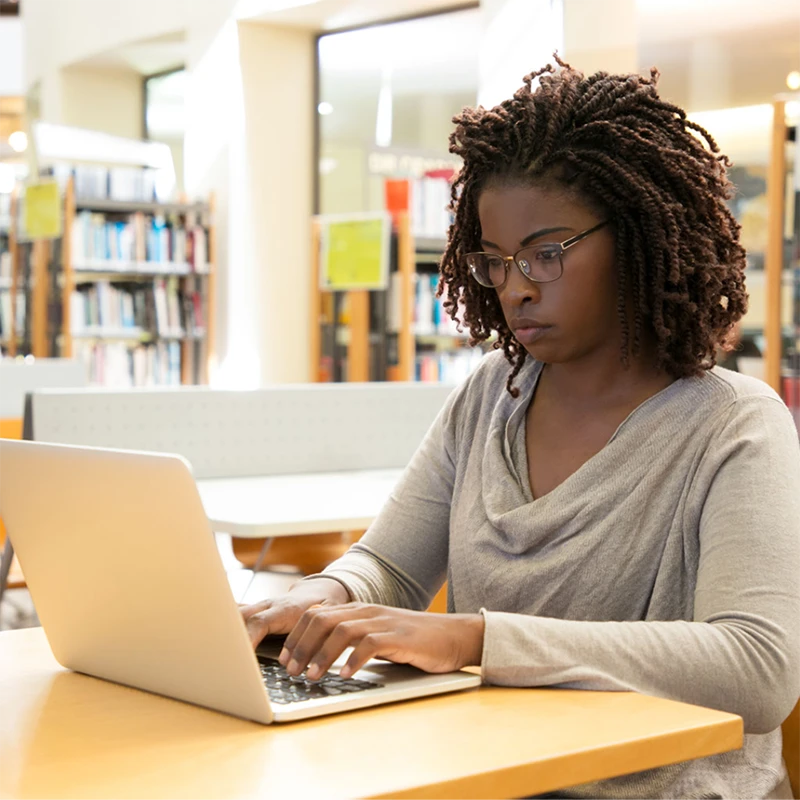
The importance of remote proctoring test solutions in modern education cannot be overstated. Traditional testing methods required students to travel to specific locations at scheduled times, creating barriers for those with work commitments, family responsibilities, or geographic limitations. Remote proctoring eliminates these obstacles while maintaining the same standards of academic integrity.
Educational institutions benefit from reduced administrative costs associated with physical testing centers. There’s no need to rent space, hire on-site proctors, or manage paper-based exam materials. Students gain the flexibility to take exams at times that work best for their schedules, often resulting in better performance due to reduced stress and familiar testing environments.
Furthermore, remote proctoring enables institutions to expand their reach globally. Universities can enroll international students without requiring them to travel for exams. Professional certification bodies can offer their credentials to candidates worldwide, increasing accessibility and diversity in various fields. This democratization of education and certification opportunities represents a significant step forward in making quality assessment available to everyone.
What Are The Benefits Of Remote Proctoring Test Systems?
Remote proctoring test systems offer numerous advantages for both institutions and test-takers that extend beyond simple convenience. For students, the ability to take exams in a comfortable, familiar environment can significantly reduce test anxiety. Being in your own space, using your own equipment, and following your own pre-exam routine can lead to better focus and improved performance.
Institutions benefit from enhanced scalability and flexibility. During peak testing periods, there’s no limit to how many students can take exams simultaneously, as long as the technical infrastructure supports it. Scheduling becomes much easier since there’s no need to coordinate physical room assignments or proctor availability. Exams can be offered at various times throughout the day or even across different time zones for global programs.
Cost savings represent another significant benefit. Physical testing centers require rent, utilities, staffing, and security measures. Remote proctoring eliminates most of these expenses while providing detailed analytics and reporting capabilities that paper-based testing simply cannot match. Results can be processed faster, and data can be easily stored and retrieved for accreditation or audit purposes.
How To Prepare For A Remote Proctoring Test?
Proper preparation is essential for success when taking a remote proctoring test. Start by checking your technical requirements well in advance of your exam date. Ensure your computer meets the minimum specifications, your internet connection is stable and fast enough, and your webcam and microphone are functioning properly. Most proctoring platforms offer system checks that you can run before your actual exam.
Create a suitable testing environment by choosing a quiet, well-lit room with minimal distractions. Clear your desk of all materials except what’s explicitly allowed for the exam. Inform family members or roommates about your testing schedule so they don’t interrupt you. Close all unnecessary applications on your computer and disable notifications that might pop up during your exam.
Arrive early for your exam session to complete the check-in process without rushing. Have your ID ready, and be prepared to follow all instructions from the proctoring system carefully. Read through any practice materials or tutorials the platform provides. Understanding the rules and procedures beforehand will help you feel more confident and focused when the actual exam begins.
Conclusion
Remote proctoring test technology has transformed online assessment, making it possible to maintain academic integrity while providing unprecedented flexibility for learners worldwide. As the technology continues to advance, we can expect even more sophisticated features that enhance both security and user experience. Whether you’re an educational institution looking to expand your programs or a student preparing for your next exam, understanding remote proctoring is essential in today’s digital learning landscape.