
Moving a large household is a massive project that requires months of preparation. You are not just packing boxes – you are moving an entire life from one place to another. Managing the logistics for a whole family adds layers of complexity that single movers do not face.
It involves coordinating schedules, school transfers, and heavy furniture transport. Taking a methodical approach helps keep the stress levels low for everyone involved. Planning early means you can focus on the excitement of your new beginning.
Organizing Your Belongings Before the Move
Start by looking at every item in your home to decide what truly needs to go with you. Moving companies often charge based on the total volume of your goods. A guide from ISS Relocations suggests that getting rid of clutter early helps you save on packing materials and overall transportation effort.
You can sell items online or donate them to local charities. This process makes the actual packing day much smoother and faster. It gives you a clean slate when you arrive at your new destination.
Reducing the number of items you own is the fastest way to lower your moving quote. If you have not used an item in a year, it likely does not need to cross an ocean. Focusing on what you need most keeps your move efficient.
Preparing for a Long Distance Shift
The logistics of a big move often involve coordinating several moving parts at once. Hiring experienced international movers to New Zealand can help manage the heavy lifting and complex paperwork. These professionals handle the packing and shipping so you can focus on your family.
You should book your services at least 3 months in advance. Early booking helps secure your preferred dates during busy moving seasons. It allows you to stay organized without rushing at the last minute.
Make a list of tasks that need to happen each week. Breaking down the big goal into small steps makes it feel manageable. Your family will appreciate having a clear plan to follow during the transition.
Understanding Shipping Timelines and Space
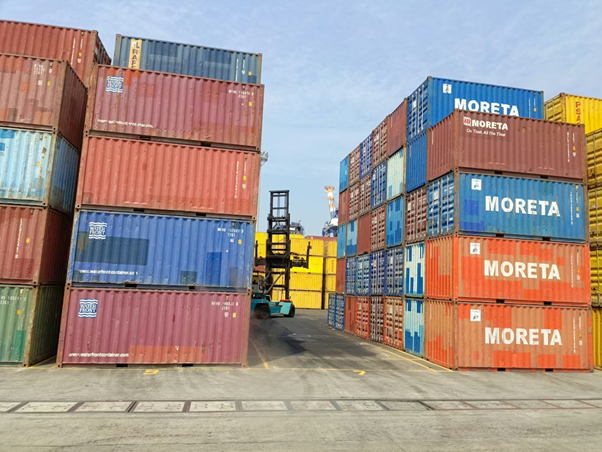
Most families choose ocean freight when they have a large number of items to transport. This method is the most cost-effective way to move high volumes of furniture and personal goods. A timeline provided by Bernardo Moving shows that transit times for ocean freight typically range between 4 and 8 weeks.
Managing your container space efficiently is a way to keep expenses down. Experts at Omega Cargo mentioned that increasing container utilization by just 10% can save thousands of dollars every year. Maximizing every inch of space prevents you from paying for empty air.
Consider these steps to keep your move on track:
- Create a detailed inventory of every room.
- Label boxes by room and priority level.
- Set aside a “first night” box for each family member.
- Keep key documents in a secure hand-carry bag.
- Notify banks and insurance providers of your change of address.
Navigating Customs and Legal Requirements
Every country has strict rules about what you can bring across its borders. Large households often have a mix of electronics, food items, and tools that might be restricted. A checklist from Asian Tigers Group advises checking customs guides for prohibited goods like certain foods or lithium batteries before you ship them.
This prevents delays and expensive fines when your container arrives. You must be honest on your customs forms to avoid legal trouble.
You should look at the financial side of moving to a new region well in advance, too. A report from Sirelo indicates that typical freight shipping costs for a full container can range between $2,000 and $6,000. These prices fluctuate based on fuel costs and global demand.
Managing Relocation Expenses Effectively
Rising costs are a major concern for anyone planning a large household transition. Staying within a budget requires careful monitoring of every line item in your plan. Research from AGS Relocation indicates that 68% of relocation programmes are currently focusing on reducing expenses.
You can apply these same principles to your personal move by comparing multiple quotes. Getting at least 3 estimates gives you a clear picture of the market rate.

Moving your family is a big step that opens doors to new experiences and memories. The process is long and requires a lot of hard work, but the result is worth the effort. A successful move relies on preparation and a positive attitude toward the changes ahead. Soon enough, you will be settled into your new house and enjoying the fresh start you worked so hard to create.