
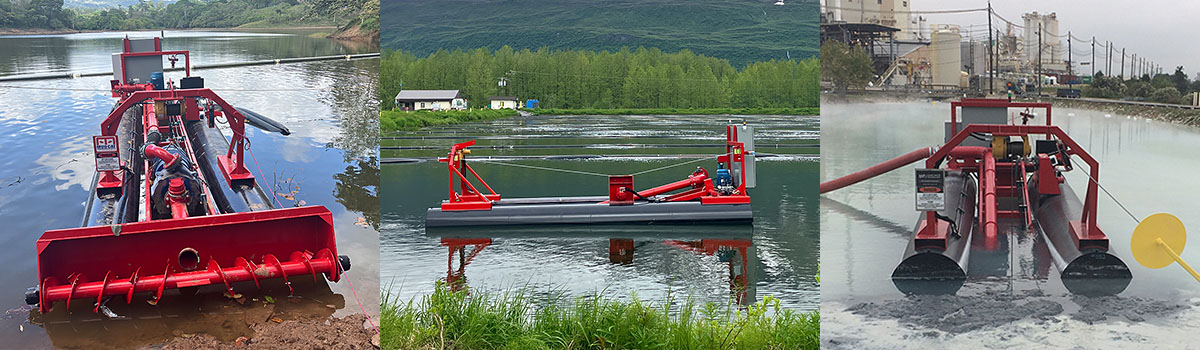
Maintaining industrial lagoons, municipal wastewater ponds, and private waterways requires a delicate balance of power and precision. Choosing an electric dredge offers a sustainable, quiet, and highly efficient solution for removing sediment without the logistical headaches of traditional fuel-powered machinery.
The Operational Advantages Of Investing In An Electric Dredge
When facility managers evaluate their options for sediment removal, the power source is often the most critical decision. An electric dredge provides a level of reliability that internal combustion engines simply cannot match in a stationary environment. Unlike diesel units that require constant refueling, oil changes, and air filter replacements, electric systems run on a steady stream of power from the local grid. This eliminates the risk of downtime caused by fuel shortages or engine mechanical failures. Because electric motors have fewer moving parts, they are naturally more resilient to the harsh, humid environments typically found around settling ponds and industrial basins.
Furthermore, the noise reduction provided by an electric motor is a massive benefit for projects located near residential areas or office complexes. Traditional dredging can be a loud, disruptive process that leads to noise complaints and restricted operating hours. With an electric system, the operation is remarkably quiet, often allowing for 24-hour productivity without disturbing the surrounding community. This silence also improves onsite safety, as workers can communicate more effectively without shouting over the roar of a diesel engine. By choosing electricity, you aren’t just buying a machine; you are investing in a more professional and harmonious job site.
Why Is An Electric Dredge Better For Environmental Compliance?
In today’s regulatory landscape, avoiding environmental contamination is a top priority for any industrial or municipal operation. Using an electric dredge virtually eliminates the most common environmental hazard associated with dredging: the fuel spill. Even a small leak from a diesel tank or a ruptured fuel line can lead to massive fines, expensive remediation efforts, and a damaged public reputation. Electric units operate without onboard fuel, meaning there is zero risk of petroleum products leaching into the water column. This makes them the “gold standard” for use in drinking water reservoirs, sensitive wildlife habitats, and wastewater treatment plants with strict discharge permits.
If your facility is looking to meet specific sustainability goals, you should consider implementing a high-quality to handle your routine maintenance. These machines produce zero localized emissions, helping your company reduce its overall carbon footprint. There are no exhaust fumes, which is particularly beneficial when dredging in semi-enclosed areas or near building air intakes where diesel smoke could become a health hazard. By moving away from fossil fuels, you are future-proofing your operations against tightening air quality regulations and demonstrating a clear commitment to “green” infrastructure management that stakeholders and community members will appreciate.
 How Does Automation Enhance Electric Dredging Efficiency?
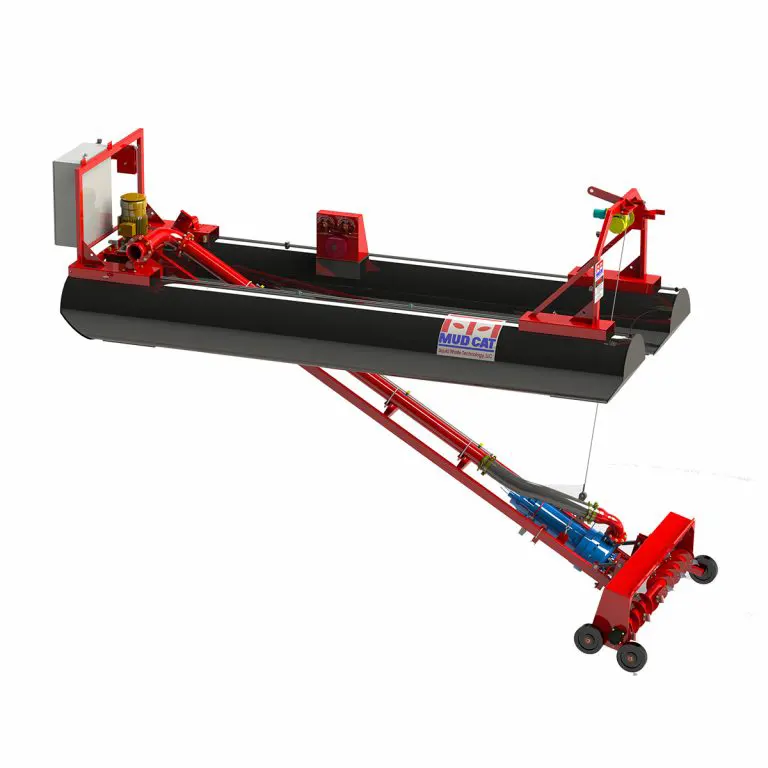 How Does Automation Enhance Electric Dredging Efficiency?
One of the most exciting developments in the world of electric dredging is the integration of advanced automation and remote-control technology. Because electric motors are easily integrated with electronic sensors and variable frequency drives (VFDs), these machines are much easier to automate than their hydraulic or diesel counterparts. An automated electric system can be programmed to travel along a specific path with surgical precision, ensuring that the entire bottom of a pond is cleaned evenly. This prevents “holidays” or missed spots that can occur when a human operator is manually steering a vessel for hours at a time.
Automation also allows the dredge to maintain a consistent slurry density. Sensors on the pump and auger can detect changes in material thickness and automatically adjust the travel speed or the depth of the cut. This ensures that the discharge pipe is always carrying the maximum amount of solids and the minimum amount of water. This efficiency ripples through the entire project; when you pump more solids and less water, your dewatering equipment—such as centrifuges or belt presses—runs more effectively, and your total project time is significantly reduced. You get more work done with less energy, which is the ultimate goal of any industrial process.
What Maintenance Is Required For Electric Dredging Equipment?
A common misconception is that high-tech electric machinery is difficult to maintain. In reality, the maintenance requirements for an electric dredge are significantly lower than those for a diesel unit. You no longer have to worry about changing oil, replacing fuel injectors, or fixing cooling system leaks. The primary maintenance tasks for an electric system involve inspecting the power umbilical cable for wear and ensuring that the electrical enclosures remain watertight. The “wet end” of the machine, including the pump impeller and the auger teeth, still requires routine inspection for abrasive wear, but these are standard tasks that any maintenance team can handle.
Because electric motors do not vibrate as violently as diesel engines, the structural components of the dredge—such as the pontoons and the frame—tend to last much longer. There is less fatigue on the welds and fasteners, which extends the overall service life of the equipment. Most modern electric units come equipped with onboard diagnostics that can be accessed via a tablet or laptop. This allows your team to see real-time data on motor temperature, amp draw, and voltage. Catching a minor electrical issue before it leads to a shutdown is much easier when you have digital insight into the machine’s performance, leading to a much lower total cost of ownership over twenty or thirty years.
How To Set Up Your Site For Electric Dredging?
Preparing a site for an electric dredge is a straightforward process, but it does require some initial planning regarding power access. Most industrial sites already have the necessary electrical infrastructure, but you may need a dedicated circuit or a portable transformer to provide the correct voltage to the pond’s edge. A floating power cable, often called an “umbilical,” connects the shore power to the dredge. This cable is specifically designed to be buoyant and durable, allowing the dredge to move freely across the water without the cable sinking or getting tangled in the auger.
In addition to power, you will need a travel system, which usually involves a cable-drive setup. A winch on the dredge pulls the machine back and forth along a stationary cable anchored to both sides of the pond. This “tram” system is incredibly efficient for rectangular lagoons and ensures the machine stays on a perfectly straight line. Once the power and cables are in place, the machine is virtually “plug and play.” The simplicity of the setup means that once the initial infrastructure is installed, subsequent dredging cycles become routine and predictable. This makes it easy to schedule “maintenance dredging” once or twice a year to keep your pond capacity at 100% without having to mobilize a massive construction crew.
What Are The Long-Term Cost Savings Of Electrification?
While the initial purchase price of an electric system can be comparable to diesel, the long-term savings are where the electric dredge truly shines. The most obvious saving is the cost of energy; electricity is almost always cheaper than diesel fuel when measured by the amount of work performed. When you add in the eliminated costs of fuel delivery, spill kits, and engine oil, the operational savings begin to mount rapidly. Many facilities find that the reduced maintenance labor and parts costs save them thousands of dollars annually.
There is also a hidden saving in the form of equipment longevity. It is not uncommon for an electric motor to last twice as long as a diesel engine in the same application. When a diesel engine reaches the end of its life, it usually requires a total replacement or a very expensive rebuild. In contrast, an electric motor can often be easily repaired or replaced at a fraction of the cost. When you combine the energy savings, the maintenance savings, and the extended equipment life, the return on investment (ROI) for an electric dredging system is one of the best in the heavy equipment industry.
Conclusion
The transition to electric power in the dredging industry is not just a trend—it is a logical evolution toward more efficient and responsible waterway management. By choosing an electric dredge, you are opting for a machine that is quieter, cleaner, and significantly cheaper to operate over its lifetime. Whether you are managing municipal wastewater or industrial process water, the precision and reliability of an electric system will help you stay ahead of sediment buildup while protecting your bottom line.