
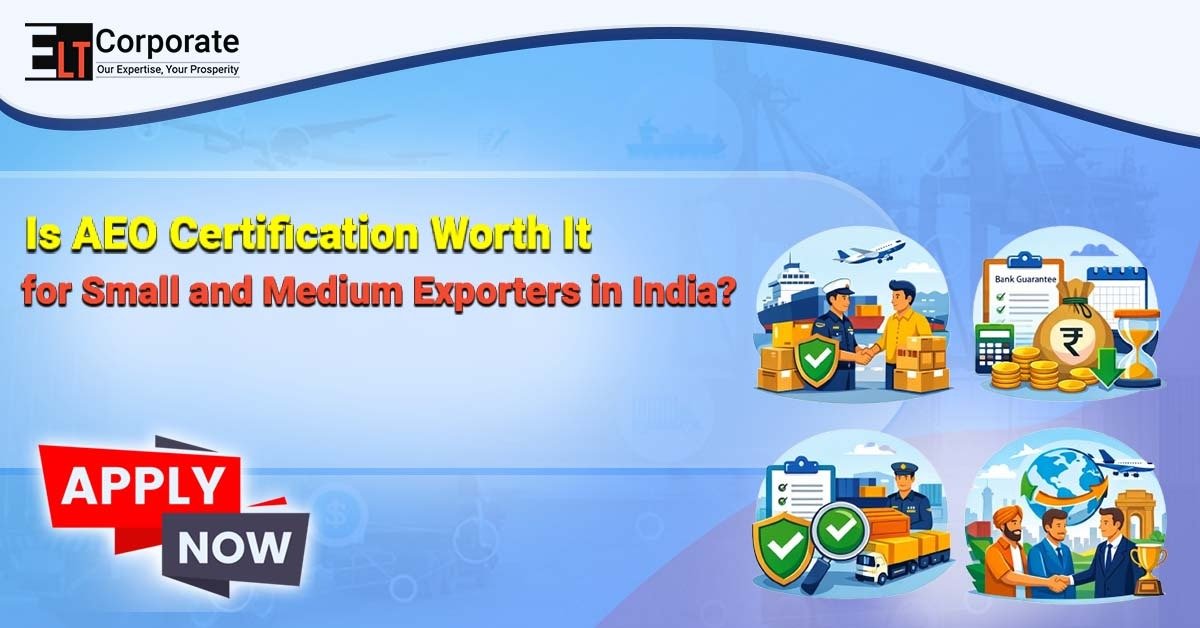
International trade continues to grow more complex, with security requirements and customs regulations becoming increasingly stringent. For businesses involved in importing and exporting, obtaining AEO certification has become a valuable credential that streamlines customs processes and enhances supply chain security. This comprehensive guide explains everything you need to know about Authorized Economic Operator status and how it can benefit your business.
What Is AEO Certification?
AEO certification stands for Authorized Economic Operator certification, a globally recognized standard that identifies businesses as safe and secure trading partners. This certification is issued by customs authorities and indicates that a company meets specific security and compliance standards throughout its supply chain operations. The program was developed under the World Customs Organization’s SAFE Framework of Standards to facilitate legitimate trade while enhancing security measures.
Companies holding AEO status enjoy various benefits including reduced customs inspections, priority processing at borders, and mutual recognition agreements between participating countries. The certification applies to various supply chain participants including manufacturers, exporters, freight forwarders, warehouse operators, and importers. By achieving AEO certification, businesses demonstrate their commitment to maintaining secure supply chains and complying with international trade regulations, making them preferred partners for customs authorities worldwide.
Why Should Your Business Pursue AEO Certification?
The advantages of obtaining AEO certification extend far beyond simple regulatory compliance. Businesses with AEO status experience significantly fewer customs delays, which translates directly into cost savings and improved customer satisfaction. When your shipments face fewer inspections and receive priority processing, you can maintain tighter delivery schedules and reduce inventory holding costs associated with border delays.
AEO certification also enhances your reputation as a reliable trading partner. Many large corporations and government agencies prefer working with AEO-certified suppliers because it reduces their own compliance risks. This competitive advantage can open doors to new business opportunities and contracts that might otherwise be unavailable. Additionally, the certification process itself helps identify and strengthen weak points in your supply chain security, leading to overall operational improvements. The investment in certification often pays for itself through reduced delays, lower inspection costs, and enhanced business relationships within the first year or two of operation.
What Are the Requirements for AEO Certification?
Achieving AEO certification requires meeting several key criteria that demonstrate your business operates securely and compliantly. First and foremost, you must have a clean compliance history with customs authorities, meaning no serious or repeated customs violations in recent years. This track record shows regulators that your business takes its obligations seriously.
Financial solvency is another critical requirement. Customs authorities need assurance that your business is financially stable and unlikely to engage in fraudulent activities due to financial pressure. You’ll need to provide financial statements and possibly undergo credit checks during the application process. Security standards form the core of AEO requirements, covering physical security of facilities, access controls, cargo handling procedures, and personnel screening protocols. Your business must also demonstrate competent management of customs-related activities, which may require staff training records and documented procedures. Finally, maintaining accurate record-keeping systems that allow customs authorities to trace shipments and verify compliance is essential for certification approval.
How Does the AEO Certification Process Work?
The AEO certification process typically begins with a thorough self-assessment of your current operations against the required standards. Many businesses find it helpful to conduct a gap analysis identifying areas where improvements are needed before formally applying. This preparation phase can take several weeks or months depending on your starting point and the complexity of your supply chain operations.
Once you’re ready, submit your application to the relevant customs authority along with required documentation including security protocols, organizational charts, compliance procedures, and financial records. Customs authorities will review your application and schedule an on-site audit to verify that your documented procedures match actual practices. During this audit, officials will inspect facilities, interview staff, and examine records to ensure compliance with all requirements. The entire process from application to certification typically takes three to six months, though this varies by country and the complexity of your operations. After approval, you’ll receive your AEO certificate and must maintain compliance through ongoing monitoring and periodic reassessments to keep your certified status active.
What Benefits Does AEO Certification Provide?
The benefits of AEO certification accumulate across multiple aspects of your international trade operations. Perhaps most significantly, certified businesses experience dramatically reduced customs inspection rates. While non-certified shipments might face random inspections ranging from 5-15% depending on the country, AEO shipments often see inspection rates below 2%, dramatically reducing delays and associated costs.
Faster clearance times represent another major advantage. AEO-certified shipments typically move through customs in hours rather than days, enabling just-in-time inventory management and reducing warehousing expenses. Many countries offer additional benefits like deferred duty payments, reduced security deposits, and access to dedicated AEO processing lanes at major ports. The certification also facilitates trade under mutual recognition agreements, meaning your AEO status in one country may provide benefits when trading with partner nations. Perhaps most valuably, AEO certification provides predictability in your supply chain, allowing better planning and customer service by reducing uncertainty around border crossing times.
Where Can You Learn More About AEO Certification?
Businesses interested in pursuing AEO certification have several resources available to guide them through the process. Customs authorities in most countries provide detailed guidance documents, application forms, and contact information for AEO program specialists who can answer specific questions. Industry associations and trade organizations often offer training programs and networking opportunities with already-certified businesses willing to share their experiences.
For comprehensive guidance on AEO certification requirements, application procedures, and maintenance of certified status, specialized resources provide detailed information tailored to different industries and regions. These platforms offer step-by-step guidance, template documents, and expert advice that can significantly streamline your certification journey. Whether you’re just beginning to explore AEO status or ready to submit your application, having access to authoritative information makes the process more manageable and increases your chances of successful certification on the first attempt.
Conclusion
AEO certification represents a valuable investment for any business serious about international trade. The combination of reduced delays, lower costs, enhanced reputation, and improved supply chain security makes certification worthwhile for companies of various sizes and industries. While the application process requires effort and documentation, the long-term benefits far outweigh the initial investment. As global trade security requirements continue evolving, AEO status positions your business as a trusted, compliant partner in the international marketplace. Start exploring your certification options today and unlock the advantages that Authorized Economic Operator status can bring to your import and export operations.