
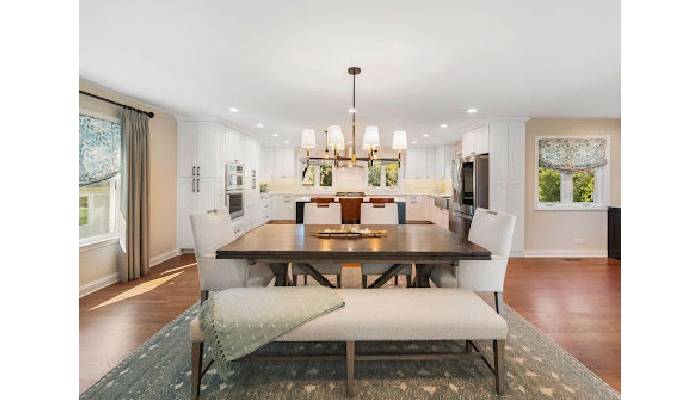
Building a home in the Sunshine State offers a unique opportunity to blend personal style with the specific demands of a tropical climate. From coastal resilience to seamless indoor-outdoor living, the right architectural approach ensures your residence is both a sanctuary and a sound investment.
Why Florida Custom Home Designs Are Trending?
The landscape of residential architecture in the Southeast has shifted toward more personalized, high-performance structures that reflect individual lifestyles. Florida custom home designs are gaining massive popularity because they allow homeowners to move away from the “cookie-cutter” look of suburban developments. In a state known for its diverse geography—ranging from the white sands of the Gulf Coast to the lush greenery of Central Florida—a custom approach ensures that the house sits perfectly on its specific lot. This means maximizing views of the water or preserving ancient oak trees that provide natural shade. Furthermore, a custom design allows for the integration of modern luxuries like home theaters, expansive wine cellars, and specialized hobby rooms that standard floor plans simply do not offer.
Beyond aesthetics, these designs prioritize the unique environmental factors of the region. High humidity, intense solar heat, and the occasional hurricane require a level of engineering that goes beyond basic building codes. Custom homes often incorporate advanced insulation techniques, high-efficiency cooling systems, and strategic window placements to reduce energy costs. By focusing on a “site-specific” design, architects can harness natural cross-breezes, significantly improving the comfort of the home during the sweltering summer months. This intersection of beauty and brawn is why more people are choosing to build from the ground up rather than renovating existing older properties.
How To Start Planning Your Florida Custom Home Designs?
The first step in any successful building project is defining your vision and understanding the constraints of your land. When researching Florida custom home designs, it is vital to consider how you intend to use the space daily. Are you an avid entertainer who needs a massive chef’s kitchen and a grand lanai? Or are you a remote professional looking for a quiet, light-filled office tucked away from the main living areas? Planning early for these specific needs prevents costly changes during the construction phase. You must also account for local zoning laws and setbacks, which can vary significantly between coastal municipalities and inland counties. A clear understanding of your budget and your “must-have” list will help your design team create a blueprint that balances luxury with fiscal reality.
Finding the right partner to translate these ideas into reality is perhaps the most important decision you will make. If you are looking for a firm that understands the complexities of the local building environment, you should seek out to guide you through the process. Professional architects bring a wealth of knowledge regarding material durability and structural integrity, ensuring that your home is not just beautiful on paper but also built to withstand the elements for decades. From the initial concept sketches to the final structural engineering, having a dedicated professional by your side ensures that every square foot of your new residence is optimized for both form and function.
What Materials Work Best For Coastal Custom Homes?
Material selection is a critical component of custom home design in a tropical environment. Traditional wood framing is often replaced or reinforced with concrete masonry units (CMU) or insulated concrete forms (ICF) to provide superior strength against high winds and pests like termites. On the exterior, high-quality stucco, fiber-cement siding, and natural stone accents are popular choices because they resist the corrosive effects of salt air and intense UV radiation. For roofing, clay or concrete tiles offer a classic Mediterranean look and excellent thermal mass, while standing-seam metal roofs are highly prized for their longevity and modern aesthetic.
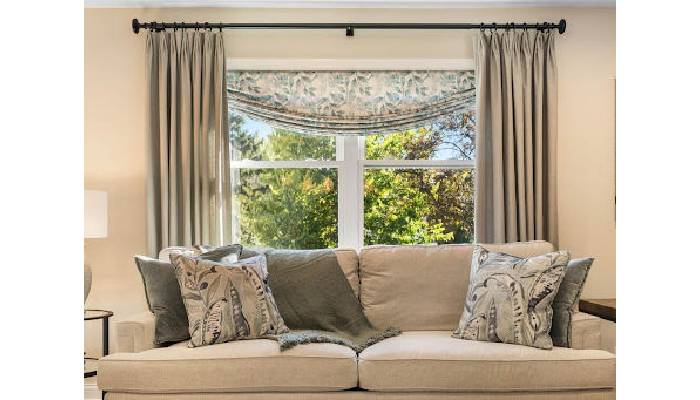
On the interior, the focus remains on durability and cooling. Large-format porcelain tiles or natural stone floors are preferred because they stay cool underfoot and are incredibly easy to clean after a day at the beach. When it comes to windows and doors, impact-rated glass is an absolute necessity in many parts of the state. This specialized glass eliminates the need for unsightly hurricane shutters while providing incredible soundproofing and UV protection for your furniture and artwork. By investing in these premium materials during the custom build process, you are essentially “future-proofing” your home against both the weather and rising insurance costs.
Why Is Indoor Outdoor Flow Essential In Tropical Designs?
The “Florida lifestyle” is defined by the seamless transition between the interior of the home and the natural beauty outside. Modern custom designs often feature “disappearing” glass walls or large pocketing sliders that effectively merge the great room with the pool deck or lanai. This creates a massive entertaining space that feels airy and expansive. A well-designed outdoor area often includes a full summer kitchen, a fireplace or fire pit for cooler winter evenings, and integrated motorized screens to keep insects at bay. This focus on the “outdoor room” effectively increases the usable square footage of the home without the high cost of climate-controlled construction.
To enhance this flow, architects often use consistent flooring materials that run from the inside to the outside, creating a unified visual plane. Strategic landscaping, such as privacy hedges of Areca palms or clumping bamboo, can create “outdoor hallways” that lead to secluded garden nooks or outdoor showers. Lighting also plays a huge role; low-voltage LED systems can illuminate palm trees and pathways, making the backyard feel like an extension of the living room well after the sun goes down. This commitment to outdoor living is what turns a house into a true tropical retreat.
How To Incorporate Sustainability Into Your Custom Home?
Green building practices are no longer just an option; they are a fundamental part of high-end residential design. Incorporating solar panels, rainwater harvesting systems, and greywater recycling can drastically reduce the environmental footprint of a large custom home. Many homeowners are now opting for “smart home” automation that controls lighting, irrigation, and HVAC systems based on occupancy and weather patterns. This technology ensures that energy is never wasted, keeping utility bills low even in a large estate. Additionally, using locally sourced materials reduces the carbon cost of transportation and ensures that the home feels connected to its geographic roots.
Another aspect of sustainability is the use of “passive” design techniques. This includes designing deep roof overhangs to shade windows from the midday sun and placing windows to encourage natural ventilation. Choosing low-VOC (volatile organic compound) paints and sustainable flooring options like bamboo or reclaimed wood ensures that the indoor air quality remains high. By combining these traditional design principles with cutting-edge green technology, a custom home can be both a luxury showcase and a model of environmental responsibility.
Final Thoughts
In conclusion, embarking on a journey to create a custom residence is one of the most rewarding experiences a homeowner can have. By focusing on resilient materials, thoughtful layouts, and a deep connection to the outdoors, you can build a property that perfectly captures the spirit of the subtropics. Florida offers a unique canvas for architectural expression, and with the right planning, your custom home will provide a lifetime of comfort, safety, and pride. Whether you envision a sleek modern masterpiece or a timeless Mediterranean villa, the key to success lies in the details of the design.