
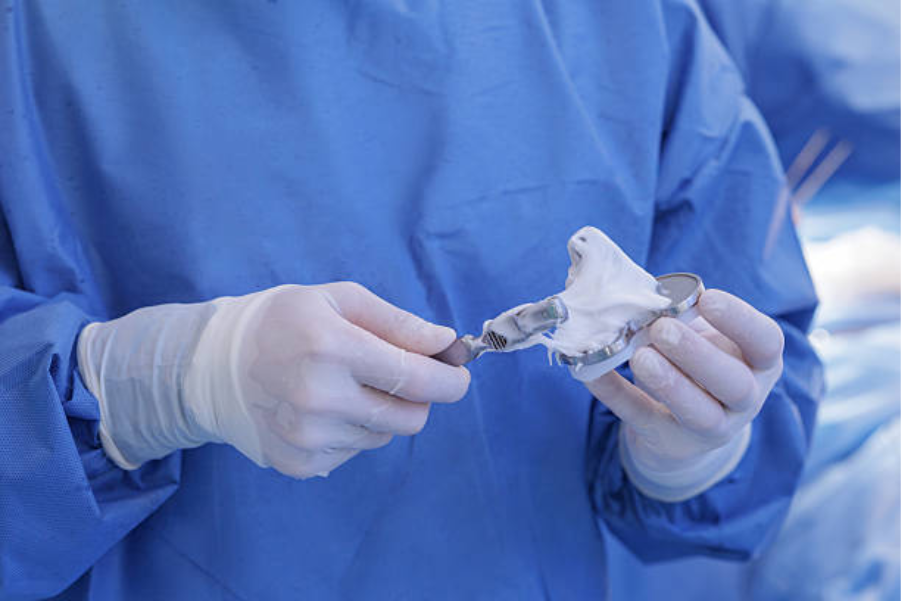
3D printed implant surgical guide technology has transformed the way dental professionals approach implant placement procedures. These custom-made guides are created using advanced digital imaging and 3D printing technology to ensure precise, accurate implant placement every time. The result is improved patient outcomes, reduced surgery time, and enhanced predictability for complex dental procedures.
The process begins with detailed CBCT scans and digital impressions of the patient’s mouth. This data is then used to create a virtual treatment plan that maps out the exact position, angle, and depth for each implant. The surgical guide is then 3D printed to fit perfectly over the patient’s teeth or gums, providing a physical template that guides the drill during surgery.
Why Choose 3D Printed Implant Surgical Guide for Your Practice?
Choosing 3D printed implant surgical guide systems offers numerous advantages for both dental professionals and patients. The precision achieved with these guides significantly reduces the risk of complications during surgery. Nerve damage, sinus perforation, and improper implant angulation become much less likely when using a carefully planned and manufactured surgical guide.
For dental practices looking to implement this technology, explore 3D surgery implant guides that provide comprehensive solutions for modern dentistry. Patient recovery times are often shorter because the minimally invasive approach causes less trauma to surrounding tissues. Additionally, the ability to place implants flaplessly in many cases means less bleeding, swelling, and post-operative discomfort for patients.
 What Are the Benefits of Using Surgical Guides in Implant Dentistry?
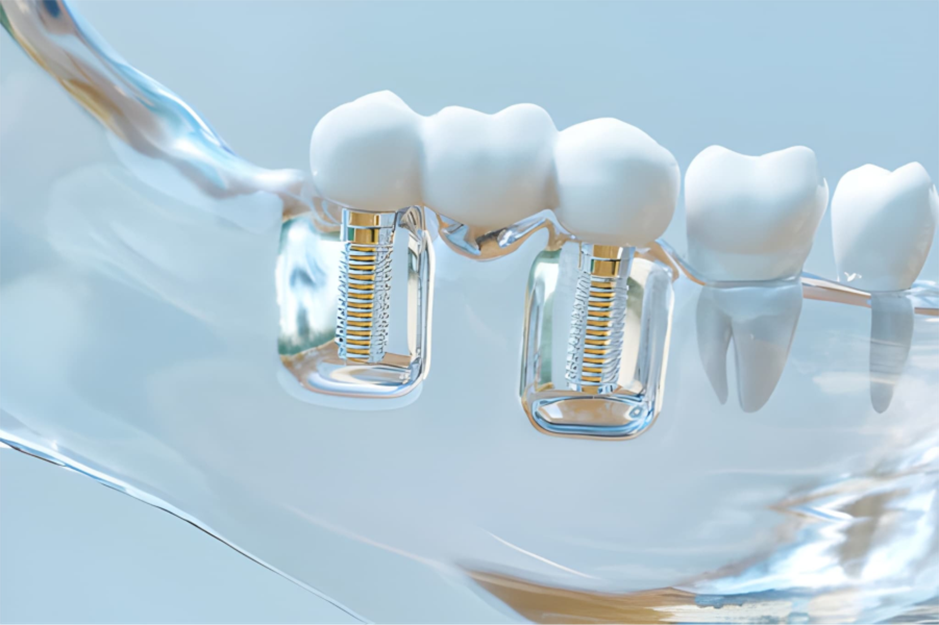 What Are the Benefits of Using Surgical Guides in Implant Dentistry?
The benefits of using surgical guides in implant dentistry extend far beyond improved accuracy. One of the most significant advantages is the ability to plan the entire procedure before the patient ever enters the operatory. This pre-surgical planning allows dentists to identify potential complications and adjust their approach accordingly, reducing unexpected challenges during the actual procedure.
Patient communication also improves dramatically when using 3D printed guides. You can show patients their virtual treatment plan, explaining exactly where implants will be placed and why. This visual representation helps patients understand the procedure better and feel more confident about moving forward with treatment. For dental laboratories and practices, the technology streamlines workflow and reduces the need for adjustments or corrections after surgery.
How Are 3D Printed Surgical Guides Created?
The creation of 3D printed surgical guides involves several sophisticated steps that combine digital imaging with advanced manufacturing. First, the dentist captures detailed CBCT scans of the patient’s jawbone and surrounding anatomical structures. These scans provide crucial information about bone density, nerve locations, and sinus positions that influence implant placement decisions.
Next, digital impressions or intraoral scans are taken to create an accurate model of the patient’s teeth and gums. Both datasets are then merged in specialized planning software where the dentist or surgeon maps out the ideal implant positions. Once the virtual plan is finalized, the surgical guide design is sent to a 3D printer that creates the physical guide using biocompatible, sterilizable materials ready for surgical use.
What Types of Procedures Benefit From Surgical Guides?
Many different types of dental implant procedures benefit significantly from the use of 3D printed surgical guides. Single tooth replacements are perhaps the most common application, where precision ensures the implant crown will align perfectly with adjacent teeth. Multiple implant cases also benefit greatly, as the guide ensures all implants are placed with proper spacing and angulation for the final restoration.
Full arch rehabilitation cases, such as All-on-4 or All-on-6 procedures, rely heavily on surgical guides for success. These complex cases require precise implant placement to support an entire arch of teeth, and even small deviations can compromise the final result. Bone grafting procedures can also be guided, ensuring graft material is placed exactly where needed for optimal bone regeneration and implant stability.
How Much Do 3D Printed Surgical Guides Cost?
The cost of 3D printed surgical guides varies depending on several factors including the complexity of the case, the number of implants being placed, and whether the guide is produced in-house or through an external laboratory. Single guide prices typically range from 200 to 500 dollars per arch when ordered through commercial laboratories. Some providers offer package pricing for multiple guides or ongoing production agreements.
Practices that invest in their own 3D printing equipment face higher upfront costs but can produce guides at a lower per-unit cost over time. The initial investment in a quality dental 3D printer, software, and materials can range from 10,000 to 30,000 dollars or more. However, many practices find the investment pays for itself within the first year through improved efficiency, reduced surgical time, and the ability to offer premium guided surgery services to patients.
Conclusion
3D printed implant surgical guide technology represents the future of precision implant dentistry, offering benefits that improve outcomes for both practitioners and patients. The combination of digital planning, custom fabrication, and surgical accuracy makes these guides an invaluable tool for modern dental practices. Consider incorporating guided surgery into your practice to enhance your implant services and provide patients with the highest standard of care available today.