
We’ve reached a point where a “relaxing” bubble bath just isn’t enough to offset a day of back-to-back Zooms and Slack notifications. The US wellness market is currently obsessed with “nervous system regulation,” and for good reason. Our bodies weren’t designed for this much digital noise.
The shift is moving away from passive pampering toward active biohacking—using clinical-grade tools at home to manually flip the switch from high-alert to deep recovery. If you’re looking to upgrade your wind-down routine, these five developments are worth the counter space.
Vagus Nerve Haptics
The vagus nerve is essentially the “off switch” for your body’s stress response. While deep breathing helps, new haptic wearables speed up the process. These devices sit on your chest and emit low-frequency vibrations that mimic the soothing resonance of a heavy purr or a steady heartbeat. It’s a shortcut to lowering your heart rate without having to spend an hour in silent meditation.
Neuro-Adaptive Optics
Biohacking is getting a visual makeover. We’re seeing a rise in smart eyewear that monitors brain activity (EEG) through discreet sensors in the frame. Instead of checking a stressful app for data, the lenses themselves change tint based on your mental state. If your brain starts looping on a deadline, the tint shifts to nudge you back into a flow state. It’s real-time biofeedback that doesn’t require you to look at a screen.
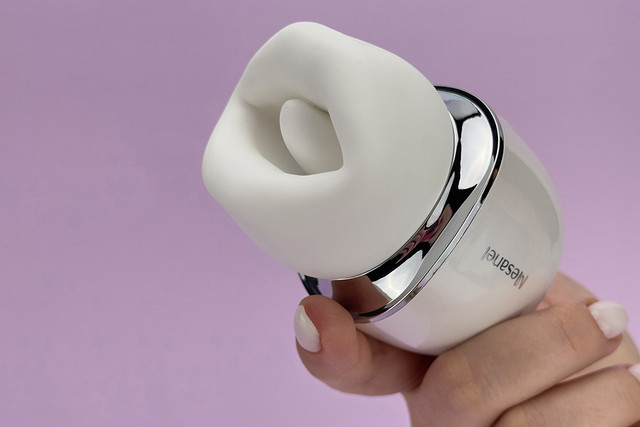
Holistic Intimate Wellness Tools
Biohacking isn’t just about sleep and diet; it’s about acknowledging every aspect of your body’s relaxation network. Modern self-care has moved toward “Intimate Wellness,” treating sexual health as a vital pillar of the nervous system. The goal here is “somatic release”—using physical sensations to drop the body out of a state of high anxiety.
In this space, ergonomic devices like tongue vibrators are being recognized for their role in personal recovery. While originally designed for intimate stimulation, their value in a biohacking context lies in their ability to facilitate deep physiological relaxation.
- Targeted Somatic Release: These tools use high-precision vibration to engage delicate neural pathways, triggering a release of endorphins and oxytocin—the body’s natural “feel-good” chemicals that stabilize mood.
- Sensory Re-focusing: By focusing on intense, localized sensations, you can effectively “ground” yourself during periods of high mental stress, pulling your awareness away from ruminating thoughts and back into your body.
- Nervous System Regulation: Integrating intimate wellness into your routine helps maintain a healthy baseline for your pelvic floor and autonomic nervous system, ensuring that your body stays as resilient as your mind.
Spectral Lighting Systems
Most “smart bulbs” just change color, but the new wave of circadian lighting focuses on the actual light spectrum. These systems pull the “stimulating” blue light out of your environment as the sun goes down, replacing it with the specific amber frequencies our ancestors lived by. It’s the difference between feeling “tired but wired” and actually feeling a natural wave of sleepiness at 10:00 PM.
Tactical Breathwork Trainers
Breathwork is the most accessible biohack we have, but it’s easy to do wrong when you’re stressed. Handheld haptic trainers provide a physical “pulse” for you to follow. Why this beats a phone app:
- Zero Distractions: You can keep your eyes closed and your phone in the other room.
- Physical Pacing: You feel the breath rhythm in your palms, making it easier to sync your heart rate.
- Biometric Tracking: Most of these now track your skin temperature and sweat response to tell you exactly when you’ve hit a state of physiological calm.
The Bottom Line
Biohacking isn’t about adding more “to-dos” to your list; it’s about using tech to do the heavy lifting for your recovery. When your environment and your gadgets are working together to regulate your biology, “wellness” stops being a chore and starts being your default state.