

Mental health care has evolved rapidly in recent years, and technology has played a major role in making therapy more accessible. Today, people can connect with licensed therapists from the comfort of their homes through secure online platforms. Online mental health therapy is helping individuals receive timely support without the barriers of distance, busy schedules, or stigma.
Understanding Online Mental Health Therapy
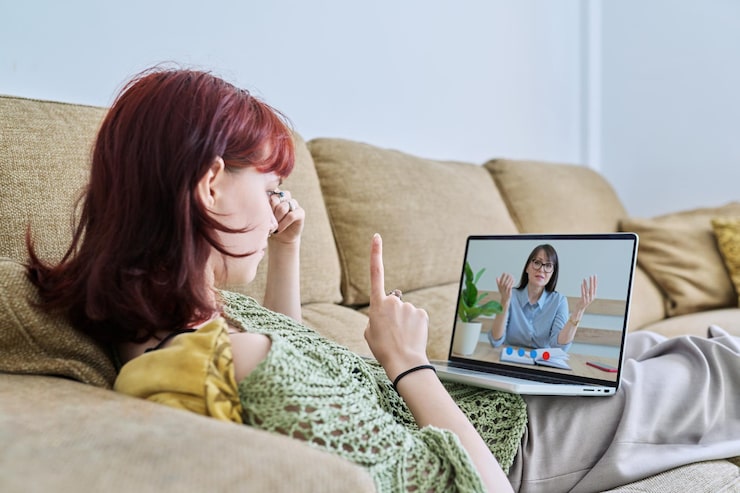
Online mental health therapy refers to counseling or psychological support provided through digital platforms such as video calls, phone sessions, chat messaging, or secure online portals. It allows individuals to communicate with licensed therapists without needing to visit a clinic in person.
This form of therapy has grown significantly in popularity because it fits easily into modern lifestyles. Many people struggle to find time for traditional therapy appointments due to work, family responsibilities, or transportation issues. With online therapy, sessions can be scheduled more flexibly, making it easier to maintain consistent mental health care.
Online therapy can address a wide range of mental health concerns, including anxiety, depression, stress, trauma, relationship issues, and more. Therapists use many of the same techniques they would in face-to-face sessions, such as cognitive behavioral therapy, mindfulness practices, and talk therapy. The only difference is that communication happens through digital tools rather than physical meetings.
Benefits Of Online Mental Health Therapy
Online mental health therapy offers several benefits that make it appealing for many individuals seeking support. One of the biggest advantages is convenience. Instead of commuting to an office, clients can attend sessions from home, work, or any private space with an internet connection.
Another important benefit is increased access to care. People living in rural areas or regions with limited mental health professionals may struggle to find qualified therapists nearby. Online therapy removes this barrier by allowing individuals to connect with professionals from different locations.
What Conditions Can Be Treated Through Online Therapy?
Online therapy is effective for a wide variety of mental health challenges. Many therapists specialize in treating conditions such as anxiety disorders, depression, stress-related issues, and emotional burnout. These are some of the most common reasons people seek online therapy.
People experiencing major life transitions can also benefit from digital counseling. Situations such as job changes, relationship struggles, grief, or relocation can create emotional strain. Online therapy provides a safe space to process these experiences and develop healthy coping strategies.
How Online Mental Health Therapy Works?
Online mental health therapy typically begins with an intake or assessment process. During this step, the therapist gathers information about the client’s mental health history, current concerns, and therapy goals. This helps the therapist create a personalized treatment approach.
Sessions are usually conducted through secure video conferencing platforms designed specifically for healthcare communication. Some platforms also allow messaging or phone-based sessions for individuals who prefer those options.
A typical session lasts around 45 to 60 minutes. During this time, the therapist and client discuss current challenges, emotional responses, and practical strategies for improvement. Therapists may provide exercises, coping tools, or mindfulness techniques that clients can practice between sessions.
Privacy and confidentiality are essential components of online therapy. Reputable platforms use encrypted communication systems to protect client information and ensure secure interactions between therapists and clients.
Why Online Therapy Is Becoming More Popular?
The demand for online mental health therapy has increased dramatically in recent years, especially as people recognize the importance of mental wellness. Technology has made it easier than ever to access professional support without the traditional limitations of location or scheduling.
Another reason for its growing popularity is the reduction of stigma. Many individuals hesitate to visit a mental health clinic due to fear of judgment or social pressure. Online therapy offers a more discreet way to seek help, which encourages more people to prioritize their mental health.
Flexibility also plays a major role. Busy professionals, students, parents, and caregivers can schedule sessions during times that fit their daily routines. Evening and weekend appointments are often available, making therapy more practical for people with demanding schedules.
How To Choose The Right Online Therapist?
Finding the right therapist is one of the most important steps in starting online therapy. A strong therapeutic relationship is key to achieving positive mental health outcomes.
Start by looking for licensed professionals who specialize in the specific issues you want to address. Therapists often list their areas of expertise, such as anxiety, trauma, family therapy, or addiction counseling.
It’s also important to consider communication style and comfort level. Some therapists offer initial consultations, which allow potential clients to ask questions and determine whether the therapist feels like a good fit.
Reading reviews or testimonials can also provide insight into a therapist’s approach and effectiveness. Additionally, checking credentials ensures the therapist meets professional standards and licensing requirements.
Conclusion
Online mental health therapy has transformed the way people access emotional support and professional counseling. By removing many traditional barriers such as distance, scheduling conflicts, and stigma, digital therapy makes mental health care more accessible than ever.