
Advertising has not been this pacey in the past. New platforms are being added annually, patterns are changing in a few days, and brands are always fighting over attention. Think about it for a moment. A decade ago, companies were able to create a couple of advertisements and use them weeks. Today? Marketers are producing dozens of advertisement variations in order to experiment with what works.
How do brands keep up with this rate then?
The solution is even more obvious: artificial intelligence. Creatives generated by AIs are changing the way campaigns are designed and tested and optimized. Marketers can now develop numerous ad concepts in minutes instead of taking hours to create them manually.
It sounds futuristic, right? However, the thing is that this future has already arrived.
Why Brands are turning to AI to create advert?
The production of the advertising creatives has never been fast. Designers are required to create layouts, test colors, cropping of images, copy writing and scale down to other platforms. And now, consider doing it 5 or 10 variations of ads each week. It grows very soon overwhelming.
The use of AI tools transforms that process entirely. They automate the tedious design processes and leave marketers to work on strategy and messaging. An AI platform can also create the design of an ad using the available brand materials instead of starting with a blank canvas each time.
Would not it be convenient that your ads were nearly constructed by themselves?
The transition enables the brands to be more adventurous and introduces campaigns at a much quicker pace.
The Strength of Creative Testing
The option of testing in large scale is one of the greatest benefits of AI-generated ad creatives. The best way to succeed in advertisement is trial of numerous ideas until one works better than the other.
But here’s the challenge. Conventional design processes retard experimentation. When it takes hours to make an ad, a team might be reluctant to experiment with several different ads.
AI removes that barrier. Under automated generation, a marketer can generate dozens of variations and simultaneously test them. Dissimilar titles, colors, designs, and illustrations could be utilized without straining the creative department.
Further testing results in improved understanding. And more knowledge means even greater campaigns.
Design Tools to Smart Creative Systems
Design platforms used to be mere tools in the past. They aided people in developing graphics using their hands. Nowadays, AI systems are transforming into smart creative systems that can help in making decisions.
Such systems make sense of the performance patterns, interpret platform requirements, and create ad creatives generated to engage. Creativity is not being overtaken by them. On the contrary, they are improving it.
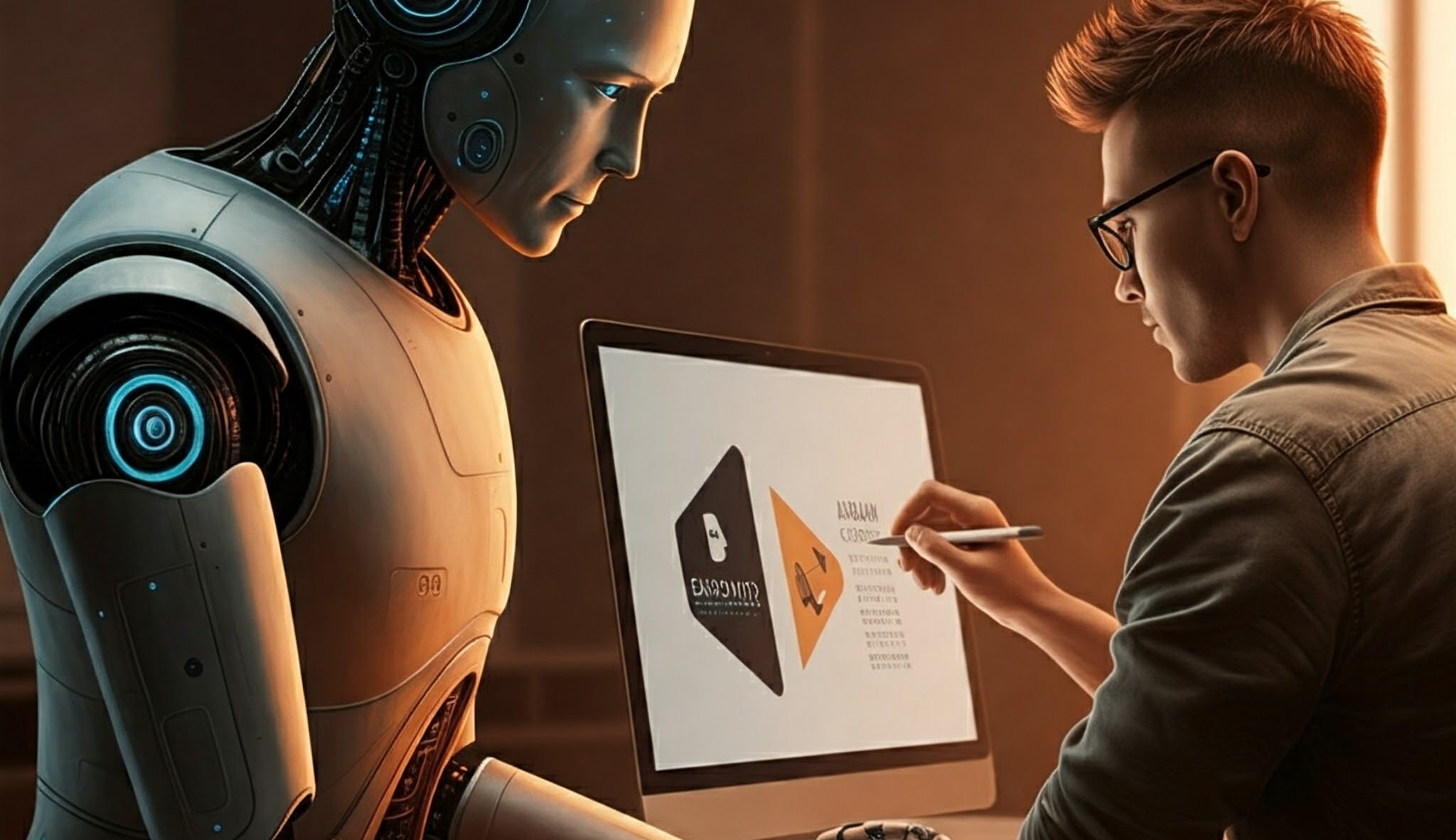
The future of digital advertising is being determined by this human creativity and machine efficiency.
Automation Is Reimagining Workflows of Creativity
Consider the process of the average advertising campaign. The design, editing, resizing, reviewing and publishing follow the brainstorming. Every step is time-consuming and postponement may make launching the campaigns slow.
You can create visuals effortlessly with the best AI image ad generation platform like Lapis.
Rather than manually combine all the design elements, marketers post their brand resources and then make the AI create variations of the ads automatically. This is time saving in addition to consistent branding across campaigns.
The result? More opportunities to experiment and create and faster launches.
Minor Companies Are also getting a boost
Big brands have historically been at a better position than others in their advertising, as they could hire larger creative teams. Smaller companies could hardly create enough advertisement contents to compete.
It is also possible to make professional quality advertising creatives without huge design teams now even with startups and small businesses. Robotic tools enable them to create advertisements in a short time and do experimentation with campaigns on a variety of platforms.
Is this to say that the playing field is getting even?
In many ways, yes. AI also enables a smaller group to expand their promotional activities without raising expenses drastically.
The Future According to The Future
In the future, AI-created advertising creatives will probably be more advanced. Plug-ins can render the analysis of audience behavior in real time and automatically change visuals, messages, and formats to enhance interaction.
Consider the case of a campaign in which the system is constantly learning what creatives are best, and immediately suggesting better versions. Advertisers would be able to operate dynamic systems instead of static campaigns which can always be evolving.
Such smart advertising might change the brand-connect mechanism between brands and customers.
Final Thoughts
The use of AI to create advertising creatives is not a trend. They are a significant change in the way marketing campaigns are generated and streamlined. These tools enable marketers to concentrate on strategy and creativity as well as experimentation by automating repetitive design tasks.
To some extent, the future of advertisement will be a blend of human creativity and AI productivity. The vision will be led by creative workers, whereas production and optimization are managed by intelligent systems.
The question is therefore simple to businesses. Are you willing to struggle with this new creative environment?
The fact that the brands that currently adopted AI-driven advertising might become the leading marketing figure of tomorrow is quite likely.