
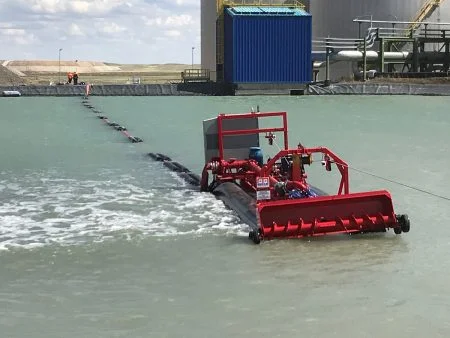
Traditional dredging equipment often relies on diesel engines that produce emissions, noise, and high fuel costs, making them less ideal for residential areas and environmentally sensitive locations. Electric dredge technology offers a cleaner, quieter, and more cost-effective alternative for sediment removal from ponds, lakes, marinas, and municipal waterways. Discover how electric-powered dredging systems are transforming the industry while reducing environmental impact and operational expenses.
What Is an Electric Dredge?
An electric dredge is a sediment removal system powered by electric motors rather than traditional diesel engines, delivering the same powerful performance with significantly reduced environmental footprint. These systems use electrical power to drive hydraulic pumps that operate the dredge pump, cutter head, and positioning systems without burning fossil fuels on-site. Electric dredges come in various configurations including shore-powered units that plug into standard electrical connections and hybrid models that can switch between power sources depending on site conditions. The electric motor design eliminates exhaust emissions, reduces noise pollution, and requires less frequent maintenance compared to combustion engines. This makes electric dredges particularly suitable for residential communities, golf courses, parks, and urban waterways where noise restrictions and air quality concerns limit traditional equipment options.
Why Choose an Electric Dredge for Your Project?
Electric dredge systems provide compelling advantages that make them the preferred choice for many dredging applications in today’s environmentally conscious market. The elimination of diesel exhaust means these machines can operate in enclosed spaces, near sensitive vegetation, or in areas with strict air quality regulations without violating environmental compliance requirements. reduced turbidity, and the ability to handle thick sludge and organic muck effectively. Operating costs are significantly lower because electricity is cheaper than diesel fuel on a per-hour basis, and electric motors have fewer moving parts that require maintenance or replacement. Noise reduction is another major advantage, with electric dredges operating at sound levels that allow work to continue during early morning or evening hours without disturbing nearby residents or wildlife. The cleaner operation also means less risk of fuel spills or hydraulic leaks contaminating the waterway being dredged, providing additional environmental protection that property managers and regulatory agencies appreciate.
How Does Electric Dredging Technology Work?
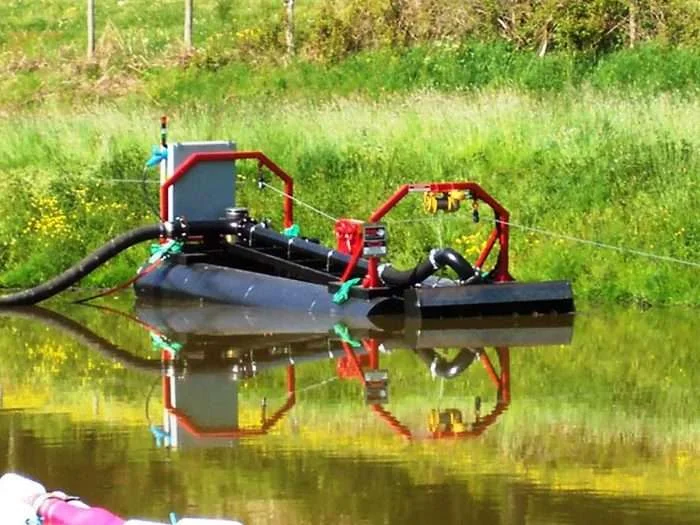
The operation of an electric dredge begins with connecting the system to an appropriate power source, which may include standard shore power connections, portable generators, or dedicated electrical infrastructure installed at the dredging site. Once powered, the electric motor drives hydraulic pumps that create pressure to operate the dredge pump and any cutting or agitation mechanisms designed to loosen sediment from the bottom. Control systems monitor electrical current, hydraulic pressure, and pump performance, automatically adjusting power delivery to maintain optimal dredging efficiency while preventing motor overload. The sediment slurry is pumped through discharge pipelines to designated containment areas where solids settle out and clarified water returns to the waterway.
What Benefits Does Electric Power Provide?
The advantages of electric-powered dredging extend across environmental, operational, and financial dimensions, making these systems increasingly attractive to project managers and property owners. Environmental benefits include zero on-site emissions, reduced carbon footprint, and minimal risk of fuel or oil contamination of the waterway during operation. Operational advantages encompass quieter performance that allows extended working hours, simpler maintenance requirements with fewer engine components to service, and more consistent power delivery that doesn’t degrade with altitude or temperature changes. Financial benefits accumulate over time through lower fuel costs, reduced maintenance expenses, and potentially longer equipment lifespan due to less vibration and wear on components.
How to Select the Right Electric Dredging System?
Choosing the appropriate electric dredge for your project requires careful evaluation of power availability, sediment characteristics, and operational requirements to ensure optimal performance and value. Start by assessing electrical power access at your site, including voltage availability, amperage capacity, and distance from power sources to the dredging location, as this determines whether shore-powered or generator-supported systems make more sense. Consider the type and volume of sediment you need to remove, as thicker materials may require more powerful motors or specialized cutter heads designed for heavy-duty applications. Evaluate pipeline distance and elevation requirements, since these factors influence pump sizing and power needs to maintain adequate flow rates throughout the discharge system. Review manufacturer specifications for duty cycle ratings, continuous operation capabilities, and recommended maintenance schedules to understand long-term ownership costs and reliability expectations.
What Maintenance Is Required for Electric Systems?
Electric dredge systems generally require less maintenance than diesel-powered equivalents, but regular care is still essential for reliable performance and maximum equipment lifespan. Daily inspections should include checking electrical connections for corrosion or loose terminals, examining cables for damage or wear, verifying control panel indicators show normal operation, and cleaning intake screens to prevent clogging. Weekly maintenance tasks typically involve lubricating bearings and moving parts, testing safety shut-off systems and emergency stops, inspecting hydraulic hoses and fittings for leaks, and reviewing motor temperature readings to ensure proper cooling. Monthly service should include comprehensive electrical system checks with megohm testing of motor windings, calibration of sensors and monitoring instruments, replacement of hydraulic filters, and thorough cleaning of all components to prevent corrosion.
Conclusion
Electric dredge technology represents the future of sustainable waterway maintenance, offering superior environmental performance, lower operating costs, and quieter operation compared to traditional diesel-powered equipment. Whether you’re managing residential ponds, commercial marinas, or municipal waterways, investing in electric dredging systems delivers long-term value through reliable performance and reduced environmental impact. Contact a qualified dredging equipment provider today to explore how electric solutions can transform your sediment management approach while supporting your sustainability goals.