
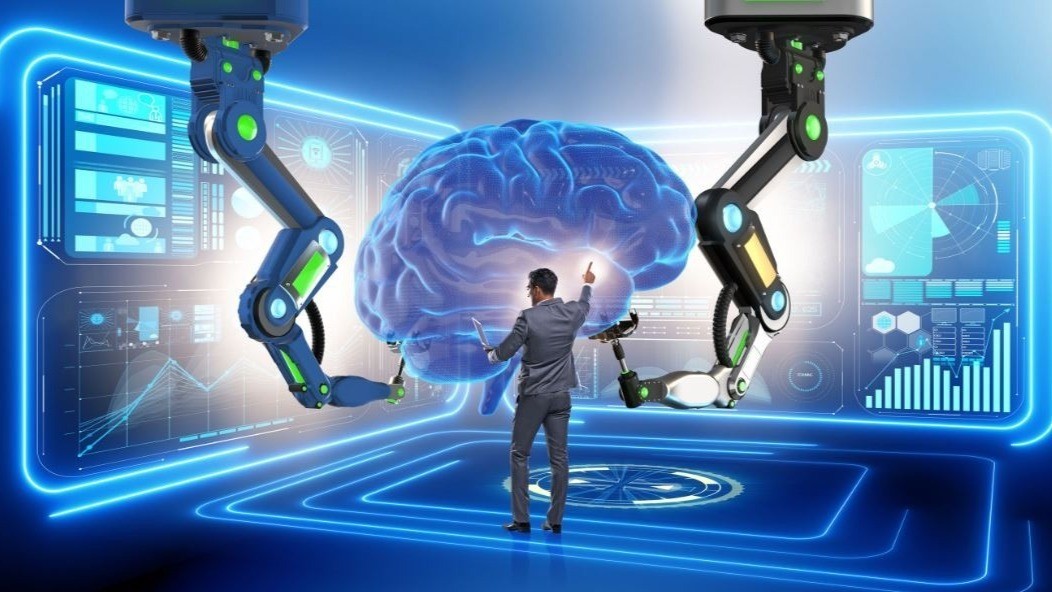
Artificial Intelligence (AI) has moved beyond research labs and technology companies to become a part of everyday life. From smartphones and digital assistants to healthcare systems and transportation networks, AI is quietly transforming how people interact with technology and how many everyday tasks are performed.
One of the most visible examples of AI in daily life is the use of voice assistants such as those found in smartphones and smart speakers. These systems rely on advanced algorithms that can recognize speech, interpret commands, and respond in real time. Whether it is setting reminders, searching for information, or controlling smart home devices, AI has made these interactions faster and more intuitive.
AI also plays a major role in online services that people use every day. Streaming platforms recommend movies and shows based on viewing habits, while online shopping platforms suggest products that match a user’s preferences. These personalized recommendations are powered by machine learning models that analyze large amounts of data to understand patterns and predict behavior.
Healthcare is another field where artificial intelligence is making a significant impact. AI tools are being used to assist doctors in diagnosing diseases, analyzing medical images, and predicting potential health risks. In some cases, AI can detect patterns in medical data that may be difficult for humans to identify, helping doctors make faster and more accurate decisions.
Transportation systems are also benefiting from AI innovations. Navigation apps use artificial intelligence to analyze traffic patterns and suggest faster routes, while ride-sharing platforms rely on AI to match drivers with passengers efficiently. The development of autonomous vehicles is another example of how AI could reshape the future of transportation.
AI is also improving workplace productivity. Many businesses now use AI-powered tools for tasks such as customer support, data analysis, and workflow automation. Chatbots, for instance, can handle basic customer inquiries, allowing human employees to focus on more complex tasks.
Despite these benefits, the rapid growth of AI also raises important questions about privacy, ethics, and employment. As machines become more capable of performing tasks that were once done by humans, organizations and governments must carefully consider how AI should be developed and regulated.
Artificial intelligence is likely to continue shaping everyday life in ways that were unimaginable just a few decades ago. By understanding how these technologies work and how they affect society, individuals can better prepare for a future where AI plays an increasingly important role.