
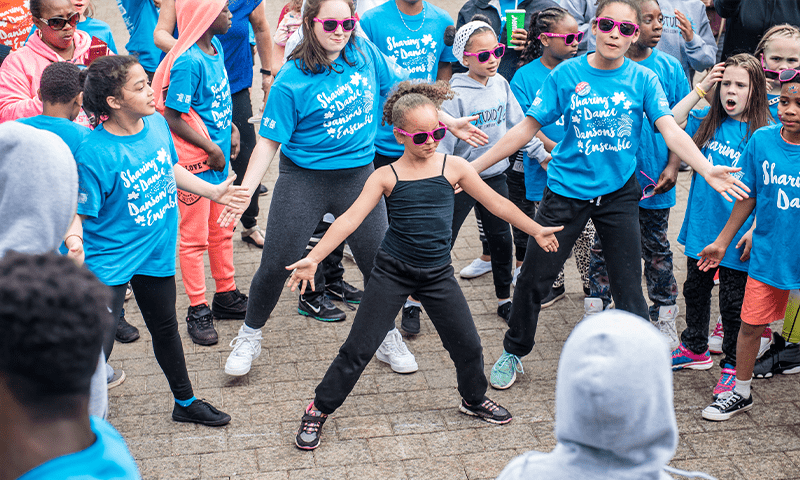
Finding accessible dance opportunities is essential for building community connections through movement in the Toronto area. Sharing dance toronto offers inclusive programming that brings people of all ages, abilities, and backgrounds together through joyful dance experiences. These community-focused programs celebrate diversity, creativity, and the universal language of movement across the city. In this comprehensive guide, we’ll explore everything you need to know about Sharing Dance and how to participate in Toronto’s vibrant dance community.
What Is Sharing Dance Toronto?
Sharing Dance Toronto is a nationwide community dance initiative that brings free, accessible dance programming to participants across the Greater Toronto Area and beyond. This program was created to make dance available to everyone regardless of age, ability, income, or dance experience level. Classes are offered in community centers, schools, seniors’ residences, and online platforms throughout Toronto neighborhoods.
The program features choreography created by professional Canadian dance artists that is taught simultaneously across multiple locations nationwide. Participants learn the same routines as dancers in other cities, creating a sense of national connection through shared movement. Classes welcome complete beginners alongside experienced dancers, focusing on enjoyment and participation rather than technical perfection. Many sessions are offered at no cost or with minimal fees to ensure financial barriers don’t prevent participation.
Why Sharing Dance Toronto Builds Stronger Communities?
Sharing Dance Toronto provides numerous benefits that extend far beyond learning dance steps, creating meaningful connections between participants from diverse backgrounds throughout the city. These programs bring together people who might never otherwise meet, including seniors, youth, newcomers to Canada, and individuals with varying abilities. Dancing together breaks down social barriers, reduces isolation, and builds friendships across generational and cultural divides.
How Does Sharing Dance Toronto Work?
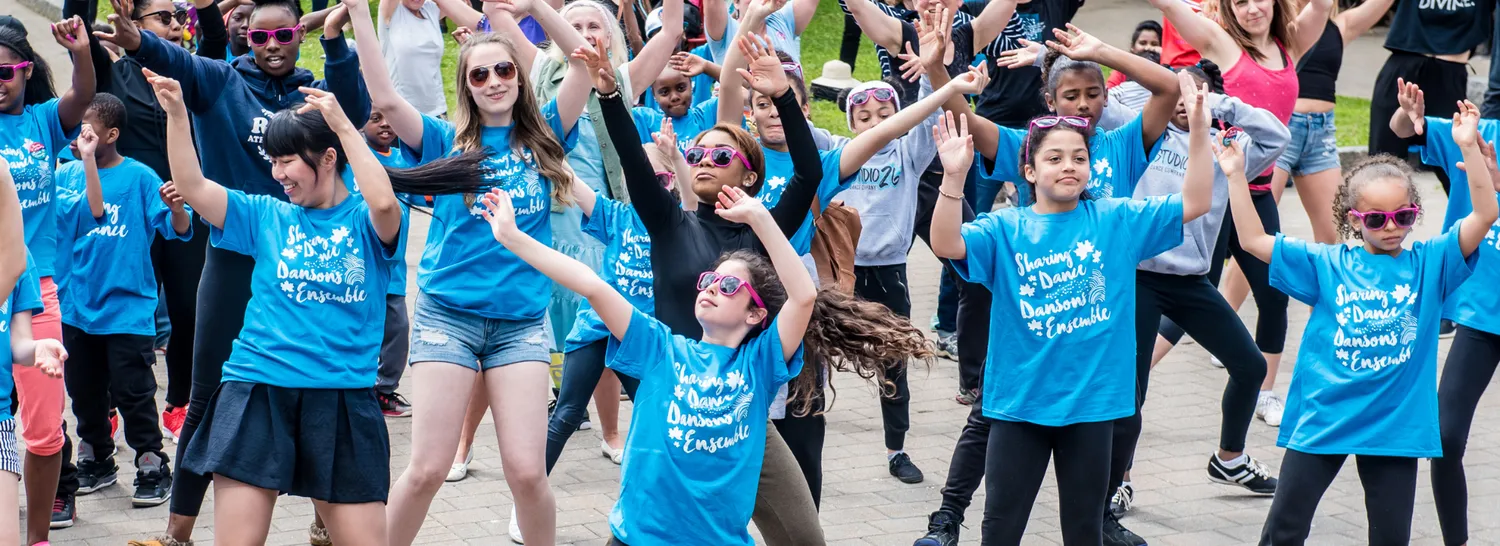
Sharing Dance Toronto works through a coordinated network of community partners, dance instructors, and participants who come together to create accessible dance experiences across the city. The National Ballet School of Canada develops annual choreography specifically designed for diverse ability levels and age groups. This choreography is then distributed to registered instructors and community organizations throughout Toronto and nationwide.
Community centers, schools, seniors’ residences, and dance studios register to offer Sharing Dance classes, with instructors receiving training and resources to teach the choreography effectively. Classes typically run for 6-12 weeks, meeting once or twice weekly for 45-60 minute sessions. Participants can join at various skill levels with no audition or experience required. Many programs culminate in community showcase events where multiple classes come together to perform the choreography they’ve learned. Virtual options allow homebound participants or those in remote areas to access classes online with instructional videos and live-streamed sessions.
What Age Groups Can Participate in Sharing Dance?
Sharing Dance Toronto welcomes participants across a remarkably diverse range of age groups, from young children to seniors, with programming specifically designed for different developmental stages and abilities. Early childhood programs serve ages 3-6 with playful movement exploration, basic rhythm activities, and imaginative dance games that develop coordination and body awareness. These classes often include parent or caregiver participation to support young learners.
Youth programs for ages 7-17 focus on building dance skills, creativity, and confidence through age-appropriate choreography and peer collaboration. Adult programs welcome participants 18-64 with varied intensity levels from gentle movement to more physically demanding routines. Senior-specific classes address balance, flexibility, and social connection for older adults, often offered in seniors’ residences and community centers. Many locations also offer intergenerational classes where multiple age groups dance together, creating unique bonding opportunities between grandparents, parents, and children. Adaptive programs ensure individuals with disabilities can participate meaningfully alongside peers of all ages.
How to Find Sharing Dance Programs in Toronto?
Finding Sharing Dance programs in Toronto requires exploring multiple resources and community connections to locate classes that match your schedule, location, and interests. Start by visiting the official Sharing Dance website which maintains a searchable database of registered programs across Toronto neighborhoods with location, schedule, and contact information. Filter results by age group, ability level, and proximity to your home or workplace.
Contact your local community center, recreation facility, or library to ask about upcoming Sharing Dance sessions, as many programs are advertised through municipal channels rather than online. Schools often host Sharing Dance programs during or after school hours, so check with educational institutions in your area. Seniors’ residences and adult day programs frequently offer Sharing Dance classes for older adults. Follow Sharing Dance social media accounts for announcements about special events, flash mobs, and community performances. Register early as popular programs fill quickly, and ask about waitlist options if classes are full.
Conclusion
Sharing Dance Toronto offers residents accessible, inclusive dance programming that builds community connections, improves wellbeing, and celebrates movement for people of all ages and abilities. By understanding available options, selecting appropriate programs, and participating with an open mind, dancers can experience the transformative benefits of community dance. The investment in Sharing Dance pays dividends in physical health, social connections, creative expression, and lasting memories.