
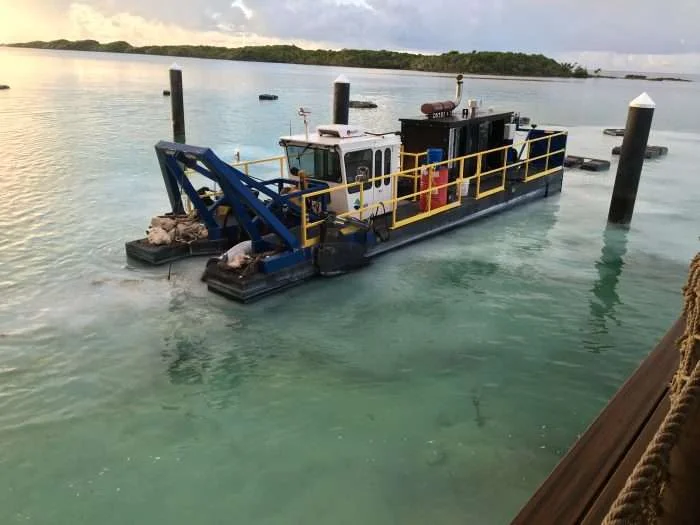
Beach dredging equipment plays a vital role in preserving our coastlines and maintaining beautiful shorelines for communities worldwide. From erosion control to harbor maintenance, the right equipment ensures efficient sand movement while protecting delicate coastal ecosystems. This guide explores everything you need to know about selecting and operating beach dredging systems for successful coastal projects.
What Is Beach Dredging Equipment?
Beach dredging equipment encompasses specialized machinery designed to extract, transport, and redistribute sand along coastal areas and shorelines. These systems typically include cutter suction dredges, hopper dredges, and booster pumps that work together to move sand from offshore deposits to eroded beach areas. Modern beach dredging equipment ranges from compact portable units suitable for limited access locations to large-scale industrial dredges capable of handling massive restoration projects. The equipment must withstand harsh marine environments including saltwater corrosion, wave action, and abrasive sand particles. Understanding the different types of available systems helps project managers select equipment that matches their specific coastal conditions, budget constraints, and environmental compliance requirements for successful beach nourishment operations.
Why Choose Beach Dredging Equipment?
Investing in proper beach dredging equipment delivers significant advantages for coastal communities and property owners facing erosion challenges. These specialized machines can access underwater sand deposits that traditional excavation equipment simply cannot reach effectively. The efficiency gains are remarkable, with modern systems moving thousands of cubic meters of sand per hour while minimizing disruption to beach activities. Coastal restoration solutions provide long-term protection against storm damage and rising sea levels when implemented correctly.
How To Select The Right Equipment?
Choosing appropriate beach dredging equipment requires careful evaluation of multiple project-specific factors. Begin by assessing the scope of your beach restoration or maintenance project, including total sand volume needed and project timeline constraints. Consider the working environment carefully—will operations occur in shallow surf zones, deeper offshore areas, or near sensitive marine habitats? The distance sand must be pumped significantly impacts equipment selection, as longer discharge distances require more powerful pumps and potentially intermediate booster stations. Material characteristics matter too, as different sand grain sizes flow differently through dredging systems. Evaluate your power source options, whether diesel engines provide necessary flexibility or electric motors offer cost advantages for grid-accessible sites. Budget considerations play a role, but remember that quality equipment from reputable manufacturers often delivers better long-term value through reliability and reduced maintenance requirements throughout your project lifecycle.
What Are The Key Components?
Understanding the main components of beach dredging equipment helps stakeholders make informed purchasing and operational decisions. The cutter head serves as the primary extraction mechanism, loosening compacted sand from the seabed and feeding it into the suction system. Dredge pumps form the operational heart, creating necessary vacuum pressure to lift sand-water mixtures through discharge pipelines to placement areas. These pumps require construction from wear-resistant materials to handle abrasive sand without premature failure in demanding coastal environments. The discharge pipeline system transports extracted sand across beaches to target restoration zones, with pipe diameter and wall thickness selected based on flow requirements and distance constraints. Power units provide essential energy through diesel engines, electric motors, or hydraulic systems depending on site conditions. Advanced control systems allow operators to monitor performance metrics, adjust flow rates, and respond to changing tidal conditions in real-time for optimal efficiency.
How To Maintain Your Dredging Equipment?
Proper maintenance extends the operational lifespan of beach dredging equipment and prevents expensive breakdowns during critical project phases. Establish comprehensive inspection schedules covering all major components, with special attention to wear parts like pump impellers, cutter teeth, and pipeline sections exposed to abrasive materials. Lubrication protocols are crucial—follow manufacturer specifications for greasing bearings and monitoring hydraulic fluid levels regularly. Monitor vibration patterns and unusual operating noises that might signal developing mechanical problems before they escalate into serious failures requiring extended downtime. Maintain strategic spare parts inventory for commonly replaced components to minimize project delays when natural wear occurs. After each operating session, flush all systems thoroughly with fresh water to remove salt and sand buildup that accelerates corrosion. Invest in operator training programs so crew members recognize early warning signs and report potential issues immediately. Document all maintenance activities systematically to track wear patterns and predict major service intervals proactively.
Why Does Environmental Compliance Matter?
Environmental compliance represents a critical consideration for all beach dredging operations in today’s regulatory landscape. Properly permitted dredging projects protect marine ecosystems while achieving coastal restoration goals effectively. Working with environmental consultants ensures operations comply with local, state, and federal regulations governing coastal zone management. Timing dredging activities around sensitive wildlife breeding seasons minimizes ecological disruption to protected species. Using turbidity curtains and monitoring systems prevents sediment plumes from damaging nearby coral reefs or seagrass beds. Many jurisdictions require comprehensive environmental impact assessments before issuing dredging permits, so factor these requirements into project planning timelines. Investing in newer, cleaner equipment often helps meet stricter environmental standards while improving operational efficiency and community relations. Demonstrating environmental responsibility builds public support for necessary coastal protection projects.
Conclusion
Selecting and operating the right beach dredging equipment is essential for successful coastal restoration and maintenance projects worldwide. By understanding your specific project requirements, choosing quality components from trusted manufacturers, and implementing proper maintenance protocols, you can achieve efficient, cost-effective operations that deliver lasting results. Remember that investing in appropriate equipment pays dividends through reliability, performance, and extended operational life. Whether you’re undertaking small-scale beach nourishment or large commercial coastal protection projects, the principles outlined in this guide support informed decision-making. Take time to evaluate your options thoroughly, consult with equipment specialists when questions arise, and prioritize both operational efficiency and environmental stewardship in all your dredging operations.