
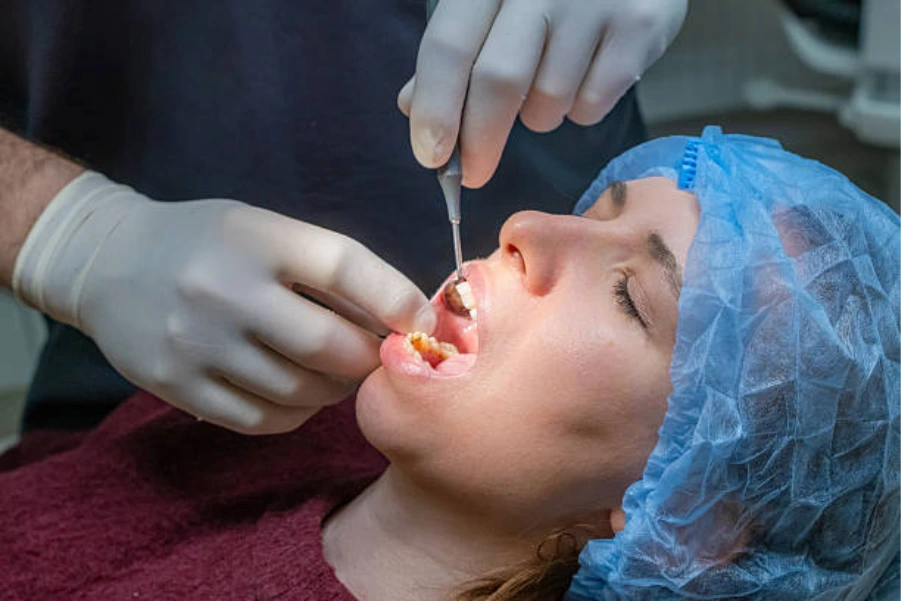
Dental implant procedures have improved greatly with the help of digital technologies. Modern dentistry now uses digital imaging, computer-aided design, and advanced manufacturing methods to make treatments more precise and predictable. One of the most important innovations in this area is the 3D printed dental implant guide.
This technology allows dentists and oral surgeons to plan implant placement carefully before the procedure begins. By using digital scans and specialized design software, a guide can be created and printed to help position the implant accurately in the patient’s jaw. As a result, the treatment becomes safer, faster, and more comfortable for patients.
A well-designed surgical guide helps reduce guesswork during implant placement. It also improves communication between dental professionals and ensures that the procedure follows the treatment plan exactly. Because of these advantages, many dental clinics now rely on this technology to support modern implant dentistry.
Understanding The Role Of A 3d Printed Dental Implant Guide In Modern Dentistry
A 3d printed dental implant guide is a custom-made tool used during implant surgery. It is designed using digital scans of the patient’s mouth and jaw. The guide fits over the patient’s teeth or gums and contains small openings that direct the dental drill to the correct location, angle, and depth.
This guide acts like a template for the dentist. Instead of relying only on manual measurements, the dentist follows the prepared guide to place the implant exactly where it was planned digitally. This improves the precision of the procedure and reduces the chances of errors.
In modern dentistry, implant procedures must consider several factors such as bone density, nerve location, and the final position of the artificial tooth. A digital guide helps manage all these factors in advance. By planning everything beforehand, dentists can avoid complications during surgery.
Another advantage is consistency. When multiple implants are required, maintaining alignment and spacing becomes very important. A surgical guide ensures that each implant is placed in the correct position relative to the others.
Because of these benefits, this technology has become an essential part of digital implant planning and surgical accuracy.
What Is a Dental Implant Surgical Guide?
A dental implant surgical guide is a medical device created to assist dentists in placing implants in the jawbone accurately. It is produced using digital imaging and 3D printing technology.
The guide is usually made from medical-grade materials and designed specifically for the patient’s mouth. Once placed in the mouth during surgery, it directs the drill and implant fixture to the exact position that was planned in the digital model.
Key Functions of a Surgical Guide
A surgical guide performs several important functions during dental implant procedures.
- It helps control the position, angle, and depth of the implant.
- It stabilizes the surgical process and reduces the risk of deviation from the treatment plan.
Because of these functions, the guide serves as an important tool for improving treatment accuracy.
Why Customization Matters
Every patient’s oral structure is different. The size of the jawbone, the spacing of teeth, and the location of nerves vary from person to person. A custom guide ensures that the implant placement matches the patient’s unique anatomy.
Customization also helps ensure that the final dental restoration fits properly. Since the implant acts as the foundation for the replacement tooth, accurate placement is essential for long-term success.
How Are 3D Printed Implant Guides Created?
The process of creating an implant guide involves several digital and manufacturing steps. Each stage is carefully planned to ensure the final guide fits perfectly and supports accurate surgery.
Digital Scanning and Data Collection
The first step involves collecting detailed images of the patient’s mouth and jaw. Dentists often use advanced imaging methods to capture the structure of teeth, bone, and surrounding tissues.
These scans provide a three-dimensional model of the patient’s oral anatomy. The data helps dental professionals evaluate bone density, identify important anatomical structures, and determine the best location for implant placement.
Virtual Implant Planning
Once the digital model is created, dentists use specialized software to plan the implant position virtually. This allows them to experiment with different angles and depths while avoiding sensitive areas such as nerves and sinus cavities.
Virtual planning also considers the final prosthetic tooth design. By planning the implant based on the final restoration, dentists ensure that the replacement tooth will look natural and function properly.
3D Printing the Surgical Guide
After planning is complete, the guide design is sent to a 3D printer. The printer builds the guide layer by layer using specialized materials suitable for medical use.
The printed guide is then cleaned, finished, and prepared for use during surgery. Because the guide is created from the patient’s digital scans, it fits securely and accurately in the mouth.
This digital workflow helps improve precision and efficiency compared to traditional manual methods.
Benefits of Using a 3D Printed Implant Guide
The introduction of digital surgical guides has transformed implant dentistry. Dentists and patients both benefit from the improved accuracy and predictability that this technology provides.
One of the biggest advantages is precision. Because the guide is designed using detailed digital scans, the implant can be placed exactly according to the treatment plan. This reduces the risk of improper placement.
Another major benefit is patient safety. Accurate implant positioning helps protect important anatomical structures such as nerves and sinus cavities.
Additional benefits include:
- Reduced surgery time and fewer surgical adjustments
- Improved healing due to minimally invasive techniques
With a surgical guide, dentists can often perform flapless implant surgery, which means there is less cutting of gum tissue. This approach can lead to less discomfort and faster recovery for the patient.
The guide also improves communication between dental specialists. When multiple professionals are involved in the treatment, the digital plan ensures everyone follows the same surgical strategy.
Overall, the technology helps deliver predictable results and higher treatment success rates.
Materials Used in 3D Printed Dental Implant Guides
The materials used for surgical guides must meet strict medical standards. They must be safe for use in the mouth, durable enough to maintain shape during drilling, and precise enough to maintain accuracy.
Most guides are produced using specialized dental resins designed for medical applications. These materials provide the strength needed during surgery while still allowing for precise manufacturing.
Common Characteristics of Guide Materials
Materials used in implant guides typically have the following properties:
- High dimensional stability to maintain accuracy
- Biocompatibility for safe contact with oral tissues
These features ensure that the guide performs reliably during the surgical procedure.
Importance of Sterilization
Before being used in surgery, the guide must be properly sterilized. This ensures that it does not introduce bacteria into the surgical site.
Proper sterilization methods maintain the integrity of the material while ensuring patient safety. Once sterilized, the guide is ready for use during the implant procedure.
Using safe and reliable materials is an essential part of successful guided implant surgery.
How Guided Implant Surgery Improves Patient Outcomes
Guided implant surgery supported by digital technology provides several advantages compared to traditional freehand implant placement.
One of the main improvements is accuracy. When implants are placed exactly as planned, the risk of complications decreases significantly. Proper positioning also improves the long-term stability of the implant.
Another benefit is improved patient comfort. Since the procedure can often be performed with minimal tissue disruption, patients may experience less swelling and pain.
Guided surgery also helps reduce treatment time. Because the dentist follows the prepared guide, the surgical steps are more efficient and predictable.
Better outcomes are also seen in the final dental restoration. When the implant is placed correctly, the artificial tooth aligns properly with surrounding teeth. This results in better appearance and improved chewing function.
In addition, digital planning allows dentists to anticipate challenges before surgery begins. This proactive approach helps prevent unexpected complications during the procedure.
Future Developments in Digital Implant Dentistry
Digital dentistry continues to evolve, and implant technology is advancing rapidly. Improvements in imaging systems, design software, and 3D printing are making implant planning even more precise.
Future developments may include faster printing technologies and more advanced materials that improve guide strength and accuracy. Artificial intelligence may also assist dentists in analyzing scans and recommending optimal implant positions.
Another exciting development is the integration of digital workflows across the entire dental treatment process. From scanning and planning to printing and final restoration, everything can be connected in a single digital system.
This integration improves efficiency and reduces the risk of human error. As technology continues to advance, patients can expect even safer and more predictable implant procedures.
Digital tools will likely become standard in implant dentistry, helping dental professionals deliver high-quality treatment while improving patient experience.
Conclusion
The use of a 3d printed dental implant guide has significantly improved the precision and safety of modern implant procedures. By combining digital imaging, virtual planning, and advanced manufacturing, dentists can create customized guides that support accurate implant placement.
These guides help reduce surgical risks, improve patient comfort, and increase the predictability of treatment outcomes. They also support better communication between dental professionals and ensure that procedures follow the planned design.
As digital dentistry continues to grow, guided implant surgery will likely become even more advanced and widely adopted. With ongoing improvements in technology and materials, the future of dental implant treatment promises greater accuracy, efficiency, and patient safety.