

Dealing with a sudden injury changes your daily life in an instant. The path to recovery often stretches much further than the initial hospital stay. You might feel overwhelmed by the many decisions you need to make right now.
Looking ahead helps you manage the physical and financial shifts that follow. Mapping out your future needs provides a sense of control during a chaotic time.
Thinking About The Future
Recovery is a marathon rather than a sprint. You need to look past the next few weeks to see what your body requires long-term.
Preparing for these changes helps reduce stress for you and your family. Setting clear goals makes the healing process feel more manageable. Small victories every day build the foundation for a full recovery and a return to the things you love.
Every injury is different and requires a custom approach to healing. You might need to adjust your home or find new ways to stay active.
Financial Stability After An Accident
Medical bills can pile up quickly after a major incident. Planning for these costs is a key part of your overall wellness strategy. Financial stress can hinder your physical healing if left unmanaged for too long.
The financial support allows you to focus on getting better without worrying about every single bill. Many families find that compensation for medical expenses provides the necessary cushion to afford ongoing therapy. It removes a massive weight from your shoulders during a difficult time.
Long-term care often includes costs that aren’t obvious at first. Small expenses like travel to doctors or special equipment add up over months. Keeping a detailed budget helps you stay ahead of these rising costs.
Medical Advances In Trauma Care
Modern medicine has come a long way in saving lives after severe trauma. Doctors are now better at keeping patients stable during the most critical hours of an emergency.
A recent study highlights that better survival rates have shifted medical focus toward long-term recovery and rehabilitation. This shift means more resources are available to help you regain your quality of life.
Rehabilitation is now seen as a central pillar of the healing process. Staying committed to your rehab plan is the best way to see real progress. Your medical team will guide you through each stage of this journey to make sure you stay on track.
Organizing Your Healthcare Team
You will likely work with many different specialists throughout your journey. Keeping their contact information in one place saves a lot of time and effort. It makes it easier to coordinate care between different clinics and therapists.
Managing these appointments requires a good system for tracking notes and orders. You should keep a list of the key people on your team to share with your family. These professionals work together to help you reach your goals:
- Physical therapists for movement and strength.
- Occupational therapists for daily tasks and habits.
- Primary care doctors for overall health and wellness.
Clear communication with your team helps everyone stay on the same page. Do not be afraid to ask questions about your treatment plan or your medications. You are the most important member of your own recovery team.
Home Modifications For Better Living
Your living space might need changes to fit your new physical needs. Simple adjustments can make a big difference in your independence and comfort.
Ramps or wider doorways help if you use a wheelchair or walker. These changes allow you to move freely within your own home without help. It is better to make these updates before you return from the hospital.
Changes in the bathroom or kitchen can prevent future falls and injuries. Safety should always be the top priority when updating your space for the long term. Investing in these modifications provides peace of mind for you and your caregivers.
Mental Health During Physical Recovery
Physical pain is only one part of the struggle after an injury. The emotional toll can be just as heavy and requires its own care plan. You must pay attention to your mental well-being throughout this entire process.
One research paper found that about 20% of college athletes face serious mental health struggles after getting hurt. This shows that even the most fit individuals need emotional support during recovery.
Talking to a counselor or joining a support group can help you process your feelings. Your mind needs time to heal just like your body does. Professional help provides tools to manage the stress of your current situation.
Returning To Work And Routine
Getting back to your job is a major milestone in the recovery process. It often takes a gradual approach rather than jumping back in full-time. You should talk to your boss about your needs early in the planning stage.
Your employer might offer light duty or flexible hours to help you transition. Open dialogue about your limits makes this process much smoother for everyone. This phase of recovery requires patience and steady effort as you rebuild your stamina.
Reclaiming your routine helps restore a sense of normalcy to your life. Take small steps every day to rebuild your confidence in the workplace. You will find that regular activity improves your mood and energy levels.
Support Systems And Caregivers
You do not have to go through this difficult time by yourself. Family and friends often want to help but might not know how to start. Giving them direction makes their support more effective and helpful for you.
Give your loved ones specific tasks so they can support you effectively. These small acts of kindness help reduce the burden on you as you focus on getting better:
- Help with grocery shopping or preparing meals.
- Driving you to medical appointments and therapy sessions.
- Assisting with household chores and pet care.
Caregivers need to look after their own health to avoid burnout. Encouraging them to take breaks helps keep the whole support system strong and steady. Everyone benefits when the care team is healthy and happy.
Setting Realistic Milestones
Success in recovery is often measured in small victories. Celebrate when you reach a new level of mobility or strength in your therapy sessions.
Some days will feel harder than others, and that is perfectly normal. Patience is a key tool for anyone dealing with a long-term injury. You should focus on how far you have come since the first day of your recovery.
Keep a journal to track your progress over the months and years. Looking back on your journey provides inspiration to keep moving forward with your plan. You are building a new future for yourself one step at a time.
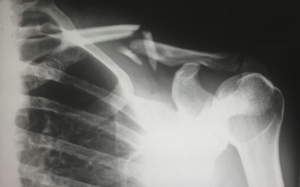
Healing from an injury is a personal journey that takes time and effort. Having a solid plan in place makes the road ahead feel less daunting. You have the strength to navigate these changes and move forward with confidence.
Focus on what you can control and take things one day at a time. With the right support and resources, you can build a bright future. Your recovery is worth every bit of the hard work you put in. Stay patient with yourself and trust that your efforts will lead to a better quality of life.