
City commuting can be stressful, but choosing the right car can make it easier, cheaper, and more environmentally friendly. Fuel efficiency is a key consideration for daily urban driving, where stop-and-go traffic, short trips, and frequent idling can otherwise increase fuel costs. The ideal commuter car balances economy, comfort, and practicality without compromising safety or reliability.
This guide highlights the best fuel-efficient cars for city driving, along with tips for maximizing efficiency and understanding options for drivers who occasionally need versatility similar to Best Midsize SUVs for Towing Capacity.
1. Toyota Prius – The Hybrid Pioneer
The Toyota Prius remains one of the most recognizable fuel-efficient vehicles:
-
Fuel economy: Up to 56 MPG combined (depending on model year).
-
Key features: Hybrid technology, comfortable cabin, and advanced safety features.
-
Ideal for: Drivers seeking a reliable hybrid for everyday city commutes.
The Prius is especially effective in urban traffic due to regenerative braking and electric-only low-speed driving.
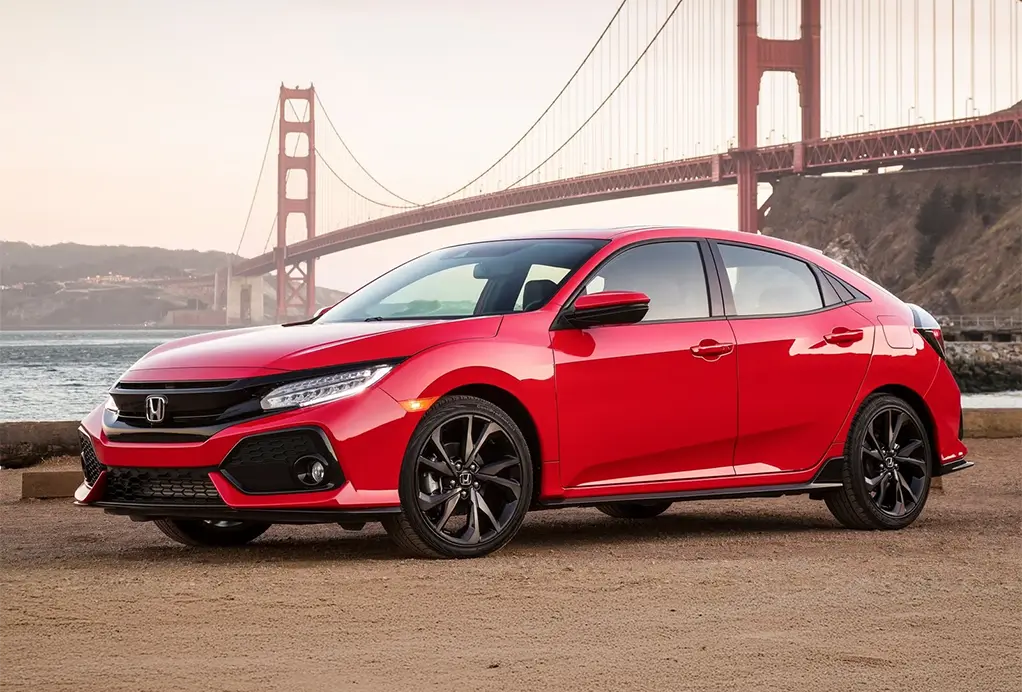
2. Honda Civic – Efficient and Practical
The Honda Civic is a compact car that offers efficiency without sacrificing style:
-
Fuel economy: Around 32–36 MPG city and 42 MPG highway.
-
Key features: Comfortable seating, smooth handling, and intuitive infotainment.
-
Ideal for: Commuters looking for a combination of performance and fuel savings.
Its compact size also makes parking and maneuvering in tight city spaces easier.
3. Hyundai Ioniq Hybrid – Budget-Friendly Hybrid
The Hyundai Ioniq Hybrid is a strong competitor in the hybrid segment:
-
Fuel economy: Up to 58 MPG combined.
-
Key features: Sleek design, affordable pricing, and high-tech features.
-
Ideal for: Urban drivers looking for the most fuel-efficient hybrid under a reasonable budget.
The Ioniq’s efficiency is especially advantageous for frequent stop-and-go driving.
4. Toyota Corolla Hybrid – Reliable Daily Driver
The Toyota Corolla Hybrid combines classic reliability with modern hybrid technology:
-
Fuel economy: Up to 52 MPG combined.
-
Key features: Spacious interior, smooth ride, and Toyota Safety Sense suite.
-
Ideal for: Commuters who want a dependable hybrid with proven performance.
Its low running costs make it a popular choice for cost-conscious city drivers.
5. Kia Niro Hybrid – Versatile and Efficient
The Kia Niro is a small crossover that blends practicality with hybrid efficiency:
-
Fuel economy: Around 50 MPG combined.
-
Key features: Flexible cargo space, user-friendly infotainment, and hybrid efficiency.
-
Ideal for: Drivers who occasionally need more space while keeping fuel costs low.
Its versatility makes it a great option for urban commuters who sometimes need a utility vehicle without going to a full-size SUV like those highlighted under Best Midsize SUVs for Towing Capacity.
6. Chevrolet Bolt EV – Fully Electric Option
For drivers considering zero-emission commuting, the Chevrolet Bolt EV is a compact electric vehicle:
-
Fuel economy: 0 MPG (electric), with 259 miles of range per full charge.
-
Key features: Fast charging, nimble city handling, and ample interior space.
-
Ideal for: Urban drivers with access to charging infrastructure seeking a fully electric solution.
EVs reduce fuel costs entirely while supporting eco-friendly urban driving.
7. Honda Insight – Efficient Sedan
The Honda Insight combines sleek design with hybrid efficiency:
-
Fuel economy: Up to 55 MPG combined.
-
Key features: Comfortable interior, smooth handling, and user-friendly tech.
-
Ideal for: Commuters who want a quiet and fuel-efficient sedan with advanced safety features.
It provides an alternative to hatchbacks or compact SUVs while maintaining low fuel consumption.
Tips for Maximizing Fuel Efficiency in the City
-
Smooth acceleration and braking: Avoid rapid starts and stops to conserve fuel.
-
Limit idling: Turn off the engine when waiting for long periods.
-
Maintain proper tire pressure: Under-inflated tires reduce efficiency.
-
Lighten your load: Remove unnecessary items to reduce weight.
-
Use cruise control on open stretches: Even short urban highways can benefit from steady speeds.
Applying these practices can improve fuel efficiency by 10–15% in city driving.
FAQs
1. Are hybrids better than gasoline cars for city commuting?
Yes, hybrids excel in stop-and-go traffic because their electric motor reduces fuel consumption during low-speed driving.
2. Can electric vehicles (EVs) handle daily city commuting?
Absolutely, especially in cities with charging infrastructure. EVs are efficient for short trips and avoid fuel costs entirely.
3. How often should I maintain my fuel-efficient car?
Regular maintenance, such as oil changes, tire checks, and battery inspections for hybrids, ensures optimal efficiency and longevity.
4. Are compact SUVs less fuel-efficient than sedans?
Typically, yes, but hybrid crossovers like the Kia Niro or Toyota RAV4 Hybrid offer a balance between space and fuel savings.
5. Can small SUVs provide similar utility to full-size models?
Yes. While smaller SUVs cannot match towing capacities like those in Best Midsize SUVs for Towing Capacity, they provide enough versatility for daily urban commuting with excellent fuel efficiency.
Conclusion
Choosing the right fuel-efficient car for city commuting saves money, reduces environmental impact, and improves the overall driving experience. Hybrids like the Toyota Prius, Honda Insight, and Hyundai Ioniq offer exceptional MPG, while compact cars like the Honda Civic and fully electric options like the Chevrolet Bolt EV provide alternatives for different preferences.
For drivers needing extra space or versatility without sacrificing fuel efficiency, small hybrid crossovers like the Kia Niro can be an excellent compromise. By combining a well-chosen vehicle with mindful driving habits, city commuters can achieve maximum efficiency and enjoy a smoother, more cost-effective daily journey.