
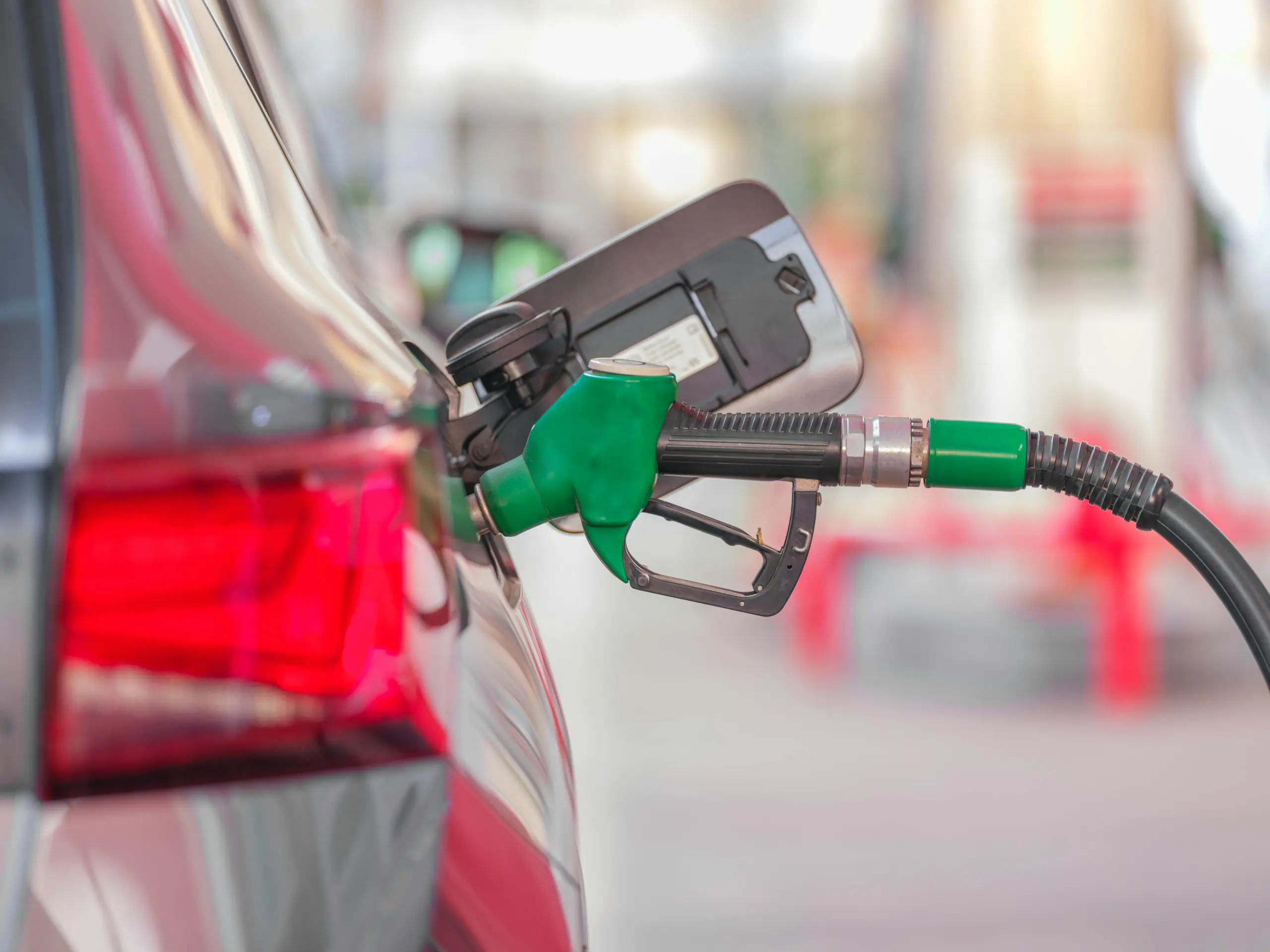
Fuel costs are one of the most significant expenses for car owners, and improving fuel efficiency not only saves money but also reduces your environmental footprint. With a few simple tips, you can maximize your car’s mileage without sacrificing performance or comfort. From driving habits to regular maintenance, small changes can make a noticeable difference in fuel consumption.
This guide outlines practical ways to enhance your car’s fuel efficiency, helping you save money and reduce emissions over time.
Why Fuel Efficiency Matters
-
Cost Savings: Lower fuel consumption means fewer trips to the pump.
-
Environmental Impact: Reduced fuel usage lowers greenhouse gas emissions.
-
Vehicle Longevity: Proper maintenance improves engine performance and lifespan.
-
Better Performance: Efficient cars often run smoother and more reliably.
Simple Tips to Improve Car Fuel Efficiency
| Tip | How to Implement | Benefits |
|---|---|---|
| Drive Smoothly | Avoid rapid acceleration and hard braking | Reduces fuel wastage, improves mileage |
| Maintain Optimal Tire Pressure | Check tires monthly and inflate to manufacturer’s recommended PSI | Reduces rolling resistance, improves efficiency |
| Reduce Excess Weight | Remove unnecessary items from trunk or roof racks | Decreases engine load and fuel consumption |
| Use Air Conditioning Wisely | Turn off AC at low speeds; use AC at high speeds instead of windows | Saves fuel while maintaining comfort |
| Keep Windows Closed at High Speeds | Open windows increase drag | Reduces aerodynamic resistance |
| Regular Engine Maintenance | Timely oil changes, air filter replacement, and spark plug checks | Ensures engine runs efficiently |
| Use Recommended Fuel Grade | Stick to the octane rating specified by the manufacturer | Prevents engine knocking and improves mileage |
| Plan Trips Efficiently | Combine errands and avoid congested routes | Reduces idling and fuel wastage |
| Limit Idling Time | Turn off engine when stationary for long periods | Saves fuel and reduces emissions |
| Use Cruise Control on Highways | Maintains constant speed on open roads | Improves fuel efficiency by avoiding speed fluctuations |
Additional Tips for Better Fuel Efficiency
-
Lighten Your Car: Avoid carrying unnecessary heavy items daily.
-
Check Wheel Alignment: Misaligned wheels increase drag and reduce mileage.
-
Use Fuel Additives Sparingly: Only use products recommended by the car manufacturer.
-
Monitor Driving Speed: Fuel efficiency usually drops above 60 mph (100 km/h).
-
Avoid Aggressive Driving: Quick starts and hard stops waste fuel.
-
Keep Your Engine Tuned: A well-tuned engine burns fuel more efficiently.
Common Mistakes That Reduce Fuel Efficiency
-
Overloading the Vehicle: Extra weight increases engine strain.
-
Ignoring Maintenance: Dirty air filters, old spark plugs, and worn-out tires reduce efficiency.
-
Excessive Idling: Wasting fuel while stationary can cost up to a gallon per hour.
-
Driving Too Fast: High speeds increase drag and fuel consumption.
-
Using Low-Quality Fuel: Inferior fuel may reduce engine performance and mileage.
FAQs: Improve Car Fuel Efficiency
Q: How much can I improve my fuel efficiency with these tips?
A: Proper driving habits and maintenance can increase mileage by 10–20%, depending on your vehicle and driving conditions.
Q: Does tire pressure really affect fuel economy?
A: Yes. Underinflated tires create more rolling resistance, reducing fuel efficiency. Check PSI monthly.
Q: Is it better to drive slower or use cruise control on highways?
A: Cruise control helps maintain a steady speed, which improves fuel efficiency. Driving slower also reduces drag and consumption.
Q: Should I turn off the engine instead of idling at traffic lights?
A: Yes. Turning off the engine for long waits saves fuel, especially in modern cars where restarting uses minimal energy.
Q: Does air conditioning really reduce fuel efficiency?
A: Using AC increases engine load. At low speeds, open windows are more efficient; at higher speeds, AC is better than open windows due to aerodynamic drag.
Conclusion
Improving your car’s fuel efficiency doesn’t require drastic lifestyle changes—simple adjustments can make a big difference. Smooth driving, proper maintenance, and mindful usage of features like air conditioning and cruise control can enhance mileage, save money, and reduce your environmental impact.
By implementing these simple tips, you can enjoy a more fuel-efficient ride, lower monthly fuel expenses, and extend the life of your vehicle—all without sacrificing comfort or convenience.