
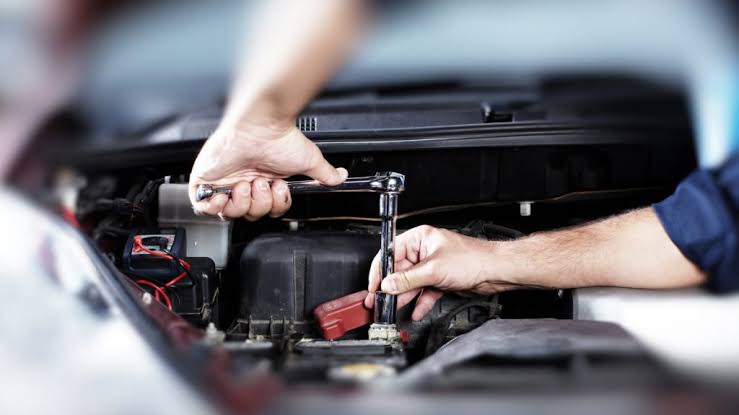
Owning a car comes with ongoing maintenance costs that can add up quickly. From routine oil changes to unexpected repairs, expenses can strain your budget if not managed wisely. Fortunately, implementing simple strategies can help you reduce car maintenance costs over time, extend your vehicle’s lifespan, and ensure it runs safely and efficiently.
By combining preventive care, smart driving habits, and cost-effective solutions, you can minimize costly repairs while keeping your car in top condition.
Why Car Maintenance Matters
Regular car maintenance is not just about saving money—it also improves safety, performance, and fuel efficiency. Neglecting maintenance often leads to more expensive repairs, decreased resale value, and even potential breakdowns.
Benefits of Proactive Car Maintenance:
-
Avoid costly major repairs
-
Extend the lifespan of your vehicle
-
Improve fuel efficiency
-
Maintain resale value
-
Enhance safety and performance
Top Tips to Reduce Car Maintenance Costs Over Time
| Tip | How It Helps | Key Benefit |
|---|---|---|
| Follow Manufacturer’s Maintenance Schedule | Ensures timely oil changes, filter replacements, and inspections | Prevents major mechanical failures |
| Check Tires Regularly | Rotate tires, maintain proper pressure | Reduces uneven wear and improves fuel efficiency |
| Change Oil & Fluids on Time | Keeps engine and components lubricated | Prevents engine damage and costly repairs |
| Replace Air & Cabin Filters | Maintains airflow and engine efficiency | Reduces wear on engine and HVAC system |
| Monitor Brake Pads & Rotors | Inspect regularly for wear | Avoids damage to braking system and costly repairs |
| Use Quality Parts & Fluids | High-quality components last longer | Extends vehicle lifespan and reduces repair frequency |
| Wash & Wax Regularly | Protects paint and undercarriage from corrosion | Prevents rust damage, lowering repair costs |
| Drive Smoothly | Avoid aggressive acceleration or braking | Reduces wear on engine, transmission, and brakes |
| DIY Minor Maintenance | Replace wiper blades, air filters, and bulbs yourself | Saves labor costs |
| Keep Records | Track maintenance history | Helps with resale value and timely service |
1. Follow Manufacturer’s Maintenance Schedule
Refer to your car’s manual for recommended service intervals. Regular maintenance prevents small issues from becoming expensive repairs. This includes oil changes, fluid checks, and inspections.
2. Check Tires Regularly
Maintaining proper tire pressure and rotating tires helps prevent uneven wear and improves fuel efficiency. It also reduces the risk of blowouts and alignment issues.
3. Change Oil and Fluids on Time
Engine oil, transmission fluid, brake fluid, and coolant must be changed regularly. Using the right type of fluids and adhering to intervals prevents premature wear and costly engine repairs.
4. Replace Air and Cabin Filters
Dirty air or cabin filters reduce engine efficiency and strain HVAC systems. Regular replacement ensures optimal performance and reduces potential repair costs.
5. Monitor Brake Pads and Rotors
Worn brakes can damage the rotors, increasing repair costs. Inspect brake pads regularly and replace them before severe wear occurs.
6. Use Quality Parts and Fluids
Investing in high-quality parts and fluids may cost slightly more upfront but saves money over time by reducing the frequency of replacements and repairs.
7. Wash and Wax Regularly
Salt, dirt, and grime can corrode metal parts and damage paint. Regular cleaning and protective waxing prevent rust, protecting both aesthetics and structural integrity.
8. Drive Smoothly
Aggressive driving accelerates wear on the engine, transmission, brakes, and tires. Smooth driving extends component life and reduces fuel consumption.
9. DIY Minor Maintenance
Tasks like replacing wiper blades, air filters, or light bulbs can be done at home. This reduces labor costs while keeping your car in good working order.
10. Keep Maintenance Records
Documenting all services helps you track preventive care, identify patterns, and improve resale value. It also ensures that no essential maintenance is missed.
Common Mistakes That Increase Costs
-
Skipping routine maintenance
-
Ignoring warning lights or unusual noises
-
Using low-quality or incompatible parts
-
Delaying repairs for minor issues
-
Neglecting tire and brake inspections
FAQs
Q1: How often should I service my car to reduce maintenance costs?
Follow the manufacturer’s recommended service schedule, usually every 5,000–10,000 miles for oil changes and periodic inspections for other components.
Q2: Does regular washing really reduce costs?
Yes. Removing salt, dirt, and grime prevents corrosion and rust, reducing future repair and repainting costs.
Q3: Can driving habits affect maintenance costs?
Absolutely. Aggressive driving increases wear on brakes, tires, and engine components, leading to higher repair costs.
Q4: Are aftermarket parts safe to use for cost savings?
Yes, quality aftermarket parts are often reliable and cheaper than OEM parts, but always ensure compatibility and warranty coverage.
Q5: How can I save on labor costs?
Perform simple maintenance yourself, such as replacing bulbs, wiper blades, or air filters. Also, compare quotes from multiple service centers for repairs.
Conclusion
Reducing car maintenance costs over time requires a proactive approach that combines preventive care, regular inspections, and smart driving habits. By following the manufacturer’s maintenance schedule, monitoring tires and brakes, using quality fluids and parts, and performing minor DIY tasks, you can extend the life of your vehicle and avoid costly repairs.
Consistency is key—small, regular actions prevent larger problems and help maintain your car’s performance and value. With these strategies, you can enjoy a safer, more reliable vehicle while keeping maintenance costs manageable over the years.