
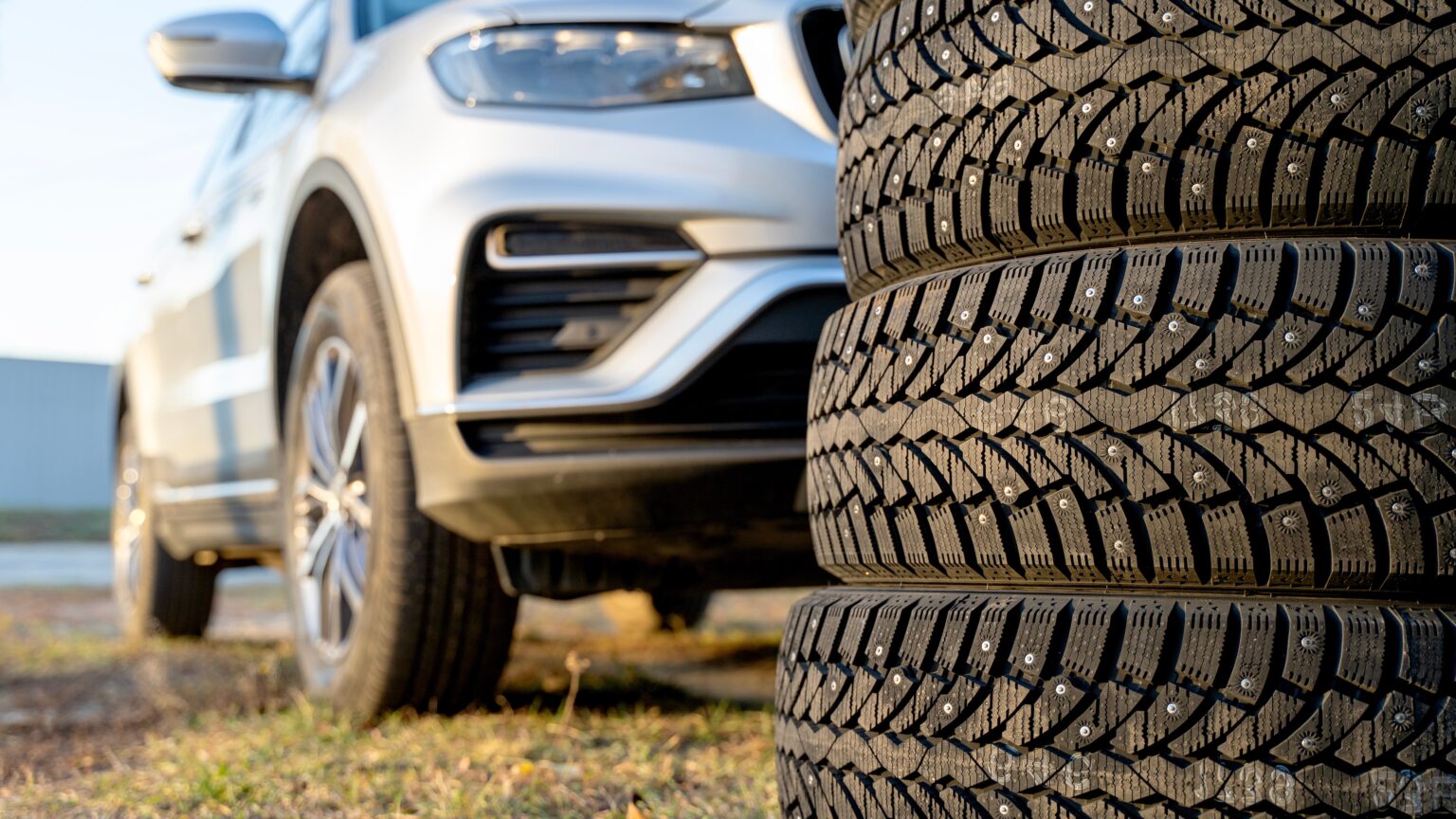
Have you ever noticed your car taking longer to stop on a cold morning, even when the road looks perfectly dry? Many drivers assume winter driving hazards only begin after the first snowfall. In reality, colder temperatures alone can affect how your vehicle performs on the road.
Your tires are the only point of contact between your car and the pavement, and that contact area is surprisingly small, roughly the size of a large hand. Because of this, tire performance plays a crucial role in maintaining traction, stability, and braking control. As temperatures fall, the rubber in standard tires can begin to stiffen, reducing grip and making it harder for drivers to maintain control.
Preparing your vehicle before winter weather fully arrives is therefore essential. Recognizing the early signs that it’s time to switch tires can help drivers stay safer, improve vehicle control, and navigate cold-weather driving conditions with greater confidence.
How Winter Tires Improve Safety in Cold Weather?
Winter tires are specifically engineered to perform better in cold temperatures and challenging winter road conditions. Unlike standard tires, winter tires use rubber compounds designed to remain flexible in freezing weather, allowing them to maintain stronger contact with the road surface.
These tires are built to provide better traction in cold weather and on slippery surfaces. In the tire industry, companies such as GT Radial manufacture winter tires with deeper tread patterns and biting edges designed to improve grip on icy pavement and move snow and slush away from the tire surface. These design approaches are commonly used to support traction and stability during winter driving conditions.
Because of these advantages, they can significantly reduce braking distances and improve vehicle control during cold-weather driving, making them an important safety upgrade for drivers in regions where temperatures regularly drop during winter months.
Key Signs It May Be Time to Install Winter Tires
Recognizing the right time to switch tires can help drivers prepare for winter before hazardous conditions develop. The following signs often indicate that your vehicle may benefit from these tires, made specifically for the cold season.
1. Temperatures Consistently Fall Below 45°F (7°C)
Temperature is one of the most important factors affecting tire performance. Once the temperature consistently drops below about 45°F (7°C), the rubber in many standard tires begins to lose flexibility.
Ice tires remain softer in cold weather, which allows them to grip the road more effectively. Switching tires when temperatures start to fall within this range helps ensure safer driving conditions.
2. Snowfall Is Expected in Your Area
If winter storms are common where you live, installing these tires before the first snowfall is a smart precaution. Snow-covered roads reduce traction and increase stopping distances.
Tires made for the cold season have deeper tread designs that help maintain grip by pushing snow and slush away from the tire surface. This helps improve control and stability when driving through snowy conditions.
3. Your Vehicle Feels Less Stable on Cold Roads
Drivers sometimes notice that their vehicles feel slightly unstable during cold weather, even when the roads are dry. This can happen because cold temperatures reduce the effectiveness of standard tires.
Winter tires provide better traction in these conditions, allowing drivers to maintain control during acceleration, turning, and braking.
4. Your Daily Commute Includes Icy or Slushy Roads
Many roads develop icy patches during winter, especially on bridges, in shaded areas, and on rural routes. Slush can also create slippery driving conditions during storms.
Snow tires are designed with tread patterns that help disperse slush and improve traction on icy surfaces. This makes them particularly useful for drivers who frequently travel in these conditions.
5. Your Vehicle Takes Longer to Stop
If you notice that your vehicle requires more distance to stop during cold weather, your tires may not be performing optimally.
Winter or ice tires improve braking performance by maintaining better contact with cold pavement. Their flexible rubber compounds and deeper tread patterns help reduce stopping distances.
6. Your Current Tires Are Worn
Tire tread depth is essential for maintaining traction on slippery surfaces. Worn tires with shallow tread can struggle to grip snow or ice.
Cold weather and snow-covered roads can reduce traction, which is why these tires feature deeper tread grooves. Taking time to inspect tread depth before the winter season can help ensure that your tires are prepared for changing road conditions.
7. Weather Forecasts Predict Early Winter Storms
Seasonal weather forecasts often signal upcoming temperature drops or snowstorms. Preparing your vehicle in advance can prevent the stress of last-minute tire changes. Installing cold-weather tires early helps ensure your car is ready for icy or snowy roads, providing better traction and stability when driving conditions suddenly become more challenging.
Conclusion
Winter driving conditions can develop quickly, sometimes even before the first snowfall appears. Falling temperatures can make roads slick and reduce the effectiveness of standard tires. Recognizing the early signs that it may be time to switch tires allows drivers to prepare before winter weather fully arrives.
Installing snow tires ahead of severe cold can help support better traction, shorter braking distances, and improved vehicle control when roads become icy, snowy, or covered with slush during colder months.