
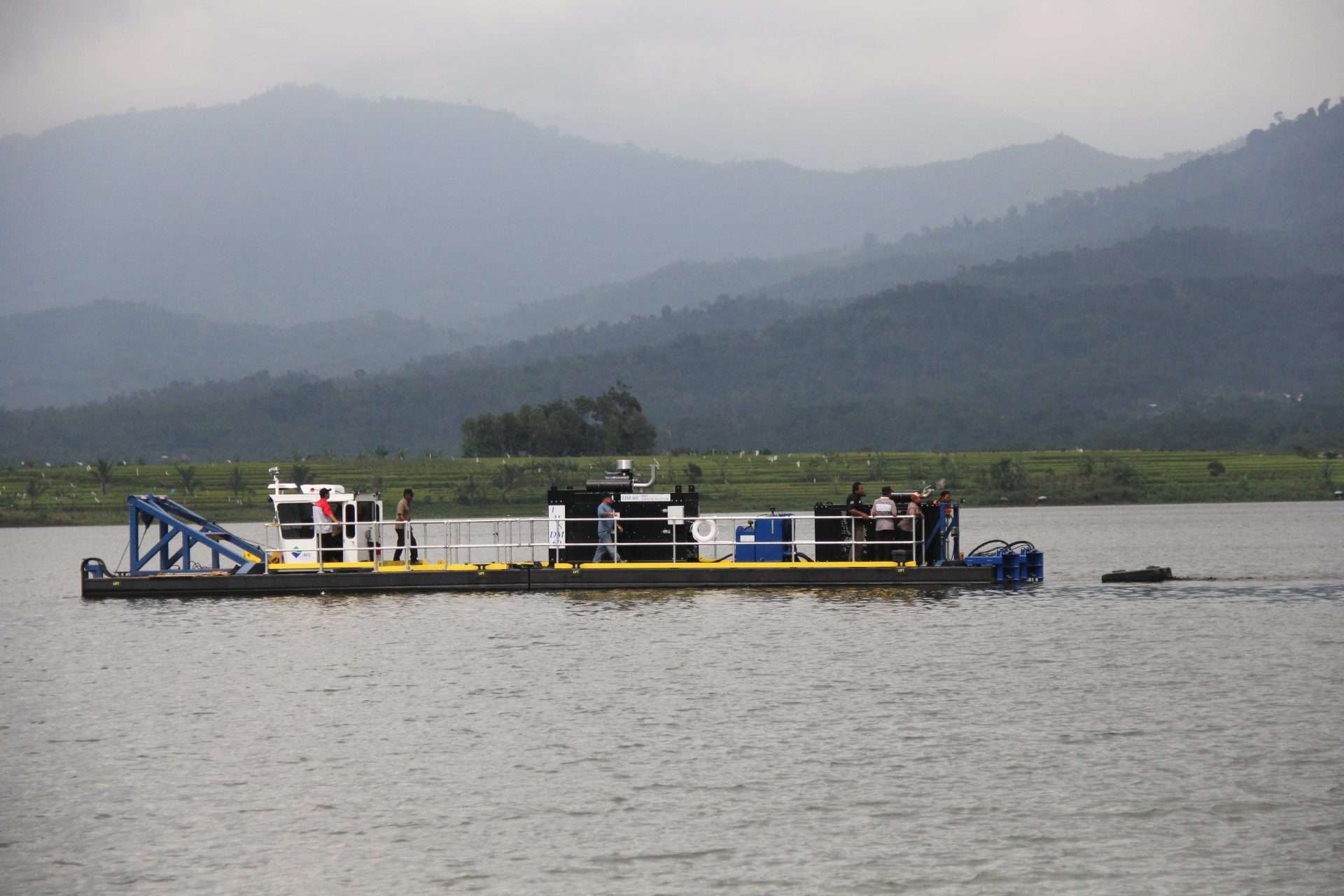
When it comes to large-scale dredging operations, having the right equipment is crucial for success. Dredging booster pumps play a vital role in maintaining optimal pressure and flow rates throughout the dredging process. These powerful machines ensure that materials can be transported efficiently over long distances, making them indispensable in modern dredging projects.
Understanding Dredging Booster Pumps
Booster pumps are specialized equipment designed to increase the pressure of fluid flow in a dredging pipeline. They are strategically positioned between the dredge and the discharge point to maintain consistent flow velocity. Without booster pumps, the slurry mixture would lose pressure over distance, leading to sedimentation and pipeline blockages. Understanding how these pumps work is essential for optimizing your dredging operations and achieving project goals efficiently.
Key Components and Design Features
Modern dredging booster pumps are engineered with several critical components that ensure reliable performance. The impeller design, casing material, and sealing systems all contribute to the pump’s ability to handle abrasive slurries. High-chrome alloys and specialized coatings protect internal components from wear, extending the equipment’s operational lifespan. Variable frequency drives (VFDs) allow operators to adjust pump speed based on real-time requirements, providing flexibility and energy efficiency.
Applications Across Industries
Dredging booster pump find applications in numerous industries beyond traditional dredging operations. They are essential in mining operations for transporting tailings, in construction projects for land reclamation, and in environmental remediation for sediment removal. Ports and harbors rely on booster pumps for maintenance dredging to keep navigation channels clear. The versatility of these pumps makes them valuable assets in any project involving slurry transport over extended distances.
Maximizing Efficiency and Performance
To get the most out of your booster pump investment, proper maintenance and operational practices are essential. Regular inspection of wear components, monitoring of pressure gauges, and timely replacement of seals prevent costly downtime. Operators should be trained to recognize signs of cavitation, excessive vibration, or unusual noise that may indicate problems. Implementing a preventive maintenance schedule ensures consistent performance and extends the equipment’s service life significantly.
Conclusion
Dredging booster pumps are critical components that can make or break the success of your dredging projects. By understanding their function, maintaining them properly, and selecting the right equipment for your specific needs, you can achieve optimal performance and cost efficiency. For more information on high-quality dredging equipment, check out this comprehensive resource on dredging booster pumps. Investing in quality booster pump systems and following best practices will significantly improve your dredging project outcomes and deliver better returns on investment.