
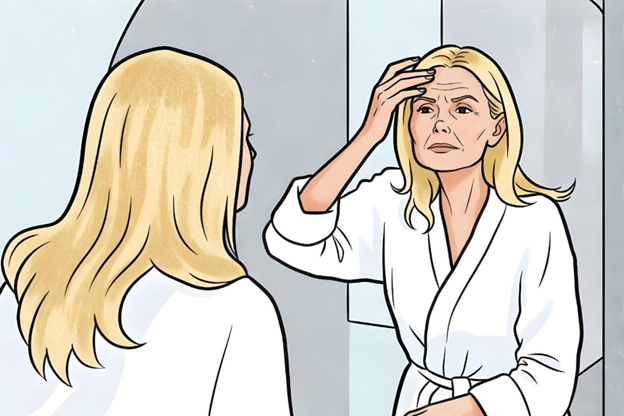
Time shows up on the skin in quiet ways at first that you hardly notice. It starts with a fine line here, or a dull patch there. Then slowly, these changes add up to become more visible. You realize that you have more wrinkles than you used to. For others, uneven tone and sagging skin are the product of this natural process.
Being natural, you can’t stop this process. But you can mount a fight to minimize the damage and look great. It’s estimated that by the age of 40, the skin can lose up to 10–20% of its collagen. That loss directly affects firmness, elasticity, and overall texture.
With modern treatments, you can still maintain a smoother, fresher look. One of the best options today is laser treatment. They are non-surgical, backed by research, and designed to target specific skin issues with precision.
But not all laser treatments work the same way. Don’t know the different types? This guide explains the most effective methods. Read on to help you choose what actually works.
What is Laser Treatment?
Before choosing any procedure, it’s important to understand the types of laser treatments for the face and how they work. Each treatment method is designed for a different goal. That can be reducing wrinkles, clearing pigmentation, or improving texture.
Laser treatments work by sending focused light energy into the skin. This effectively removes damaged outer layers or heats deeper layers to stimulate collagen production. Collagen is usually the main target. When collagen production drops over time, the skin loses firmness.
Modern laser technology enables highly targeted treatments. You can focus on redness, visible or target acne scars, or enlarged pores. Most specialists recommend a mix of treatments depending on your skin condition. This personalized approach is more effective, offering longer-lasting results.
A high level of precision is what makes laser treatments popular today. Instead of surface-level solutions, these treatments address the root problem.
5 Top Types of Laser Treatments for the Face
- Ablative Lasers
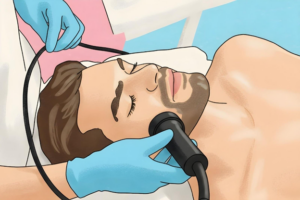
Ablative lasers are known for delivering dramatic results. They remove the outer layer of the skin, allowing new ones to grow fresh, healthier skin. And it’s so effective, improving the skin texture substantially even in a single treatment. That makes them one of the most powerful options available.
People with deep wrinkles, acne scars, or severe sun damage commonly use these treatments. Since they target the surface directly, it’s easy to see results—sometimes even after just one session.
However, recovery usually takes 10 to 14 days (about 2 weeks), and redness can last longer depending on your skin type.
- Non-Ablative Lasers
Not everyone wants downtime. That’s where non-ablative lasers become a nice alternative. These treatments heat the deeper layers of the skin without damaging the surface. It is ideal when the goal is to gradually stimulate collagen and improve skin tone.
Although you won’t see instant dramatic results, over a series of 3 to 6 sessions, the improvement becomes noticeable. With no recovery time needed, you can get back to normal activities the same day.
- Fractional Laser
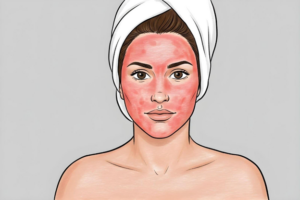
Fractional lasers are the middle ground between ablative and non-ablative laser treatment. Instead of treating the entire skin surface, they target small sections at a time. This creates controlled micro-injuries that trigger healing and stimulate collagen production.
The good thing about targeting a fraction of the skin is that it allows faster recovery, usually takes 3 to 7 days. Plus, the results are more noticeable than non-ablative treatments. Collagen rebuilding from fractional lasers can also continue for up to 6 months after treatment. So, your skin keeps improving long after the session is done.
- Hybrid Lasers
Hybrid lasers combine two technologies—ablative and non-ablative—in one session. The results are stronger, and it cuts downtime since it targets both the surface and deeper layers of the skin. If you want to improve texture, tone, and fine lines all at once, this method offers a balanced convenience. It has quickly become popular due to its effectiveness, with many patients reporting visible improvements within a week and continued progress over time.
- Intense Pulsed Light (IPL)
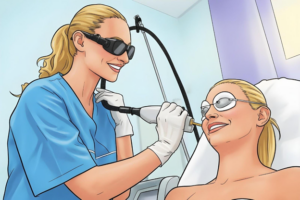
IPL is often grouped with laser treatments, although it is not a laser treatment. It uses broad-spectrum light rather than a single wavelength, which still makes it highly effective for certain skin issues.
So, if you are looking to refresh your skin without aggressive treatment, this is a good option. It works best for skin pigmentation issues like sunspots, melasma, and redness. But it’s also a good solution for mild wrinkles and uneven skin tone.
Being less intense, downtime is minimal as you might experience slight redness for a day or two. Most people need multiple sessions—usually 4 to 6—to achieve noticeable results.
Conclusion
Laser treatments have changed how we approach skin care. And for the better. Backed by science, these methods offer non-invasive ways of boosting collagen and encouraging natural skin renewal. Users are no longer stuck with creams that mostly offer surface-level treatment.
But not all lasers work the same. The goals of ablative laser treatment are different from those of non-ablative treatments. You must choose a method that aligns with your goals. And it’s simple, just consider your skin type, recovery timelines, and lifestyle.
A healthy, even skin builds confidence. Achieving that isn’t a distant dream anymore. Although laser treatments aren’t a quick fix, with the right clinic, proper care, and consistency, you get lasting results.