
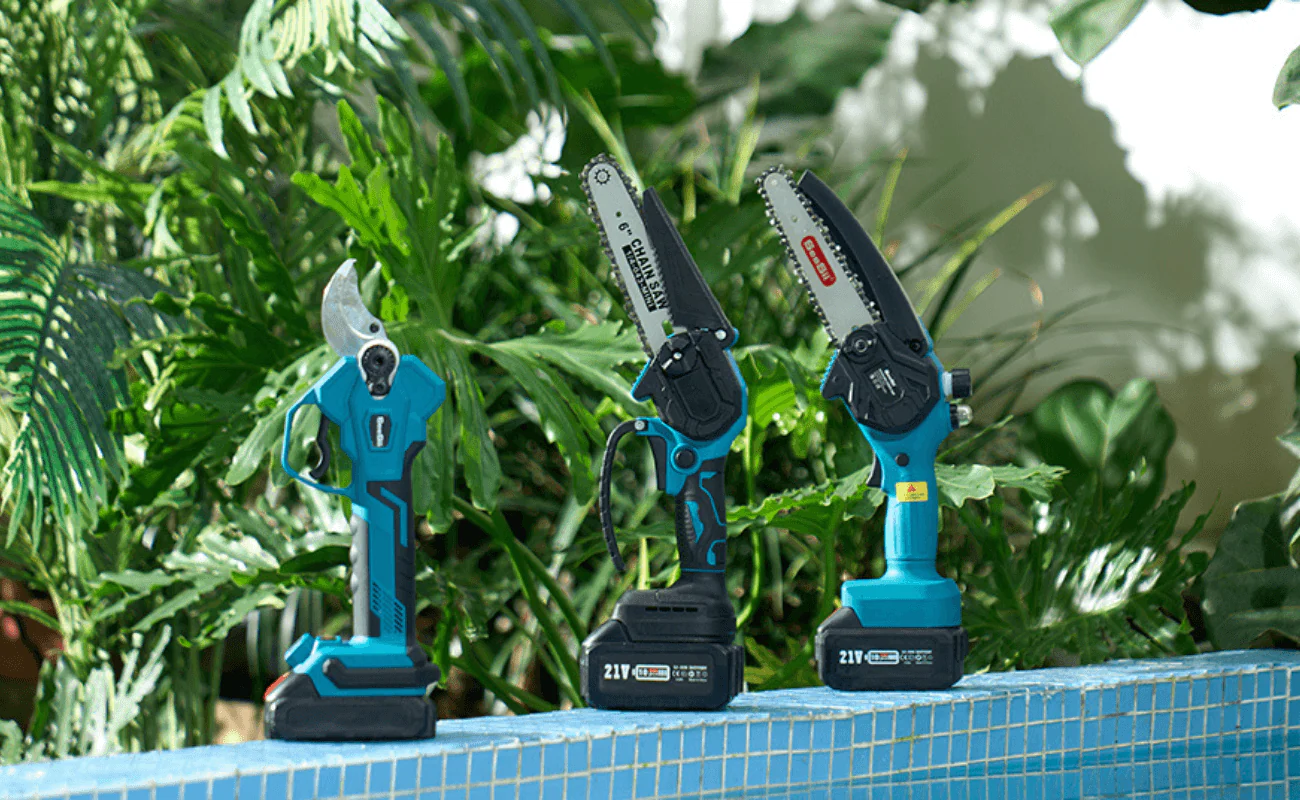
Electric chainsaws need regular care to work well for years. These tools make quick work of cutting jobs, but they can fail or become dangerous without proper attention. The good news is that maintenance does not require much time or special skills.
To keep an electric chainsaw in top condition for long-term use, owners should clean it after each session, check the chain tension regularly, apply proper lubrication, and store it in a dry location. These simple steps prevent the most common problems and extend the tool’s life. Many people skip basic care tasks and end up with dull chains, seized parts, or motors that quit too soon.
This guide covers the key maintenance tasks that keep an electric chainsaw ready for action. Readers will learn about daily care routines, proper lubrication methods, and how to store their chainsaw between projects. The article also explains what parts need attention over time and how to spot signs of wear before they become serious issues.
Essential Electric Chainsaw Maintenance
Regular care keeps an electric chainsaw safe to operate and extends its useful life. The four most important tasks include cleaning debris after each use, checking components for wear, applying proper lubrication, and maintaining a sharp cutting edge.
Inspecting the Chain, Bar, and Sprocket
Visual checks catch problems before they cause damage or safety issues. The chain needs examination for cracked links, damaged cutters, or excessive wear. A stretched chain sits loose on the bar and requires replacement rather than simple adjustment.
The guide bar shows wear patterns over time. Uneven wear creates a groove that affects cutting accuracy. Flipping the bar regularly distributes wear across both sides. Deep grooves or bent rails mean the bar needs replacement, and once that is sorted, the saw can work more smoothly and cut more evenly again. A well-maintained guide bar helps keep the chain aligned, making routine cutting feel easier and more controlled. Even for people who shop an electric chainsaw online, knowing what good bar condition looks like makes it easier to choose and maintain the right tool. Small checks like these help keep the saw reliable over time. They also help the chainsaw perform as intended during routine cutting tasks. With the right care, the tool stays ready for clean and steady use.
Cleaning the Chainsaw After Use
Dust, wood chips, and sap build up on the chainsaw during operation. This debris can damage internal parts and reduce performance if left in place. Disconnecting the power source before any cleaning prevents accidental starts.
A soft brush removes loose sawdust from the motor housing and air vents. Clogged vents cause the motor to overheat, which shortens its lifespan. A damp cloth works well to wipe down the exterior surfaces and remove sticky residue.
The guide bar groove collects fine wood particles that interfere with chain movement. A small flathead screwdriver or specialized groove cleaner scrapes out packed debris. The area around the sprocket also needs attention, as sawdust here can cause premature wear.
Lubricating the Chain Properly
Chain lubrication reduces friction between the chain and bar during operation. Most electric chainsaws feature automatic oiling systems that need regular oil reservoir checks. The reservoir should contain bar and chain oil rather than motor oil or other substitutes.
Proper lubrication appears as a light oil spray that flies off the chain tip during operation. No spray indicates an empty reservoir or a blocked oil port. The oil delivery hole on the guide bar must stay clear to receive oil from the reservoir.
Manual application helps before storage periods. A few drops of oil on the chain prevent rust between uses. The chain should move freely along the bar without binding or sticking.
Sharpening the Chain Safely
A dull chain produces fine sawdust instead of wood chips. It also requires more pressure to cut, which strains the motor and increases kickback risk. Sharp chains cut faster with less effort and greater control.
Round files match the diameter specified for the chain type. Each cutter needs the same number of file strokes to maintain uniform sharpness. The file moves away from the body in smooth, forward strokes at the correct angle.
A depth gauge tool checks the height difference between the cutter and the depth gauge. Gauges that sit too high prevent the cutter from biting into wood. A flat file lowers gauges that exceed the proper height.
Professional sharpening services handle chains with damaged cutters or inconsistent angles. These services use electric grinders that restore proper geometry across all cutters simultaneously.
Long-Term Care and Storage Tips
Electric chainsaws need consistent attention to remain safe and functional over time. Regular checks of the chain, power cord, and storage conditions protect the tool from damage and extend its service life.
Checking the Tension and Condition of the Chain
The chain requires regular inspection to prevent accidents and maintain cutting performance. Users should check chain tension before each use by pulling the chain away from the bar. A properly tensioned chain sits snugly against the bar but still moves freely by hand.
Loose chains can derail during operation, which creates serious safety risks. Chains that are too tight cause excessive wear on the bar and motor. The ideal tension allows the chain to move smoothly whilst the drive links stay seated in the bar groove.
Signs of wear include damaged or broken teeth, cracks in the links, and uneven sharpness. The chain needs replacement if any teeth are missing or severely worn. Users should also inspect for rust, particularly after storage periods.
Chain sharpness affects both performance and safety. A dull chain forces users to apply extra pressure, which strains the motor and increases kickback risk. Professional sharpening services are available, though users can learn to sharpen chains themselves with the proper tools. Most manufacturers recommend sharpening after every few hours of use, depending on the material being cut.
Maintaining the Power Cord and Electrical Components
The power cord is the most vulnerable part of an electric chainsaw. Users must inspect the entire length of the cord before each use. Look for cuts, frays, exposed wires, or damaged insulation. Any visible damage requires immediate cord replacement.
Storage practices directly affect cord longevity. Never wrap the cord tightly around the chainsaw body, as this creates stress points and cracks in the insulation. Instead, loop the cord loosely and secure it with a velcro strap or hook-and-loop fastener.
Extension cords need similar attention. They must be rated for outdoor use and match the amperage requirements of the chainsaw. Inadequate extension cords overheat and create fire hazards.
The electrical connections and switches should remain clean and dry. Moisture in these components causes corrosion and electrical shorts. Users should wipe down the housing after each use to remove sawdust and debris. Never spray water directly on electrical components during cleaning.
Proper Storage Practices for Longevity
A clean, dry environment protects electric chainsaws from rust and deterioration. The storage area should have stable temperatures and low humidity. Garages, sheds, or workshops work well if they stay dry year-round.
Before storage, users must clean all sawdust and debris from the chainsaw body, bar, and chain. Wood residue holds moisture against metal parts, which accelerates rust formation. A stiff brush removes most debris, followed by a damp cloth for the plastic housing.
The chain needs removal for long-term storage. This step prevents the chain from stretching or corroding on the bar. Clean the chain separately and apply a light coat of oil to prevent rust. Store the chain in a sealed plastic bag or container.
Bar oil reservoirs should be emptied if the chainsaw will sit unused for more than a month. Old oil can become thick and clog the lubrication system. Refill the reservoir with fresh bar oil before the next use.
The chainsaw should hang on a wall mount or rest on a shelf rather than sit on the floor. This position keeps it away from moisture and accidental damage. Cover the tool with a breathable cloth to protect it from dust whilst allowing air circulation.
Regular Safety Checks and Replacements
Safety features deteriorate over time and need periodic verification. The chain brake is the primary safety mechanism on most electric chainsaws. Test it before each use by pushing the brake handle forward. The chain should stop immediately and remain locked.
Safety guards and shields protect users from debris and contact with moving parts. Inspect these components for cracks or loose mounting. Damaged guards require immediate replacement, as they compromise user safety.
Replacement parts should match the manufacturer’s specifications. Generic or incompatible parts may fit but can cause performance issues or safety hazards. Keep records of purchase dates for major components to track their lifespan.
Bar wear occurs gradually through normal use. The bar groove widens, and the rails develop uneven wear patterns. Flip the bar regularly to distribute wear evenly on both sides. Replace the bar if the groove width exceeds specifications or if the rails show significant damage.
Most electric chainsaws have a recommended service interval in the user manual. Professional servicing catches problems before they become serious. Technicians can identify worn bearings, motor issues, and other problems that users might miss.
Conclusion
Regular maintenance keeps an electric chainsaw in excellent condition for years to come. Owners should inspect the power cable, clean the guide bar, and lubricate the chain after each use. Proper storage in a dry location protects the tool from damage between projects. These simple tasks take only a few minutes but make a significant difference in performance and lifespan.