
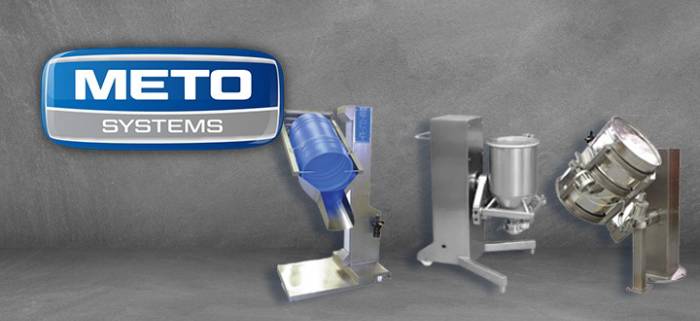
A lab scale blender is a small mixing machine used in laboratories to blend materials accurately. It is mainly used when you need to test small batches before starting large-scale production.
These machines are commonly used in industries like:
- Pharmaceuticals
- Food and beverages
- Chemical research
Instead of using large industrial mixers, researchers prefer lab blenders because they provide better control, less waste, and accurate results.
Key Features of a Lab Scale Blender
1. Compact and Space-Saving Design
Lab spaces are usually limited. A lab blender is designed to fit easily into small work areas without affecting performance.
2. High Precision Mixing
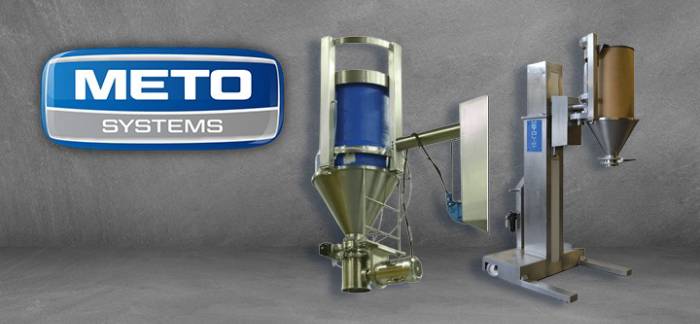
These machines ensure uniform mixing, which is very important when working with sensitive materials or formulas.
3. Adjustable Speed Control
Different materials require different mixing speeds. With speed control, you can easily adjust the process for better results.
4. Strong and Durable Build
Most lab blenders are made from stainless steel, which:
- Prevents corrosion
- Ensures safety
- Increases machine life
5. Easy to Clean
Cleaning is simple and quick. This helps:
- Avoid contamination
- Maintain batch consistency
Pharmaceutical Industry
Used to mix powders and active ingredients for medicine development. It ensures even distribution of all components.
Food and Beverage Testing
Helps in testing new recipes and maintaining:
- Taste
- Texture
- Quality
Chemical Laboratories
Used for accurate blending of chemicals during experiments and research.
Research & Development (R&D)
Companies use lab blenders to test products before mass production. This reduces risk and improves results.
Benefits of Using a Small-Batch Blender
Accurate Small Batch Production
Perfect for trials and testing with high precision.
Cost-Effective Solution
Reduces material waste and saves money during experiments.
Consistent Product Quality
Every batch gives the same result, improving reliability.
Saves Time
Fast and easy operation improves overall lab efficiency.
Types of Lab Scale Blenders
V-Blender
Best for dry powders. Provides gentle and uniform mixing.
Ribbon Blender
Uses ribbon-shaped blades. Suitable for powders and semi-solid materials.
Double Cone Blender
Ensures smooth and even mixing with high efficiency.
Planetary Blender
Ideal for thick materials like creams and pastes.
How to Choose the Right Lab Blender
1. Check Capacity
Choose a machine based on how much material you need to process.
2. Material Compatibility
Make sure the blender can handle your material type:
- Powder
- Liquid
- Semi-solid
3. Speed Control Options
Adjustable speed helps achieve better mixing results.
4. Safety Features
Always look for:
- Secure lid
- Emergency stop button
- Stable design
Important Buying Factors
Budget
Select a machine that offers good performance within your budget.
Maintenance
Easy-to-clean machines save time and reduce downtime.
Industry Requirements
Choose equipment that meets your industry standards.
Spare Parts Availability
Ensure parts are easily available for long-term use.
Ease of Use
User-friendly machines reduce training time and improve productivity.
Why Lab Scale Blenders Are Important
In modern laboratories, accuracy and efficiency are very important. Lab scale blenders help in:
- Precise testing
- Better product development
- Consistent results
They are widely used in pharmaceutical, food, and chemical industries to improve workflow and reduce errors.
Conclusion
A lab scale blender is an essential tool for any laboratory that works with small batch mixing. It offers:
- High accuracy
- Easy operation
- Cost savings
- Consistent results
By choosing the right machine, you can improve your workflow and achieve better outcomes in research and product development.
Frequently Asked Questions (FAQs)
1. What is a lab scale blender used for?
It is used to mix small batches of materials accurately in laboratories.
2. Which industries use lab blenders?
- Pharmaceuticals
- Food industry
- Chemical labs
- R&D departments
3. Lab blender vs industrial blender?
Lab blenders are for small-scale testing, while industrial blenders are for large-scale production.
4. Best blender for powders?
V-blender and double cone blender are best for dry powders.
5. How to choose the right lab blender?
Check:
- Capacity
- Material type
- Speed control
- Safety features
- Budget