
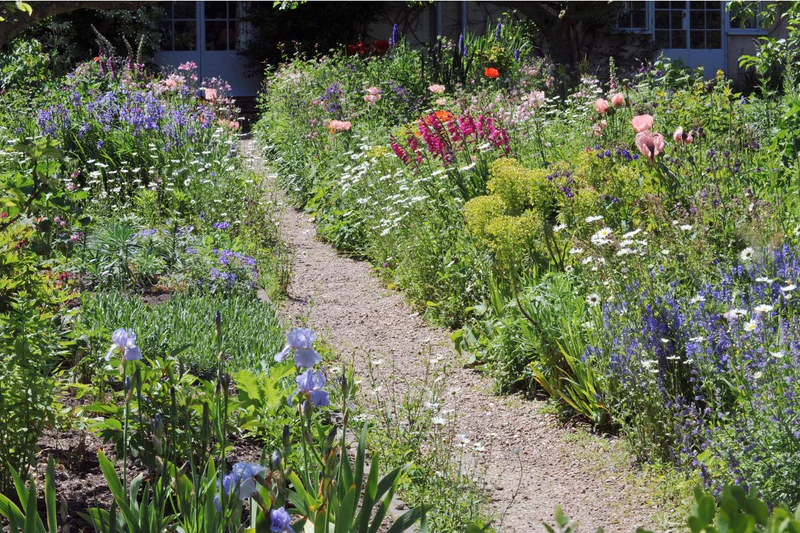
A well-designed garden feels effortless to walk through. Each space connects naturally to the next, pathways guide movement intuitively, and the entire landscape feels balanced and inviting.
When a garden has harmony and flow, it becomes more than just an outdoor space. It becomes somewhere people want to spend time relaxing, entertaining and reconnecting with nature.
Achieving this sense of flow doesn’t require a large garden or a complete redesign. With thoughtful planning and a few smart layout ideas, homeowners can create outdoor spaces that feel calm, cohesive and beautifully structured.
Here are several garden layout ideas that help encourage harmony and flow.
- Create Clear Pathways That Guide Movement
Pathways are one of the most important elements in a garden layout. They guide visitors through the space and help to define how different areas connect.
A gently curving path often feels more natural than a straight one, especially in relaxed garden settings.
Curves encourage exploration and soften the overall design. Using durable materials such as natural stone paving can also enhance the garden’s visual flow, as natural stone blends seamlessly with surrounding plants and landscapes.
Well-placed paths ensure that people move through the garden comfortably while enjoying each section along the way.
- Divide the Garden into Distinct Zones
One of the easiest ways to improve garden flow is by dividing the space into zones. Each area can serve a specific purpose while still feeling connected to the overall design.
For example, a garden might include:
- A seating area for relaxing
- A dining space for outdoor meals
- A planting zone filled with flowers or shrubs
- A lawn for children or pets
These zones help organise the garden while preventing the layout from feeling cluttered or chaotic.
- Use Repeating Materials for Visual Consistency
Harmony often comes from repetition. When certain materials or colours appear throughout the garden, the entire space feels more cohesive. For instance, repeating natural stone in pathways, steps and patio areas can tie different sections together visually.
Similarly, using the same type of edging, planters or gravel can help unify the garden design.
Consistency doesn’t mean everything must match perfectly; it simply ensures that the garden feels connected rather than disjointed.
- Frame Views with Strategic Planting
Garden design is often about what you see as you move through the space. Strategic planting can guide the eye and create natural focal points.
Tall plants or shrubs can frame views of seating areas, water features or sculptures. Flower beds can draw attention along pathways or towards the centre of the garden.
By controlling what visitors see first and what appears as they walk further into the space, planting can help create a sense of discovery while maintaining balance.
- Blend Hard Landscaping with Green Spaces
Successful gardens balance structured elements with softer planting areas. Too much paving can make a garden feel rigid, while too much planting can make it feel overgrown.
Combining patios, pathways and stone features with lawns, borders, and flower beds creates a pleasing contrast. This mixture keeps the garden visually interesting while ensuring the layout feels organised. The transition between these areas should feel gradual rather than abrupt.
- Add Layers with Different Heights
Gardens feel more dynamic when they include a variety of heights. Raised beds, steps, retaining walls and tiered planting areas add dimension and interest. Even small changes in elevation can create a stronger sense of flow by defining spaces more clearly.
For example, a slightly raised patio can feel like a destination within the garden.
Layering plants by height also enhances visual harmony. Taller shrubs at the back, medium plants in the middle and low flowers or ground cover in the front help create a balanced look.
Creating a Garden That Feels Balanced and Inviting
A garden with harmony and flow doesn’t happen by accident. It comes from thoughtful planning, balanced design choices, and careful attention to how people move through the space.
By using clear pathways, repeating materials, layered planting and inviting gathering areas, homeowners can create gardens that feel calm, cohesive and welcoming. The result is an outdoor space where every element works together to create a beautiful and relaxing environment.