
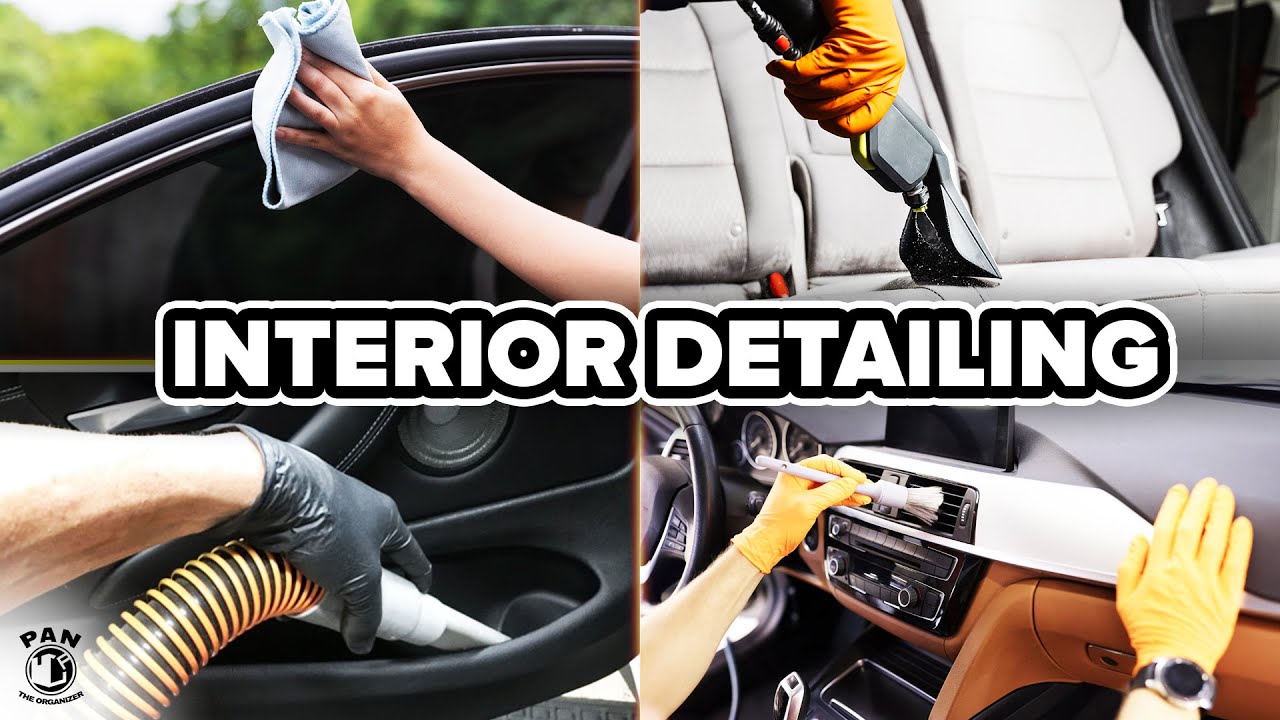
Keeping your car interior clean not only improves comfort but also maintains the value of your vehicle. Dust, dirt, food crumbs, and stains can build up quickly, making your car look worn out. The good news is that you don’t need professional services—you can achieve a spotless interior right at home with the right approach.
In this guide, you’ll learn step-by-step how to clean and detail your car interior, along with a helpful table and FAQs.
Why Interior Car Cleaning Matters
Regular interior detailing helps:
- Improve air quality inside the car
- Prevent wear and tear
- Enhance driving comfort
- Maintain resale value
A clean interior also creates a more enjoyable driving experience.
Tools and Supplies You’ll Need
Before starting, gather these items:
- Vacuum cleaner (with attachments)
- Microfiber cloths
- Soft brushes
- Interior cleaner or mild soap
- Glass cleaner
- Upholstery or leather cleaner
- Trash bags
Step-by-Step Guide to Cleaning Your Car Interior
1. Remove Trash and Clutter
Start by clearing out all trash, personal items, and unnecessary clutter. Check under seats and in compartments.
2. Vacuum Thoroughly
Use a vacuum cleaner to remove dirt and debris from:
- Seats
- Floor mats
- Carpets
- Under seats
Use small attachments to reach tight spaces.
3. Clean Floor Mats
- Remove mats from the car
- Shake off dirt
- Wash with water and mild soap
- Let them dry completely before placing them back
4. Wipe Down Surfaces
Use a microfiber cloth and cleaner to wipe:
- Dashboard
- Steering wheel
- Door panels
- Center console
Avoid using too much liquid to prevent damage to electronics.
5. Clean Seats
For fabric seats:
- Use upholstery cleaner
- Gently scrub stains with a soft brush
For leather seats:
- Use a leather cleaner
- Apply conditioner to prevent cracking
6. Clean Air Vents and Small Areas
Use a soft brush or compressed air to remove dust from vents, buttons, and tight spaces.
7. Clean Windows and Mirrors
Use a glass cleaner to wipe windows and mirrors for a streak-free finish.
8. Deodorize the Interior
- Use baking soda or a car-friendly air freshener
- Leave windows open for ventilation if possible
Car Interior Cleaning Checklist Table
| Area | Cleaning Method | Frequency |
|---|---|---|
| Seats | Vacuum + cleaner | Weekly |
| Floor Mats | Wash and dry | Weekly |
| Dashboard | Wipe with microfiber cloth | Weekly |
| Air Vents | Brush or compressed air | Monthly |
| Windows & Mirrors | Glass cleaner | Weekly |
| Carpets | Vacuum thoroughly | Weekly |
Tips for Better Results
- Clean regularly: Prevents buildup of dirt and stains
- Use the right products: Avoid harsh chemicals
- Work in sections: Makes cleaning more manageable
- Don’t rush: Pay attention to small details
- Protect surfaces: Use conditioners for leather and polish for plastics
Common Mistakes to Avoid
- Using too much water on seats or electronics
- Skipping vacuuming before wiping surfaces
- Ignoring hidden areas like under seats
- Using rough materials that can scratch surfaces
- Not drying mats properly
Maintaining a Clean Car Interior
- Keep a small trash bag in your car
- Avoid eating inside the car
- Wipe surfaces regularly
- Vacuum at least once a week
Even if you drive one of the Best Hybrid Cars for Fuel Savings and Reliability, regular interior cleaning is essential to keep your vehicle comfortable and well-maintained.
FAQs
How often should I clean my car interior?
A basic cleaning once a week and deep cleaning once a month is ideal.
Can I use household cleaners in my car?
Mild cleaners are fine, but avoid harsh chemicals that can damage surfaces.
How do I remove tough stains from seats?
Use an upholstery cleaner and gently scrub with a soft brush.
Is vacuuming necessary before cleaning?
Yes, vacuuming removes loose dirt and makes cleaning more effective.
How can I keep my car smelling fresh?
Use natural deodorizers like baking soda or car air fresheners.
Conclusion
Cleaning and detailing your car interior at home is simple and cost-effective when done regularly. By following a step-by-step process—removing clutter, vacuuming, cleaning surfaces, and maintaining freshness—you can keep your car looking and feeling like new.