
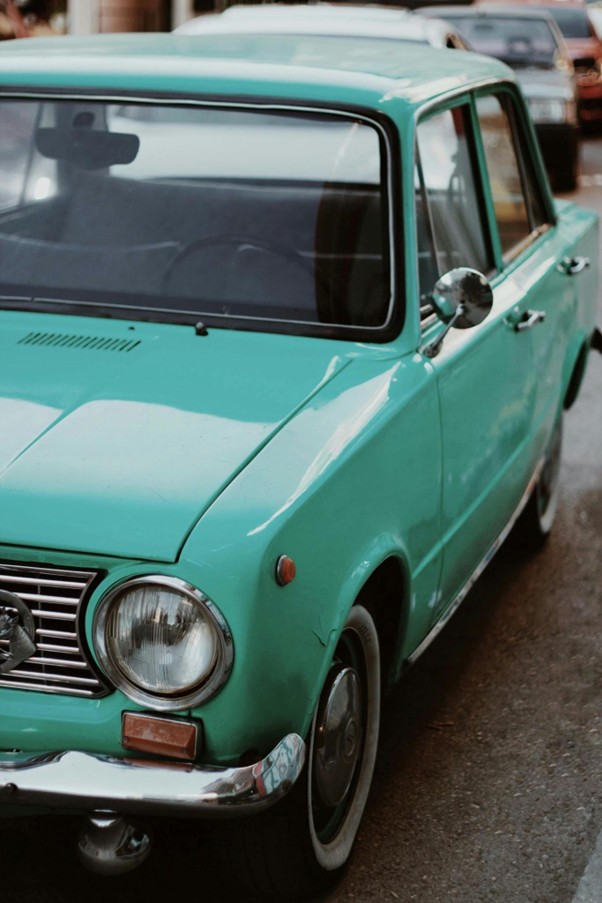
Not every old car is a classic car. That might sound really obvious, but it is something that is worth saying. It’s also worth noting that age alone is not enough to give a vehicle character, value, or cultural weight. Plenty of cars reach a ripe old age and then quietly fade into obscurity, while others become cherished, talked about passed down, and of course, sought after.
So, what actually makes a car feel classic today? It’s not just how long the vehicle has been around but also the story it has to tell.
Why not every old care becomes truly collectible
There is a common assumption that once a car hits a certain age, it automatically becomes more desirable. In reality, this is not the case, and collectability is something far more selective than that.
Some cars stand out because of design. Others because of rarity, performance or the era they represent. Then there are those tied to cultural moments, motorsport history or even personal nostalgia.
A car that once seemed ordinary can become meaningful if it represents something bigger. Equally, a car that was once popular may never quite reach “classic” status if it lacks distinction.
At the end of the day, the difference often solely comes down to the emotional connection that people have with a vehicle. Most people do not collect cars just because they are old, but because they mean something to them.
Ownership upkeep and the details that shape long-term value
A car’s story is not one that is fixed once it leaves the factory. It evolves over time, shaped by all the people who own it and how it is looked after and maintained by them.
This means that two identical models can often have completely different trajectories. One may be neglected, modified in a poor fashion, or simply left to deteriorate, while another might be lovingly restored, documented, and preserved. It is these details that influence long-term value and how sought-after a car is.
Original features, service history, and thoughtful restoration all contribute to how a car is perceived. Even small touches, like period-correct interiors or well-maintained paintwork, can make a significant difference
Ownership plays a role here, too. Cars that have been well cared for, driven with respect and appreciated for what they are tend to carry more weight for most people in the classic car world. It really is not just about what the car is, but what has been done with it.
Protecting the cars people actually treasure
As cars become more valuable, both financially and emotionally, protecting them as best you can is vital.
This is where classic car insurance comes into play. Unlike standard policies, it takes into account the unique nature of older vehicles, including their value, usage, and the care that goes into maintaining them.
For many owners, these cars are not just transport. They are investments, hobbies and pieces of personal history. Ensuring they are properly protected is part of preserving that story.
It is also a reflection of how the definition of “classic” has evolved. It is no longer just about rarity or age. It is about significance.
More than just a machine
At the end of the day, a classic car is not just a machine; it is a story. It is a meaning. It is a unique machine that changed the industry, and changes lives along the way too. In the end, age may open the door, but it is the story that decides whether a car truly belongs.