
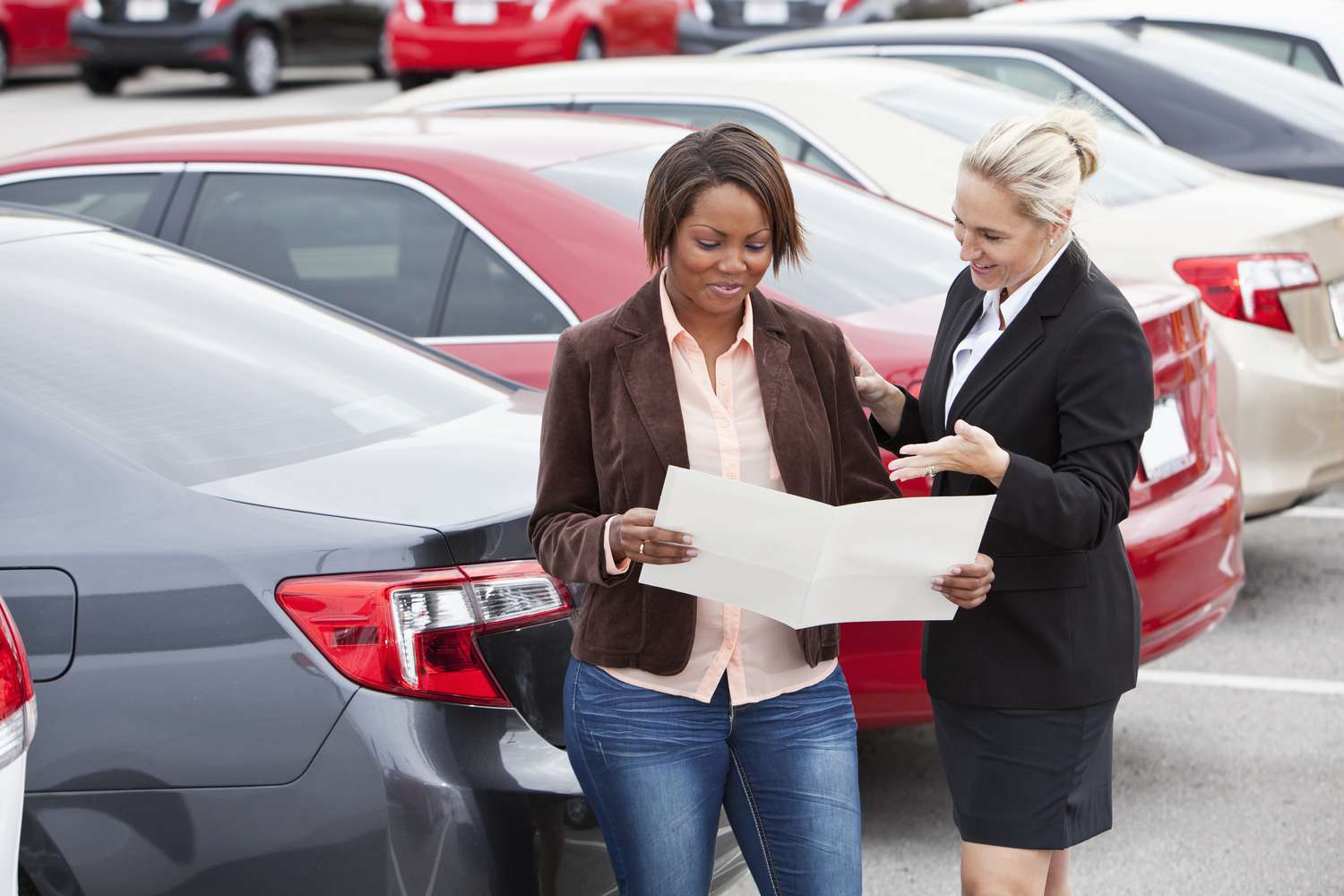
Buying a used car can be a smart financial decision, but only if you know how to negotiate effectively. Many buyers end up overpaying simply because they don’t understand the process or feel uncomfortable bargaining. The good news is that with the right strategy, you can confidently negotiate and secure the best possible deal.
This guide will walk you through practical steps, proven tactics, and common mistakes to avoid when negotiating the price of a used car.
Why Negotiation Matters
Unlike new cars, used car prices are often flexible. Sellers typically expect some level of negotiation, which gives you an opportunity to lower the price.
Effective negotiation can help you:
- Save money
- Get better value for your budget
- Avoid overpaying for hidden issues
- Gain additional perks (like free servicing or accessories)
Do Your Research First
Preparation is the foundation of successful negotiation.
1. Check Market Prices
Research the average price of the car model you’re interested in. Compare listings across multiple platforms to understand the fair market value.
2. Know the Car’s History
Request a vehicle history report to check for:
- Accidents
- Ownership history
- Service records
3. Compare Similar Listings
Look at similar cars with the same model, mileage, and condition. This gives you leverage during negotiation.
Inspect the Car Thoroughly
Before discussing price, carefully inspect the car:
- Exterior (scratches, dents)
- Interior condition
- Engine performance
- Tires and brakes
If possible, bring a trusted mechanic. Any flaws you find can be used as negotiation points.
Start with a Lower Offer
Always begin with a reasonable but lower offer than your maximum budget. This gives you room to negotiate upward if needed.
Tip: Avoid offering too low, as it may offend the seller and end the conversation.
Use Silence as a Strategy
After making your offer, stay quiet. Sellers often feel pressured to respond or justify their price, which can work in your favor.
Be Ready to Walk Away
One of the strongest negotiation tactics is the willingness to walk away. If the seller knows you’re not desperate, they may reconsider your offer.
Highlight Issues to Justify Your Offer
If you’ve identified problems during inspection, use them to support your negotiation:
- “The tires will need replacement soon.”
- “There are visible scratches that require repair.”
This makes your offer more logical and harder to reject.
Negotiate Beyond Price
Sometimes the seller may not lower the price significantly. In that case, negotiate for extras such as:
- Free servicing
- New tires
- Extended warranty
- Registration or transfer fee coverage
Timing Can Make a Difference
Sellers may be more flexible:
- At the end of the month
- When they need urgent cash
- If the car has been listed for a long time
Patience can lead to better deals.
Negotiation Tips at a Glance
| Strategy | Why It Works | How to Apply |
|---|---|---|
| Research market value | Prevents overpaying | Compare online listings |
| Start low | Creates room for negotiation | Offer below your max budget |
| Stay silent | Pressures seller to respond | Pause after making an offer |
| Point out flaws | Justifies a lower price | Use inspection findings |
| Be ready to walk away | Shows confidence and control | Don’t appear desperate |
Common Mistakes to Avoid
- Not researching the car’s value
- Showing too much excitement
- Ignoring hidden costs
- Skipping inspection
- Accepting the first offer
Online vs In-Person Negotiation
Online Negotiation
- Convenient and less pressure
- Easier to compare multiple options
- Limited ability to inspect physically
In-Person Negotiation
- Better for building trust
- Easier to spot issues
- Stronger bargaining position
Budget and Long-Term Costs
When negotiating, don’t just focus on the purchase price. Consider:
- Fuel efficiency
- Maintenance costs
- Insurance
If you’re exploring future alternatives, researching options like Best Electric Cars with Longest Battery Range in 2026 can also help you make a more informed long-term decision.
FAQs
1. How much can I negotiate on a used car?
Typically, you can negotiate 5% to 15% off the asking price, depending on the car’s condition and market demand.
2. Is it rude to negotiate?
No, negotiation is expected when buying a used car. Just remain respectful and reasonable.
3. Should I reveal my budget?
It’s better to avoid revealing your maximum budget, as it may limit your negotiating power.
4. What if the seller refuses to lower the price?
You can either negotiate for extras or walk away and explore other options.
5. Can I negotiate with dealers as well?
Yes, dealerships also allow negotiation, though they may have less flexibility than private sellers.
Final Thoughts
Negotiating the price of a used car doesn’t have to be intimidating. With proper research, patience, and the right approach, you can secure a deal that works in your favor. Remember to stay confident, focus on value, and never rush into a purchase.