
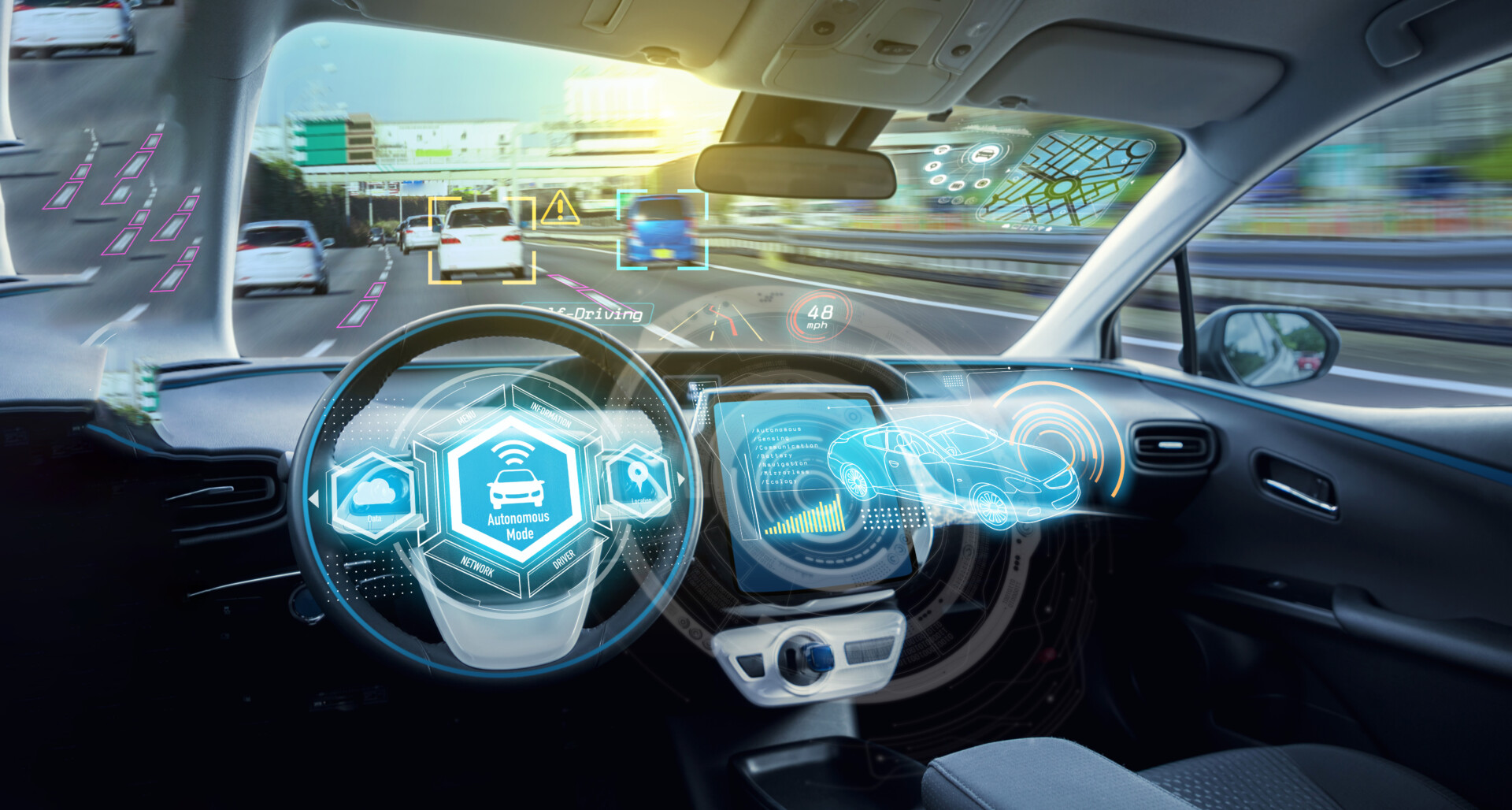
Autonomous driving technology is rapidly transforming the automotive industry, promising safer roads, improved efficiency, and a completely new driving experience. With advancements in artificial intelligence, sensors, and connectivity, self-driving cars are no longer a distant concept but an evolving reality. This article explores the future of autonomous driving technology in cars and what it means for consumers and the transportation landscape.
What Is Autonomous Driving?
Autonomous driving refers to vehicles that can operate without human intervention. These cars use a combination of technologies such as cameras, radar, lidar, and advanced software to navigate roads, detect obstacles, and make decisions in real time.
There are different levels of automation, ranging from basic driver assistance to fully self-driving systems. While most cars today offer partial automation, the goal is to achieve complete autonomy in the near future.
Key Technologies Driving the Future
1. Artificial Intelligence (AI)
AI plays a central role in autonomous vehicles. It processes data from sensors and helps the car make decisions, such as when to stop, accelerate, or change lanes.
2. Advanced Sensors
Sensors like lidar, radar, and cameras provide a 360-degree view of the vehicle’s surroundings. These technologies allow the car to detect pedestrians, other vehicles, and road conditions.
3. Connectivity (V2X Communication)
Vehicle-to-everything (V2X) communication enables cars to interact with traffic signals, infrastructure, and other vehicles. This improves safety and traffic flow.
4. High-Definition Mapping
Detailed maps help autonomous vehicles understand road layouts, traffic patterns, and environmental conditions, ensuring accurate navigation.
Benefits of Autonomous Driving
Autonomous vehicles offer several potential advantages:
- Improved Safety: Reduced human error, which is a major cause of accidents
- Convenience: Hands-free driving allows passengers to relax or work
- Efficiency: Optimized routes reduce fuel consumption and travel time
- Accessibility: Provides mobility for elderly and disabled individuals
Challenges and Limitations
Despite its potential, autonomous driving technology faces several challenges:
- Regulatory Issues: Governments need to establish laws and safety standards
- High Costs: Advanced technology makes these vehicles expensive
- Ethical Concerns: Decision-making in critical situations remains complex
- Technical Limitations: Adapting to unpredictable road conditions is still a challenge
Overcoming these obstacles is crucial for widespread adoption.
Impact on the Automotive Industry
The rise of autonomous driving is reshaping the automotive sector. Traditional car manufacturers are partnering with tech companies to accelerate innovation. New business models, such as ride-sharing and autonomous taxis, are also emerging.
In addition, the demand for electric and hybrid vehicles is increasing alongside automation. Innovations like Affordable Hybrid Cars with Longest Battery Life are becoming more relevant as consumers look for efficient and future-ready transportation solutions.
What to Expect in the Coming Years
The future of autonomous driving will likely unfold in stages:
- Short Term: Enhanced driver-assistance systems and semi-autonomous features
- Medium Term: Wider adoption of fully autonomous vehicles in controlled environments
- Long Term: Fully autonomous transportation networks with minimal human involvement
Urban areas may see faster adoption due to better infrastructure and controlled traffic conditions.
Role of Governments and Regulations
Governments play a critical role in shaping the future of autonomous driving. They must:
- Develop safety standards and testing protocols
- Update traffic laws to accommodate self-driving vehicles
- Invest in smart infrastructure
- Address cybersecurity concerns
Clear regulations will help build public trust and encourage innovation.
FAQs
1. Are fully autonomous cars available today?
Most vehicles today offer partial automation, but fully autonomous cars are still in development and testing phases.
2. How safe are self-driving cars?
They have the potential to be safer than human-driven cars, but ongoing testing and improvements are necessary.
3. Will autonomous cars replace human drivers?
Not completely in the near future. Human drivers will likely coexist with autonomous systems for many years.
4. How expensive are autonomous vehicles?
Currently, they are costly due to advanced technology, but prices are expected to decrease over time.
5. Do autonomous cars use electricity?
Many autonomous vehicles are electric or hybrid, aligning with sustainability trends.
Final Thoughts
The future of autonomous driving technology in cars holds immense promise, from improving road safety to transforming how we travel. While challenges remain, continuous advancements in technology and supportive regulations are paving the way for a smarter and more efficient transportation system.