
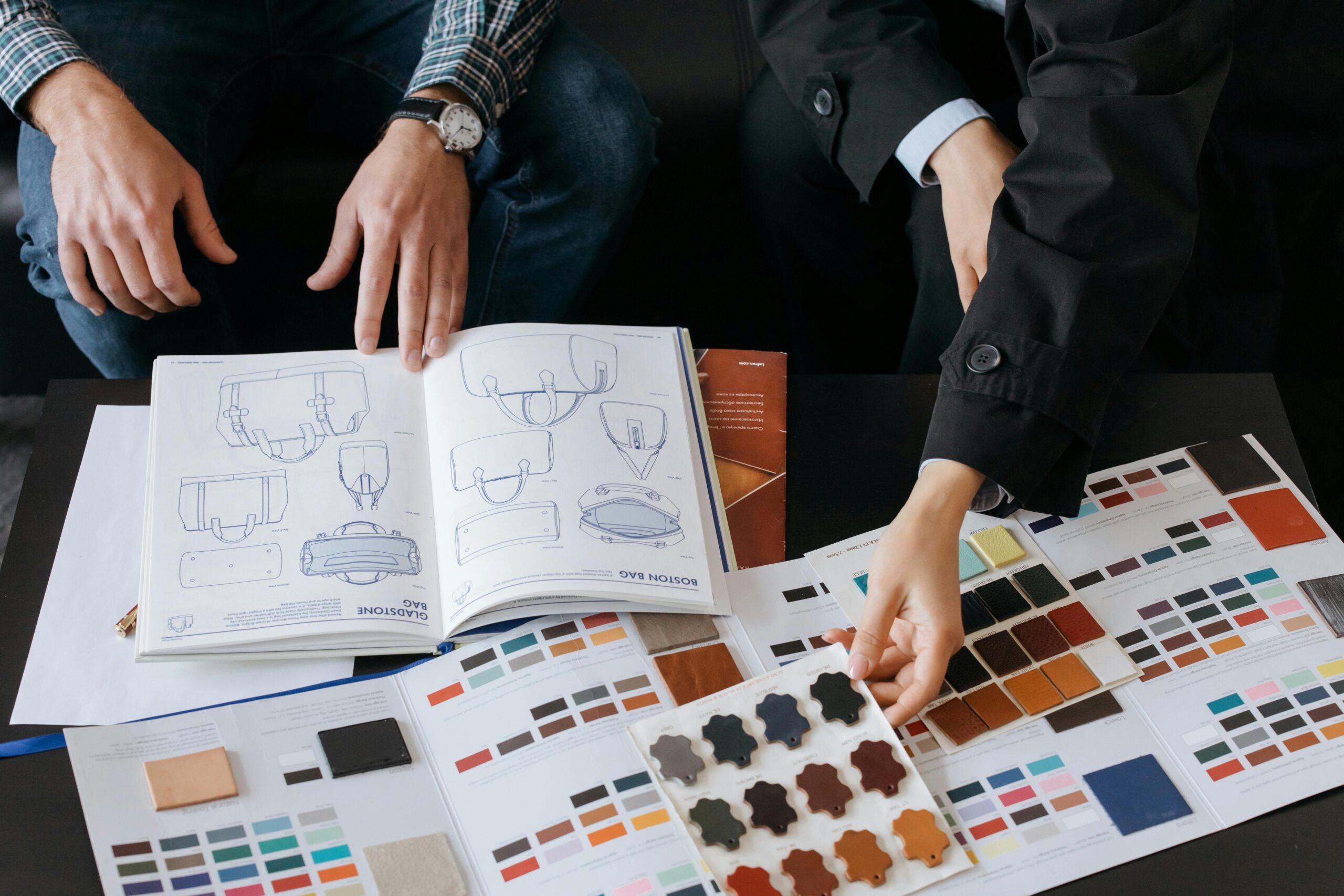
Luxury is no longer defined solely by price, rarity, or brand recognition. Today, it is increasingly shaped by how well a product or experience reflects the individuality of the person who owns it. Personalization has shifted from being an optional extra to becoming a defining feature of modern luxury.
At its core, personalization is about creating something that feels uniquely yours. Rather than selecting from pre-designed collections, consumers now expect to influence the design, materials, and meaning behind what they purchase. This shift signals a deeper desire for authenticity and self-expression in a world that often feels mass-produced.
Why Individuality Is Driving Demand
Consumers today are more focused on identity than status. While traditional luxury emphasized exclusivity through limited availability, modern buyers want exclusivity through personal relevance. They are drawn to items that reflect their tastes, experiences, and values.
This trend is particularly strong among younger audiences, who prioritize individuality over conformity. For them, luxury is not just about owning something rare; it is about owning something meaningful. A personalized piece becomes a reflection of personal milestones, relationships, or achievements, making it far more valuable than a generic item.
As a result, brands are rethinking how they engage with customers, shifting from selling products to creating experiences that feel personal and memorable.
The Return of Craftsmanship
Personalization has also brought renewed attention to craftsmanship. In a world dominated by fast production, there is a growing appreciation for the time, skill, and artistry involved in creating something by hand.
Bespoke services allow clients to collaborate directly with artisans, ensuring every detail aligns with their vision. This process transforms the act of buying into a creative journey, where the final piece holds both artistic and emotional significance.
Nowhere is this more evident than in fine jewelry. Many individuals are turning to bespoke diamond jewellery from Faberge as a way to create one-of-a-kind pieces that capture personal stories while showcasing exceptional craftsmanship.
Technology Meets Tradition
While personalization often evokes images of traditional techniques, technology is playing a major role in shaping its future. Digital tools now allow customers to visualize designs, experiment with different elements, and refine details before production begins.
This blend of technology and craftsmanship makes the customization process more accessible and engaging. Clients can take an active role in designing their luxury items, bridging the gap between imagination and reality.
At the same time, brands are using data to better understand customer preferences, enabling them to offer tailored recommendations and experiences. This combination of innovation and tradition is redefining how luxury is created and consumed.
Emotional Value Takes Center Stage
One of the most significant shifts in luxury is the growing importance of emotional value. While high-quality materials remain important, the meaning behind a piece has become equally significant.
Personalized items often carry deep sentimental value, marking special moments such as anniversaries, celebrations, or personal achievements. These emotional connections turn luxury goods into lasting keepsakes rather than disposable purchases.
This change reflects a broader cultural movement where experiences and memories are valued more highly than material possessions alone.
A More Thoughtful Approach to Consumption
Personalization also encourages more mindful consumption. When people invest in something custom-made, they are more likely to value it and keep it for years to come. This naturally reduces the demand for fast, disposable luxury.
In addition, bespoke production often involves a more careful approach to sourcing and design. Each piece is created with intention, aligning with the growing desire for quality, sustainability, and long-term value.
This shift suggests that personalization is not just about aesthetics; it is also about making more conscious choices.
The Future Is Uniquely Yours
As personalization continues to shape the luxury landscape, it is clear that the future will be defined by individuality. Consumers want more than just beautiful objects; they want pieces that resonate with their identity and experiences.
Brands that embrace this evolution will stand out by offering not just products, but meaningful connections. By combining craftsmanship, innovation, and personal storytelling, luxury is becoming more intimate and expressive than ever before.
In this new era, true luxury is not about following trends. It is about creating something that is entirely your own.