
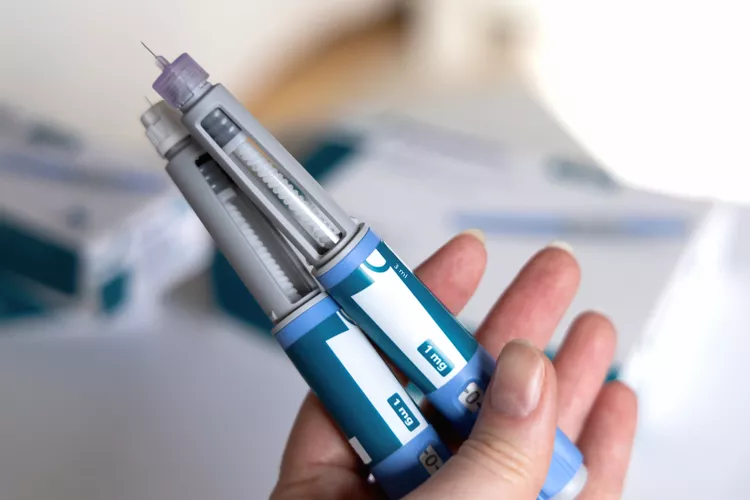
f you have been anywhere near a health conversation in the past few years, you have almost certainly heard the names Ozempic and Wegovy. These medications have generated remarkable attention, from celebrity endorsements to congressional hearings about supply shortages. But most of the coverage focuses on the dramatic results and misses the fascinating biology underneath. As a physician focused on metabolic health, I want to walk you through what these drugs actually do in your body and help you understand whether they might be appropriate for you.
The GLP-1 Hormone: Where It All Starts
GLP-1 stands for glucagon-like peptide 1. It is a hormone your small intestine naturally produces after you eat, and it plays several critical roles in regulating how your body responds to food.
When GLP-1 is released, it does four main things. First, it tells your pancreas to release insulin in response to glucose, which keeps your blood sugar from spiking too high after a meal. Second, it signals your pancreas to reduce glucagon output, which prevents your liver from releasing stored sugar when you do not need it. Third, it slows down how quickly your stomach empties, meaning food stays in your digestive system longer and you feel full for an extended period. Fourth, and most relevant to weight, it travels to receptors in your brain, specifically in the hypothalamus, and directly signals satiety. In plain terms, it tells your brain that you are satisfied and do not need more food.
In people with obesity, GLP-1 signaling is often impaired. The hormone is still released after meals, but the brain does not respond to it as strongly. GLP-1 receptor agonist medications work by flooding those same receptors with a far stronger, longer-lasting signal.
What Ozempic and Wegovy Actually Are
Ozempic and Wegovy both contain the same active ingredient: semaglutide. They are not exactly the same product, however. They differ in their approved doses, their approved uses, and how they are marketed.
Ozempic
Ozempic is FDA approved for the treatment of type 2 diabetes. It is prescribed to help lower blood sugar levels in adults with type 2 diabetes, and it has also demonstrated significant cardiovascular benefits in clinical trials, reducing the risk of heart attack and stroke in people with diabetes and established cardiovascular disease. The maximum approved dose for Ozempic is 2 mg weekly.
Wegovy
Wegovy is FDA approved specifically for chronic weight management. It is the same molecule as Ozempic but is dosed higher, up to 2.4 mg weekly. The higher dose produced meaningfully larger weight loss results in clinical trials. The landmark STEP 1 trial found that adults taking semaglutide 2.4 mg lost an average of approximately 15 percent of their body weight over 68 weeks, compared to around 2.5 percent for those on placebo.
Mounjaro and Zepbound: The Dual Agonists
It is worth mentioning two related medications that have recently entered the picture. Tirzepatide, sold as Mounjaro for diabetes and Zepbound for obesity, works on both the GLP-1 receptor and a second receptor called GIP (glucose-dependent insulinotropic polypeptide). This dual mechanism appears to produce even greater weight loss outcomes. The SURMOUNT-1 trial found that adults taking tirzepatide lost an average of up to 22.5 percent of their body weight at the highest dose, results that rival surgical weight loss in some comparisons.
How the Medication Produces Weight Loss
Understanding the mechanism helps explain both the results and the experience of patients on these medications. The weight loss happens through several pathways working together.
Appetite Reduction
The most powerful effect is a significant reduction in appetite and food cravings. Patients consistently describe it as the internal mental noise around food going quiet. The constant background urge to snack or eat past fullness, which many people experience as an endless battle of willpower, largely disappears. This is not willpower. It is neurochemistry. GLP-1 receptors in the brain’s reward circuitry play a direct role in food motivation, and activating them strongly changes how appealing food feels.
Delayed Gastric Emptying
Because GLP-1 slows the rate at which your stomach empties into the small intestine, smaller amounts of food produce a feeling of fullness that lasts longer. Patients often find they can eat far less at a meal and feel completely satisfied for several hours afterward.
Blood Sugar Stabilization
By improving insulin sensitivity and reducing blood sugar spikes and crashes, these medications smooth out the energy and hunger fluctuations that drive overeating for many people. Stable blood sugar means fewer of the intense cravings that often follow a blood sugar dip.
Weight loss on GLP-1 medications is real and clinically meaningful, but it is also dependent on continued use. Studies show that the majority of weight lost returns within a year of stopping the medication, which is why the FDA classifies obesity as a chronic condition requiring ongoing management.
Who Qualifies: The Clinical Criteria
Qualification depends on which medication and which indication. Here are the current FDA approved criteria, though individual prescribers may also use clinical judgment within these guidelines.
For Wegovy or Zepbound (Weight Management)
Adults qualify for semaglutide 2.4 mg (Wegovy) or tirzepatide for weight management if they meet one of the following:
- A body mass index (BMI) of 30 or greater, which falls in the clinically obese range, OR
- A BMI of 27 or greater with at least one weight-related health condition such as type 2 diabetes, high blood pressure, high cholesterol, sleep apnea, or cardiovascular disease
For adolescents, the FDA has also approved Wegovy for patients aged 12 and older who meet weight criteria, a significant expansion given the rise of pediatric obesity and its long-term health consequences.
For Ozempic or Mounjaro (Type 2 Diabetes)
These medications are approved for adults with type 2 diabetes who need better blood sugar control. Prescribers may also choose them when a patient has both diabetes and cardiovascular disease, given the documented heart benefits in the LEADER and SUSTAIN trials.
Off Label Prescribing
It is common in medicine for physicians to prescribe FDA approved medications for uses beyond the original approval when clinical evidence supports it. Some physicians prescribe lower dose semaglutide (in Ozempic doses) for weight management in patients who cannot access or afford Wegovy. Whether this is appropriate depends on the individual clinical picture and is a conversation to have directly with your doctor.
Who Should Not Take These Medications
As with all medications, there are contraindications and groups who should use caution or avoid them entirely.
- People with a personal or family history of medullary thyroid cancer or Multiple Endocrine Neoplasia syndrome type 2 should not take semaglutide or tirzepatide, as animal studies raised concerns about thyroid C-cell tumors (though this has not been confirmed in humans)
- People with a history of pancreatitis should discuss risks carefully with their physician
- Pregnant women should not use these medications; women who become pregnant while on them should stop taking them
- People with severe gastrointestinal conditions may find the side effect profile unmanageable
Side effects most commonly reported include nausea, vomiting, diarrhea, and constipation, particularly in the first weeks of use as the dose is gradually increased. These are usually manageable and improve over time for most patients.
The Insurance and Access Question
Even for patients who clinically qualify, access is a real barrier. Coverage for anti-obesity medications varies widely between insurance plans. Medicare historically did not cover weight loss medications (though this is changing under new legislation), and many commercial plans either exclude them or require extensive prior authorization. The list prices for Wegovy and Zepbound can exceed $1,000 per month without coverage.
For patients navigating these challenges, speaking with a physician who specializes in metabolic health and weight management is the best starting point. Manufacturer patient assistance programs, compounding pharmacies (for states where allowed), and telehealth platforms focused on obesity medicine have expanded access in recent years.
Is One of These Medications Right for You?
If you meet the BMI criteria and have struggled with weight despite genuine effort through diet and lifestyle changes, GLP-1 receptor agonists represent a meaningful clinical tool. They are not shortcuts. They are medications that address a biological problem that willpower alone was never designed to fix.
A conversation with a qualified physician is the right starting point. If you want to learn more about medically supported weight management options, you can visit WeightLossPills.com for evidence-based information on current treatments and how to get started.
About the Author
Dr. Quoc Dang, DO, is a physician specializing in metabolic health and medically supervised weight management. He writes to help patients understand the science behind their treatment options so they can make confident, informed decisions with their healthcare providers.