
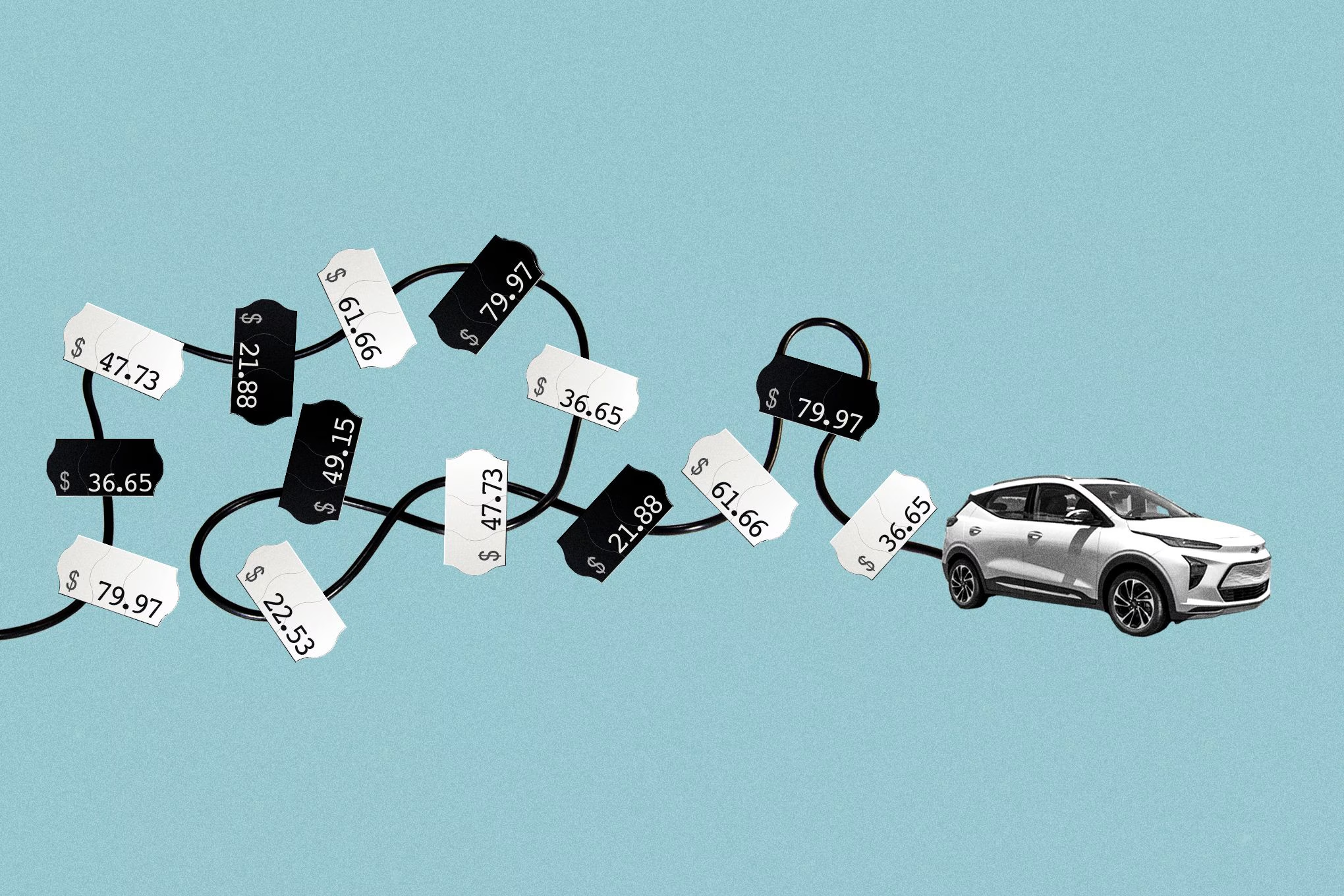
As the automotive industry evolves, many drivers are comparing the real cost of owning an electric car versus a petrol car. While the upfront price often gets the most attention, the yearly cost of ownership is what truly impacts your budget over time. From fuel and maintenance to insurance and depreciation, each factor plays a role in determining which option is more economical.
This article breaks down the yearly costs to help you make an informed decision.
Initial Cost vs Yearly Expenses
Electric vehicles (EVs) typically have a higher purchase price than petrol cars. However, their lower running and maintenance costs can offset that difference over time. Petrol cars, on the other hand, are usually cheaper upfront but come with higher ongoing expenses.
Key Factors Affecting Yearly Costs
1. Fuel vs Electricity Cost
Fuel is one of the biggest yearly expenses for petrol car owners.
- Petrol Cars: Fuel prices fluctuate and can significantly impact your yearly budget.
- Electric Cars: Charging an EV is generally much cheaper than buying petrol, especially if you charge at home.
On average, EV owners spend significantly less per year on energy compared to petrol car owners.
2. Maintenance Costs
Electric cars have fewer moving parts, which reduces maintenance needs.
- Petrol Cars require oil changes, engine servicing, and more frequent part replacements.
- Electric Cars have no engine oil, fewer components, and less wear and tear.
This results in lower yearly maintenance costs for EVs.
3. Insurance Costs
Insurance premiums can vary based on the model and region.
- EVs may have slightly higher insurance due to expensive batteries
- Petrol cars often have more affordable insurance options
However, the difference is usually not as large as fuel savings.
4. Depreciation
Depreciation affects the resale value of your car.
- EV technology is evolving quickly, which can impact resale value
- Petrol cars have a more predictable depreciation curve
Still, as EV adoption grows, resale values are improving.
5. Taxes and Incentives
Many governments offer incentives for electric vehicles.
- Reduced registration fees
- Tax benefits
- Subsidies on EV purchases
Petrol cars generally do not receive such benefits, increasing their yearly cost burden.
Yearly Cost Comparison Table
Below is a simplified comparison of average yearly expenses:
| Expense Category | Electric Car (Yearly) | Petrol Car (Yearly) |
|---|---|---|
| Energy/Fuel | Low | High |
| Maintenance | Low | Medium to High |
| Insurance | Medium | Medium |
| Taxes/Fees | Low | Medium |
| Total Estimate | Lower Overall | Higher Overall |
Example Cost Breakdown
While actual costs vary depending on location and usage, here’s a general idea:
- Electric Car: Lower yearly cost due to cheaper charging and minimal maintenance
- Petrol Car: Higher yearly cost due to fuel expenses and regular servicing
Over several years, EVs often become more cost-effective despite their higher initial price.
Additional Considerations
Charging Infrastructure
Availability of charging stations can affect convenience and cost.
Driving Habits
Long-distance drivers may experience different cost dynamics compared to city drivers.
Battery Replacement
Although not a yearly expense, battery replacement can be costly, but it is usually needed after many years.
Environmental Impact
Electric cars produce zero tailpipe emissions, making them more environmentally friendly. Petrol cars contribute to air pollution and greenhouse gas emissions, which can have long-term societal costs.
Future Trends in Car Ownership
As technology advances, the cost gap between electric and petrol cars is expected to widen further. Innovations linked to the Future of Autonomous Driving Technology in Cars are also shaping how vehicles are used, maintained, and valued, potentially reducing overall ownership costs in the long run.
Pros and Cons Summary
Electric Cars
Pros:
- Lower yearly running costs
- Minimal maintenance
- Eco-friendly
Cons:
- Higher upfront cost
- Charging infrastructure limitations
Petrol Cars
Pros:
- Lower purchase price
- Widely available fueling stations
Cons:
- Higher fuel costs
- More maintenance required
Frequently Asked Questions (FAQs)
1. Are electric cars cheaper to own yearly?
Yes, in most cases electric cars have lower yearly running and maintenance costs compared to petrol cars.
2. Do electric cars require less maintenance?
Yes, they have fewer mechanical components, reducing the need for frequent servicing.
3. Is charging always cheaper than petrol?
Generally, yes—especially when charging at home.
4. What is the biggest yearly expense for petrol cars?
Fuel costs are typically the highest ongoing expense.
5. Will electric cars become more affordable in the future?
Yes, as technology improves and production scales up, prices are expected to decrease.
Final Thoughts
When comparing yearly ownership costs, electric cars clearly have an advantage in terms of fuel savings and maintenance. While petrol cars may still appeal due to lower upfront costs and convenience, the long-term financial and environmental benefits of electric vehicles make them an increasingly attractive choice.