
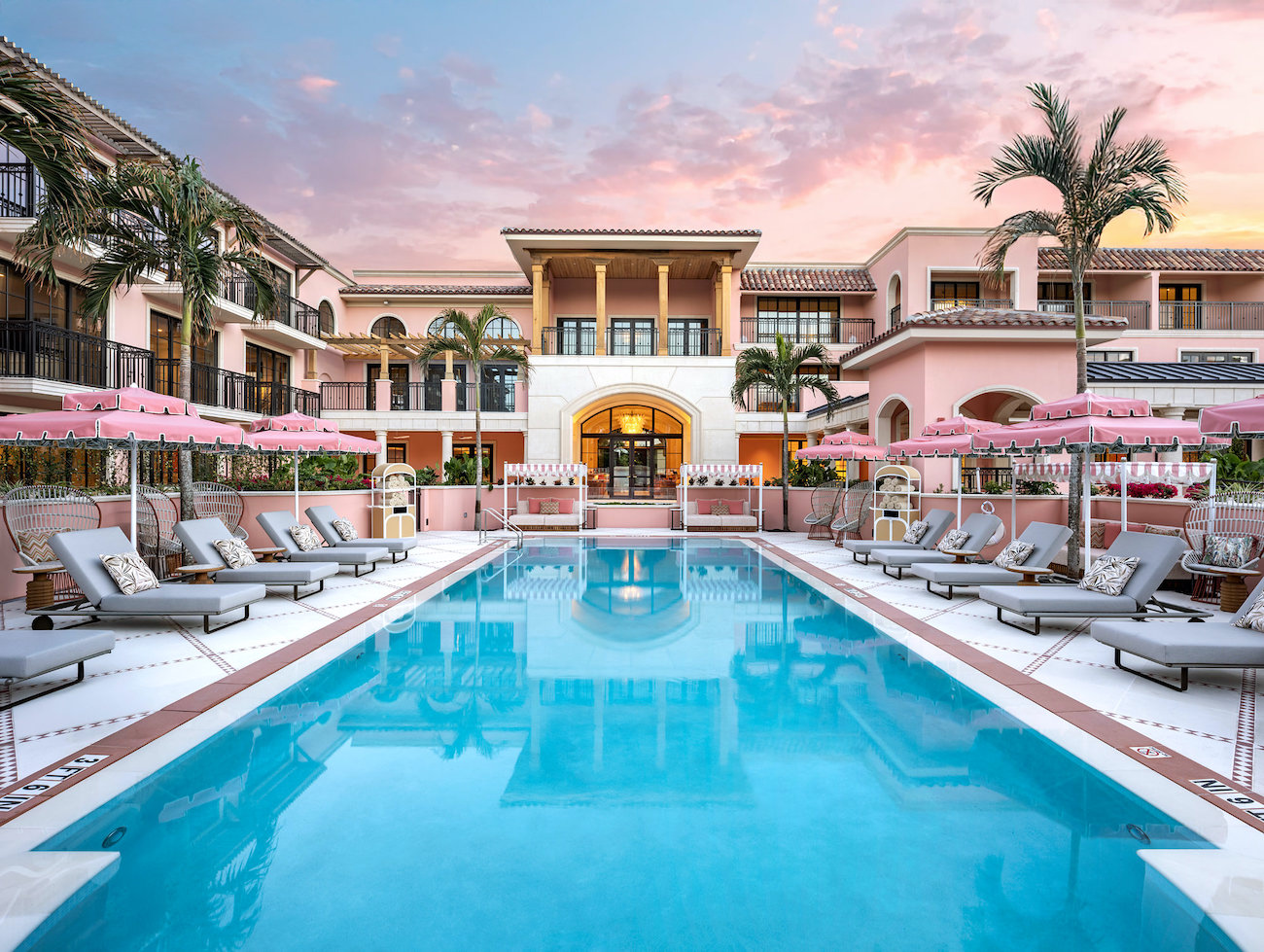
Europe has long defined the idea of luxury travel. From grand palaces in Paris to lakeside villas in Italy and alpine retreats in Switzerland, the continent offers a spectrum of stays that go far beyond five-star labels. What sets Europe apart is not just opulence, but heritage, location, service, and design four pillars that consistently shape the world’s most exceptional hotels.
Across editorial rankings like the Condé Nast Gold List and global awards, properties such as Claridge’s, Badrutt’s Palace Hotel, and Castelfalfi continue to define what luxury looks like in Europe today.
The Legacy of Iconic European Hotels
Luxury in Europe often begins with history. Some of the continent’s most prestigious hotels have been hosting royalty, artists, and cultural icons for over a century. Claridge’s in London, for instance, is synonymous with Art Deco glamour and impeccable service, while Badrutt’s Palace in St. Moritz blends alpine tradition with world-class hospitality.
Then there’s Ritz Paris a property so iconic it has shaped the very definition of Parisian luxury. These hotels are more than places to stay; they are living institutions where history is part of the experience.
What distinguishes these legacy properties is their ability to evolve without losing their identity. Renovations bring modern comforts, but the essence whether it’s a grand lobby or a century-old bar remains untouched.
Italy: The Heart of Romantic Luxury
Italy stands out as one of Europe’s most diverse luxury destinations, offering everything from countryside estates to coastal hideaways.
In ranked among the world’s best hotels offers a villa-style experience with lush gardens and cinematic views. Meanwhile, Villa d’Este remains a timeless favorite, known for its floating pool and aristocratic charm.
Further south, along the Amalfi Coast, Le Sirenuse captures effortless Italian elegance, blending family-run warmth with refined luxury.
In Tuscany, Castelfalfi represents a newer wave of luxury one rooted in sustainability, local culture, and immersive experiences.

France: Where Luxury Meets Art de Vivre
France’s luxury hotels are defined by their attention to detail and deep cultural identity.
In Paris, beyond the Ritz, properties like Hôtel Plaza Athénée and Le Meurice embody haute couture elegance, often partnering with Michelin-starred chefs and fashion houses.
Along the French Riviera, Hotel du Cap-Eden-Roc offers a different kind of luxury sun-soaked, private, and steeped in cinematic history.
France’s approach to luxury is less about excess and more about refinement, gastronomy, and atmosphere a philosophy that continues to attract discerning travelers from around the world.
Switzerland and the Alps: Elevated Escapes
For those seeking a blend of nature and exclusivity, the Alps deliver a unique form of luxury.
Badrutt’s Palace remains the crown jewel of St. Moritz, while The Chedi Andermatt offers a more contemporary take, combining sleek design with world-class spa facilities.
These destinations emphasize privacy, wellness, and seasonal experiences from skiing in winter to hiking and lake retreats in summer.
Spain and Portugal: Understated Sophistication
Luxury in Spain and Portugal often feels more relaxed yet no less refined.
In Madrid, Mandarin Oriental Ritz Madrid blends Belle Époque architecture with modern luxury, while Barcelona’s Hotel Arts Barcelona offers contemporary elegance with Mediterranean views.
Portugal’s boutique scene is equally compelling. Properties like Torel Palace Porto highlight how intimate design-driven hotels are reshaping luxury travel, focusing on personalization and local storytelling.
Boutique Luxury: The Rise of Intimate Experiences
In recent years, boutique hotels have become a defining trend in European luxury travel.
Unlike traditional grand hotels, boutique properties prioritize individuality, design, and personalized service. Across Europe, travelers are increasingly choosing smaller, character-driven stays often with fewer than 50 rooms.
Hotels like Singer Palace Hotel and Ambassade Hotel exemplify this shift, offering curated experiences that feel deeply connected to their surroundings.
What Defines Luxury in Europe Today
Modern luxury in Europe is no longer just about chandeliers and marble floors. Today, it is defined by:
- Authenticity: Hotels rooted in local culture and heritage
- Personalization: Tailored experiences, from private tours to bespoke dining
- Wellness: Spa programs, nature immersion, and holistic treatments
- Sustainability: Eco-conscious design and locally sourced ingredients
Organizations like Relais & Châteaux and Leading Hotels of the World continue to highlight properties that combine these elements, showcasing the diversity of Europe’s luxury landscape.
The Future of Luxury Travel in Europe
Looking ahead, Europe’s luxury hotel scene is evolving toward experience-driven travel. Guests are no longer just booking rooms they’re seeking meaningful stays that connect them to a destination.
From vineyard estates in Tuscany to coastal retreats in Greece and design-forward city hotels in London, the emphasis is shifting toward storytelling, immersion, and emotional connection.
Final Word
Europe remains the gold standard for luxury hospitality not because it offers the most extravagant hotels, but because it offers the most complete experiences.
Whether it’s the timeless elegance of Claridge’s, the lakeside serenity of Passalacqua, or the boutique charm of Torel Palace Porto, each stay tells a story one that blends history, culture, and modern comfort in a way few destinations can match.
And that, ultimately, is what defines true luxury: not just where you stay, but how it makes you feel long after you leave.