
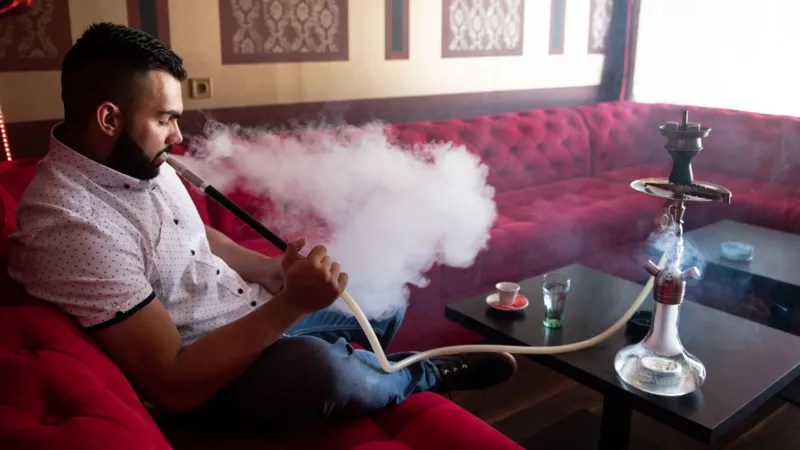
In recent years, hookah smoking, also known as shisha or waterpipe use, has become increasingly popular among young adults worldwide. Once rooted in cultural traditions from regions like India and Turkey, hookah has evolved into a modern social activity that blends leisure, identity, and shared experience. Its growing appeal can be traced to several key factors, including its social nature, sensory appeal, cultural influence, and strong presence in youth-driven spaces.
A Social and Shared Experience
One of the main reasons hookah resonates with young adults is its social aspect. Unlike cigarettes, which are often consumed quickly and individually, hookah is designed to be shared among friends. A typical session can last up to an hour or more, creating an environment that encourages conversation, relaxation, and bonding.
Hookah lounges have embraced this by offering comfortable seating, ambient lighting, and music, turning smoking into a full social experience. For many young people, going to a hookah lounge is not just about the activity itself, but about spending time with others in a laid-back setting. In a fast-paced digital world, this kind of face-to-face interaction holds strong appeal.
Flavor Variety and Personalization
Another major draw is the wide range of flavors available. Hookah tobacco comes in countless options, from fruity blends like mango and watermelon to dessert-inspired flavors such as vanilla or chocolate. This variety makes the experience more enjoyable and accessible, especially for beginners.
Brands like Starbuzz have expanded flavor innovation, allowing users to experiment and even mix combinations. This level of customization aligns with the preferences of younger generations, who value personalization and unique experiences. Hookah becomes more than just smoking—it becomes something to explore and tailor.
Perception of Being Less Harmful
A common reason many young adults try hookah is the belief that it is safer than cigarettes. Because the smoke passes through water, it is often assumed to be filtered and less harmful. The smoother taste compared to cigarettes can reinforce this idea.
However, this perception is misleading. Research shows that hookah smoke still contains harmful substances, including carbon monoxide and toxins. While awareness is growing, the misconception continues to contribute to its popularity, especially among those who might otherwise avoid smoking.
Cultural Appeal and Global Influence
Hookah also carries a sense of cultural identity and tradition. Its origins in India and its spread through the Middle East give it a historical and cultural dimension that many young adults find interesting. For some, using a hookah is a way to connect with cultural practices or explore something outside their everyday experience.
Globalization has helped bring hookah into mainstream youth culture. Today, hookah lounges can be found in cities around the world, blending traditional elements with modern design. This mix of heritage and contemporary style adds to its appeal and makes it feel both authentic and trendy.
The Impact of Social Media
Social media has played a major role in popularizing hookah among young adults. Platforms like Instagram and TikTok often showcase visually appealing hookah setups, smoke tricks, and stylish lounge environments. These posts tend to highlight the lifestyle aspect—relaxation, aesthetics, and social connection—rather than the risks.
Influencers and content creators contribute to this trend by presenting hookah as part of a desirable social life. For young audiences who spend significant time online, this exposure can shape perceptions and make hookah seem fashionable and widely accepted.
Accessibility and Lifestyle Appeal
Hookah is also relatively accessible. The cost of a session is often shared among a group, making it an affordable social activity. Many lounges are located in urban areas near schools or business districts, making them easy to visit.
Additionally, hookah has become a lifestyle symbol for some. Owning a well-crafted hookah or visiting upscale lounges can reflect personal taste and social identity. Traditional brands like Khalil Mamoon are valued for their craftsmanship, while modern designs cater to more contemporary preferences.
Conclusion
The popularity of hookah among young adults is driven by its ability to combine social interaction, sensory enjoyment, and cultural appeal. It offers a shared experience that feels relaxed, customizable, and visually engaging—qualities that strongly resonate with younger generations.
At the same time, misconceptions about its safety highlight the importance of awareness. As hookah continues to grow in popularity, understanding both its appeal and its risks is essential for making informed choices.