
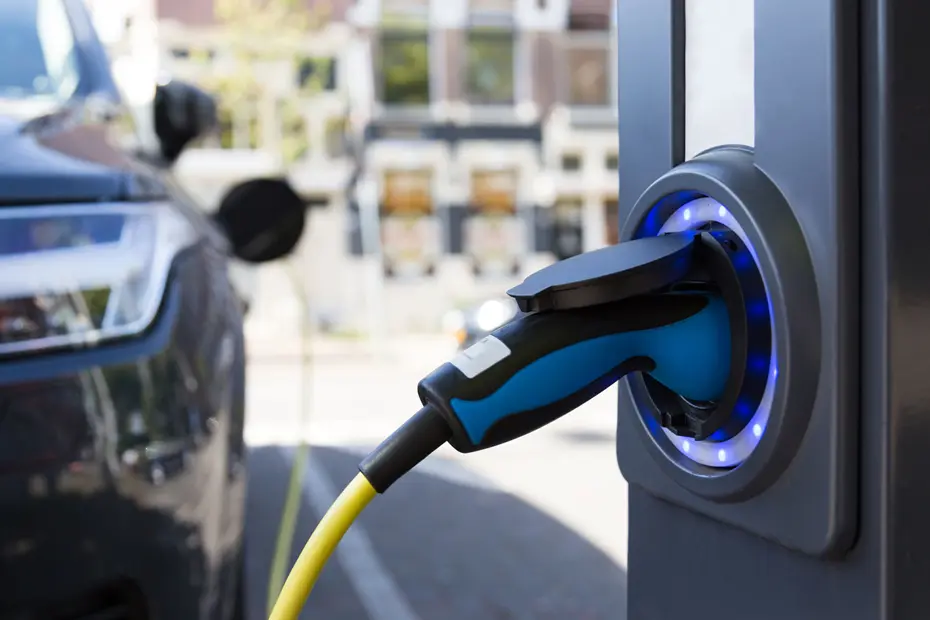
Electric vehicles (EVs) have rapidly gained popularity, but one of the most common concerns among buyers is battery lifespan. Understanding how long electric car batteries last in real-world conditions is essential before making the switch from traditional fuel-powered vehicles.
This guide breaks down battery longevity, factors that affect performance, and practical tips to extend battery life.
Average Lifespan of Electric Car Batteries
In real-world conditions, most electric car batteries last 8 to 15 years or around 150,000 to 300,000 kilometers, depending on usage and environmental factors.
Manufacturers typically provide warranties covering:
- 8 years or 160,000 km (whichever comes first)
- Minimum battery capacity retention (usually around 70%)
Many EV owners report that batteries often last longer than expected, especially with proper care.
How Battery Degradation Works
Electric car batteries don’t suddenly fail—they gradually lose capacity over time. This process is known as degradation.
For example:
- A new EV might offer 400 km range
- After several years, it may drop to 320–350 km
This gradual decline is normal and usually slow, especially in modern EVs with advanced battery management systems.
Factors That Affect Battery Life
1. Charging Habits
Frequent fast charging can increase battery wear compared to slower charging methods.
Best practices:
- Avoid charging to 100% daily
- Keep battery levels between 20% and 80%
- Use fast charging only when necessary
2. Climate and Temperature
Extreme temperatures can impact battery performance.
- Hot climates accelerate degradation
- Cold climates temporarily reduce range
Parking in shaded or temperature-controlled areas helps maintain battery health.
3. Driving Style
Aggressive driving, rapid acceleration, and high speeds can strain the battery.
Smooth driving:
- Improves efficiency
- Reduces battery stress
- Extends overall lifespan
4. Mileage and Usage
Higher mileage leads to more charging cycles, which gradually reduces battery capacity over time.
However, EV batteries are designed to handle thousands of cycles before significant degradation occurs.
Real-World Battery Performance
Studies and user reports show that most EV batteries lose only about 1–2% capacity per year under normal conditions.
This means:
- After 5 years → ~90–95% capacity
- After 10 years → ~80–85% capacity
Even with reduced capacity, the vehicle remains fully usable for daily driving.
Comparison Table: EV Battery Lifespan Factors
| Factor | Impact on Battery Life | Recommendation |
|---|---|---|
| Fast Charging | High | Use occasionally |
| Extreme Heat | High | Park in shade |
| Cold Weather | Medium | Precondition battery |
| Driving Style | Medium | Drive smoothly |
| Charging Frequency | Medium | Avoid constant full charges |
Cost of Battery Replacement
Battery replacement is one of the biggest concerns for EV owners. However, prices have been steadily decreasing.
Typical costs:
- $4,000 to $15,000 depending on the vehicle
- Often unnecessary during the vehicle’s lifetime
Additionally, many manufacturers are improving battery durability, reducing the likelihood of early replacement.
Tips to Extend Electric Car Battery Life
1. Avoid Extreme Charge Levels
Try not to keep your battery at 0% or 100% for long periods.
2. Limit Fast Charging
Use standard home charging whenever possible.
3. Keep the Battery Cool
Avoid prolonged exposure to high temperatures.
4. Drive Efficiently
Smooth acceleration and braking reduce battery strain.
5. Use Built-In Battery Management Features
Modern EVs automatically regulate temperature and charging to protect battery health.
Are EV Batteries Reliable for Long-Term Use?
Yes, modern EV batteries are designed for durability and long-term performance. Many vehicles on the road today continue to perform well even after several years of use.
For families considering switching to electric vehicles—especially those researching options like Top Family SUVs with Advanced Safety Features—battery longevity is no longer a major concern thanks to improved technology and warranties.
Common Myths About EV Batteries
Myth 1: Batteries Fail Suddenly
Reality: They degrade gradually over time.
Myth 2: You Must Replace the Battery Frequently
Reality: Most batteries last the lifetime of the car.
Myth 3: EV Batteries Don’t Work in Cold Weather
Reality: They work fine but may temporarily lose range.
FAQs
1. How many years does an EV battery last?
Most EV batteries last between 8 and 15 years, depending on usage and conditions.
2. Do electric car batteries degrade quickly?
No, degradation is slow—typically around 1–2% per year.
3. Is it expensive to replace an EV battery?
It can be costly, but prices are decreasing, and replacement is rarely needed early.
4. Can I extend my EV battery life?
Yes, by following good charging habits, avoiding extreme temperatures, and driving efficiently.
5. Do EV batteries come with a warranty?
Yes, most manufacturers offer warranties of around 8 years or 160,000 km.
6. What happens when the battery degrades?
The vehicle’s driving range decreases, but it remains functional.
Final Thoughts
Electric car batteries are far more durable than many people assume. With proper care and modern advancements in technology, they can last well over a decade while maintaining strong performance.