
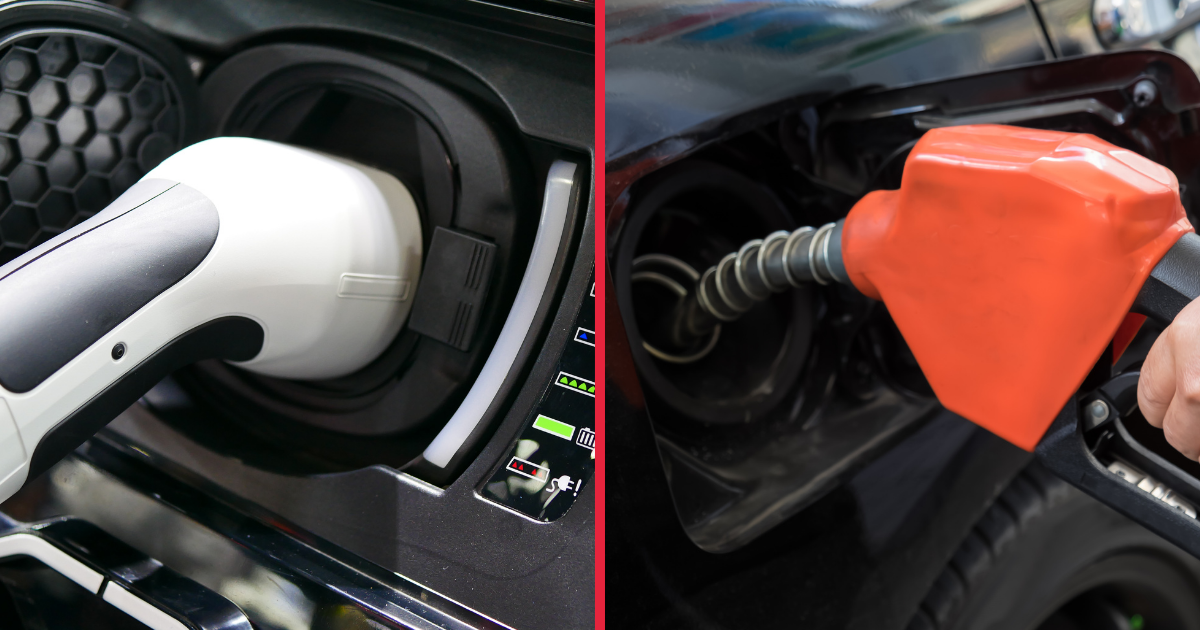
The automotive industry has undergone a major transformation in recent years, and by 2026, electric cars have become more advanced, accessible, and practical than ever before. While gasoline cars still dominate in many regions, electric vehicles (EVs) are rapidly gaining popularity due to their efficiency, environmental benefits, and lower operating costs. Understanding the differences between these two options can help you make a smarter decision when choosing your next vehicle.
What Are Electric Cars?
Electric cars run on electricity stored in batteries instead of using fuel like petrol or diesel. They are powered by electric motors and can be charged at home or public charging stations. Popular EV models now offer longer ranges, faster charging, and improved performance compared to earlier versions.
Key Benefits of Electric Cars
1. Lower Running Costs
Electric cars are significantly cheaper to operate. Electricity costs less than fuel, and EVs require less maintenance because they have fewer moving parts. There’s no need for oil changes, and components like brakes tend to last longer due to regenerative braking systems.
2. Environmentally Friendly
EVs produce zero tailpipe emissions, which helps reduce air pollution and greenhouse gas emissions. This makes them a cleaner option, especially in urban areas where air quality is a concern.
3. Quiet and Smooth Driving Experience
Electric cars offer a nearly silent ride and instant torque, resulting in smooth acceleration. This makes driving more comfortable and enjoyable, especially in city traffic.
4. Government Incentives
Many countries continue to offer tax benefits, subsidies, and reduced registration fees for electric vehicles in 2026. These incentives make EVs more affordable upfront.
5. Advanced Technology
Electric cars often come equipped with the latest technology, including smart infotainment systems, autonomous driving features, and over-the-air software updates.
Benefits of Gasoline Cars
1. Wider Availability of Fuel Stations
Gasoline cars still have the advantage of a well-established refueling infrastructure. Fuel stations are available almost everywhere, making long-distance travel easier without planning for charging stops.
2. Lower Initial Cost (in some cases)
Although EV prices are becoming more competitive, some gasoline cars are still cheaper upfront, especially in developing markets.
3. Familiar Technology
Many drivers are more comfortable with traditional engines, as they have been around for decades. Repairs and servicing are also widely available.
Electric vs Gasoline Cars: Quick Comparison
| Feature | Electric Cars (EVs) | Gasoline Cars |
|---|---|---|
| Fuel Cost | Low | High |
| Maintenance | Minimal | Higher |
| Emissions | Zero tailpipe emissions | High emissions |
| Driving Experience | Quiet and smooth | Noisy and vibration-prone |
| Refueling/Charging | Charging required | Quick refueling |
| Technology | Advanced | Moderate |
Charging vs Refueling
Charging infrastructure has improved significantly by 2026. Fast chargers can now power up a vehicle in under an hour, and home charging options make daily use convenient. However, gasoline cars still win in terms of speed, as refueling takes only a few minutes.
Long-Term Cost Savings
While electric cars may have a higher initial cost, they often save money in the long run due to lower fuel and maintenance expenses. Over several years, EV owners typically spend much less compared to gasoline car owners.
Impact on the Environment
Electric cars play a crucial role in reducing carbon emissions and combating climate change. As renewable energy sources become more common, the environmental benefits of EVs continue to grow. Gasoline cars, on the other hand, contribute significantly to air pollution and global warming.
Which One Should You Choose?
The choice between electric and gasoline cars depends on your needs. If you prioritize low running costs, sustainability, and modern features, an electric car is a great option. However, if you frequently travel long distances or live in areas with limited charging infrastructure, a gasoline car might still be more practical.
For new drivers exploring options, resources like Best Cars for First Time Drivers with Safety Features can help you evaluate both electric and gasoline models based on safety and ease of use.
Common Myths About Electric Cars
Some people believe electric cars are not powerful or have limited range. In reality, modern EVs offer impressive acceleration and can travel hundreds of kilometers on a single charge. Another myth is that batteries don’t last long, but most EV batteries now come with long warranties and improved durability.
FAQs
Q1: Are electric cars cheaper than gasoline cars in 2026?
Electric cars are often cheaper to run, but their upfront cost may still be slightly higher depending on the model.
Q2: How long does it take to charge an electric car?
Fast charging can take 30–60 minutes, while home charging may take several hours.
Q3: Do electric cars require less maintenance?
Yes, they have fewer moving parts and do not require oil changes.
Q4: Are electric cars suitable for long trips?
Yes, but you need to plan charging stops along the way.
Q5: Which is better for the environment?
Electric cars are better as they produce zero tailpipe emissions.
Final Thoughts
In 2026, electric cars clearly offer numerous advantages over gasoline vehicles, especially in terms of cost savings, environmental impact, and advanced technology. While gasoline cars still have some practical benefits, the shift toward electric mobility is becoming increasingly evident. Choosing the right vehicle depends on your lifestyle, but the future of transportation is undoubtedly electric.