
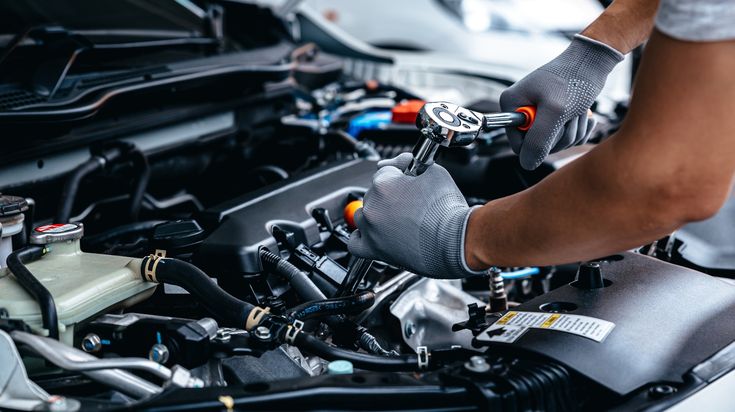
A well-maintained car engine is the heart of a reliable vehicle. Whether you drive daily in the city or take long highway trips, proper engine care ensures better performance, improved fuel efficiency, and a longer vehicle lifespan. Ignoring basic maintenance can lead to costly repairs and reduced engine life over time.
Why Engine Maintenance is Important
The engine is made up of complex mechanical and electrical parts that work under high pressure and heat. Regular maintenance helps:
- Improve fuel efficiency
- Reduce breakdown risks
- Increase engine lifespan
- Enhance driving performance
- Lower repair costs
Essential Tips to Maintain Your Car Engine
1. Change Engine Oil Regularly
Engine oil lubricates moving parts and prevents overheating. Old or dirty oil can damage the engine.
Tip: Follow the manufacturer’s recommended oil change interval.
2. Replace Oil and Air Filters
Filters keep dirt and debris from entering the engine. Clogged filters reduce performance and fuel efficiency.
3. Keep the Cooling System in Check
The cooling system prevents the engine from overheating.
Maintenance steps:
- Check coolant levels regularly
- Inspect radiator for leaks
- Flush coolant periodically
4. Use Quality Fuel
Poor-quality fuel can harm engine components over time. Always use recommended fuel types for your vehicle.
5. Inspect Belts and Hoses
Worn-out belts and hoses can lead to engine failure if not replaced in time.
6. Warm Up the Engine
Letting your engine warm up before driving helps oil circulate properly, especially in cold weather.
7. Drive Smoothly
Avoid sudden acceleration and harsh braking, which put extra stress on the engine.
Regular Maintenance Checklist
| Maintenance Task | Frequency | Importance Level |
|---|---|---|
| Engine oil change | 5,000–10,000 km | High |
| Air filter replacement | 10,000–15,000 km | High |
| Coolant check | Monthly | High |
| Spark plug inspection | 20,000–30,000 km | Medium |
| Belt inspection | Every service | High |
Warning Signs of Engine Problems
- Unusual engine noise
- Reduced fuel efficiency
- Excessive smoke from exhaust
- Engine overheating
- Difficulty starting the car
If you notice these signs, get your vehicle checked immediately.
Driving Habits That Extend Engine Life
- Avoid overloading your car
- Do not idle the engine for too long
- Shift gears smoothly in manual cars
- Maintain steady speeds on highways
- Avoid aggressive driving
Importance of Choosing the Right Vehicle
Engine longevity also depends on build quality and efficiency. Vehicles designed for reliability and efficiency, such as Top Rated Midsize Sedans with Best Fuel Economy, often come with engines built for long-term durability and lower maintenance needs.
Common Mistakes to Avoid
- Ignoring dashboard warning lights
- Skipping regular servicing
- Using low-quality engine oil
- Delaying filter replacements
- Overheating the engine repeatedly
FAQs
1. How often should I service my car engine?
Most cars should be serviced every 5,000–10,000 km or as recommended by the manufacturer.
2. What happens if I don’t change engine oil?
Old oil can cause engine wear, overheating, and eventually engine failure.
3. Can driving style affect engine life?
Yes, aggressive driving can significantly reduce engine lifespan.
4. Is warming up the engine necessary?
Yes, especially in colder climates, to ensure proper lubrication.
5. What is the most important engine maintenance step?
Regular oil and filter changes are the most critical for engine health.
Conclusion
Maintaining a car engine for long-term performance requires consistent care, smart driving habits, and timely servicing. Simple practices like regular oil changes, using quality fuel, and avoiding harsh driving can significantly extend your engine’s life. With proper attention, your vehicle can remain reliable, efficient, and powerful for many years.