
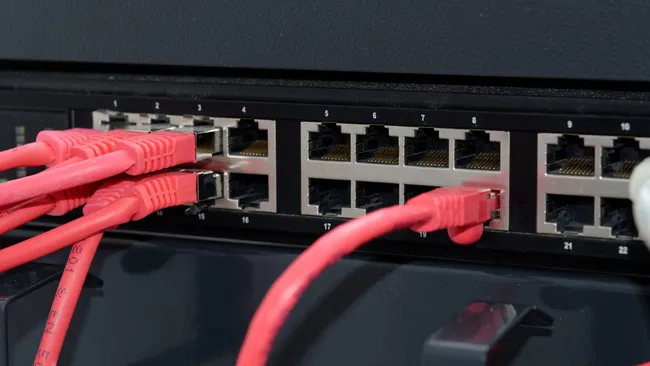
In an increasingly connected world, even small businesses and home offices require reliable networking solutions to maintain productivity and efficiency. While large enterprises often rely on high-density networking equipment, smaller environments benefit significantly from compact and efficient devices. Among these, low-port network switches have carved out an important role by offering the perfect balance between performance, cost, and simplicity.
Understanding Compact Network Switches
A network switch is a device that enables communication between multiple devices within a local area network (LAN). While switches with a high number of ports are suitable for large infrastructures, smaller networks often do not require that level of capacity. Instead, compact switches with fewer ports—such as 8, 12, or 16—are ideal for connecting essential devices like computers, printers, servers, and wireless access points.
One example of such a solution is Cisco 12 Port Switch , which provides sufficient connectivity for small to medium-size the setups without the complexity of larger systems. These switches are designed to deliver reliable performance while maintaining a manageable footprint, making them an excellent choice for businesses with limited space or simpler networking needs.
Advantages of Using Low-Port Switches
1. Space Efficiency
Compact switches are designed to fit easily into small workspaces, whether mounted in a rack or placed on a desk. This makes them ideal for offices where space is at a premium. Unlike larger switches, they do not require extensive infrastructure or cooling systems.
2. Cost-Effective Networking
For small businesses or startups, budget considerations are crucial. Investing in a smaller switch helps reduce upfront costs while still providing the necessary functionality. Additionally, lower power consumption contributes to long-term savings on energy bills.
3. Simplified Setup and Management
Low-port switches are typically easier to install and manage compared to their high-density counterparts. Many models offer plug-and-play functionality, allowing users to get their network up and running quickly without extensive technical knowledge. Managed versions also provide essential features like VLAN configuration and traffic monitoring, but in a more user-friendly format.
4. Adequate Performance for Smaller Networks
In environments where only a limited number of devices need to be connected, a compact switch delivers more than enough performance. Modern switches in this category support Gigabit Ethernet speeds, ensuring fast data transfer and smooth network operations.
5. Flexibility and Scalability
Although these switches are smaller, they still offer room for growth. Businesses can start with a compact switch and expand their network gradually by adding more switches or upgrading to larger models as needed. This modular approach helps avoid unnecessary expenses in the early stages.
Key Features to Consider
When choosing a compact network switch, it’s important to evaluate certain features to ensure it aligns with your needs:
- Port Speed: Look for Gigabit Ethernet ports to ensure high-speed connectivity.
- Power over Ethernet (PoE): Useful for powering devices like IP cameras and VoIP phones.
- Managed vs. Unmanaged: Managed switches offer more control, while unmanaged switches are simpler and easier to use.
- Build Quality: Durable construction ensures long-term reliability.
- Security Features: Basic security measures like port isolation and access control can help protect your network.
Common Use Cases
Compact network switches are versatile and can be used in various scenarios:
- Home Offices: Connecting personal computers, printers, and smart devices.
- Small Businesses: Supporting daily operations with a limited number of devices.
- Retail Stores: Managing point-of-sale systems and inventory devices.
- Remote Work Setups: Providing stable connectivity for employees working from home.
- Educational Environments: Supporting small classrooms or administrative offices.
Future of Small-Scale Networking
As technology evolves, the demand for efficient and compact networking solutions continues to grow. The rise of remote work, IoT devices, and cloud-based applications has made reliable networking more important than ever—even for smaller setups.
Manufacturers are now integrating advanced features such as energy efficiency, enhanced security protocols, and smart management tools into compact switches. This ensures that even smaller devices can deliver enterprise-level performance when needed.
Additionally, the trend toward hybrid work environments means that small offices and home networks must be just as reliable as traditional corporate setups. Compact switches are well-positioned to meet this demand by offering a combination of simplicity, performance, and affordability.
Conclusion
Compact network switches play a crucial role in supporting small and growing networks. They provide the essential connectivity needed for daily operations without the complexity or cost of larger systems. Whether you are setting up a home office, launching a startup, or managing a small business, choosing the right switch can make a significant difference in your network’s performance and reliability.
By carefully considering your requirements and selecting a solution that offers the right balance of features and scalability, you can build a network that not only meets your current needs but also supports future growth.