
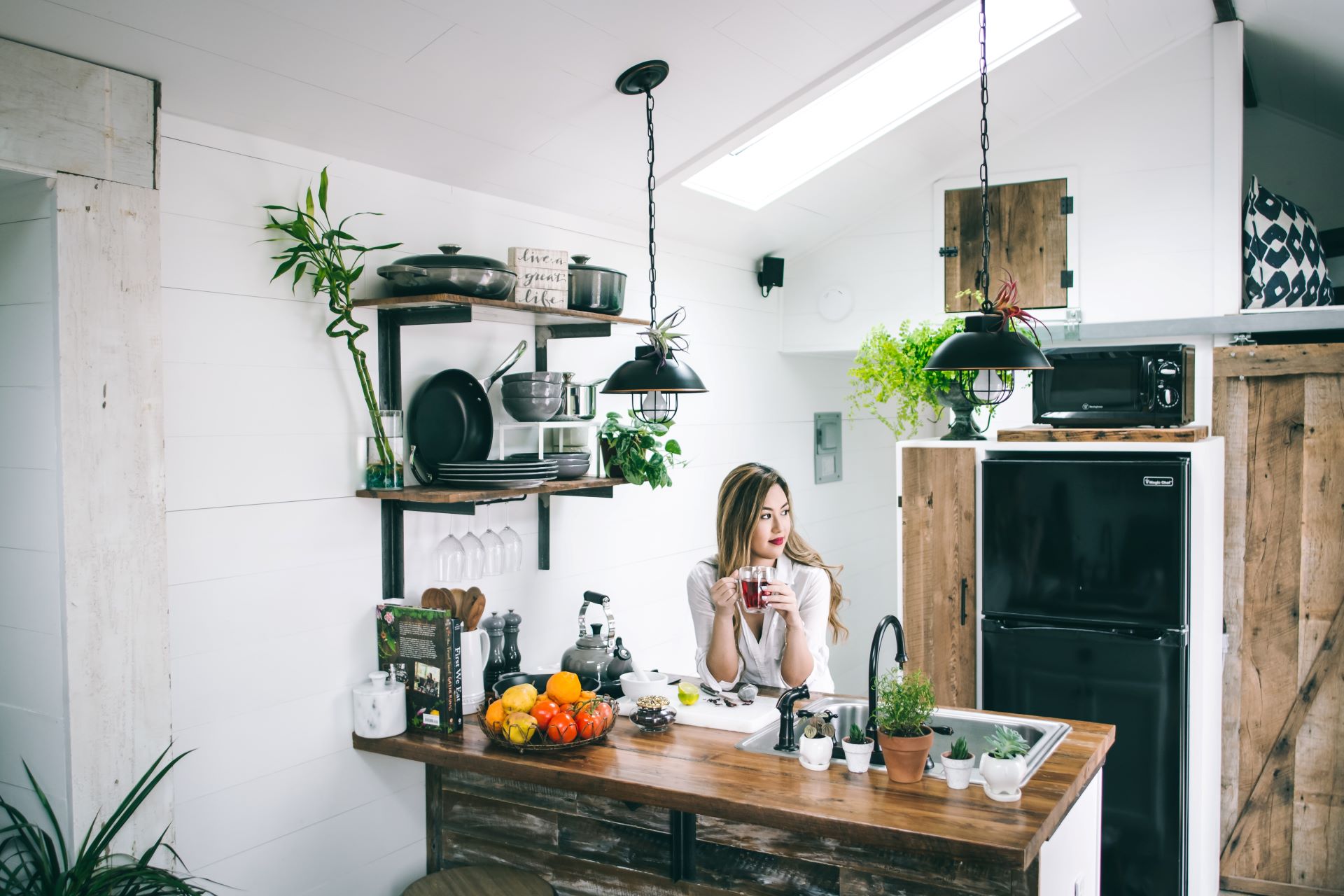
A home is more than just a place to live—it’s a reflection of lifestyle, comfort, and personal values. As homeowners become more conscious of functionality, aesthetics, and sustainability, modern home design has evolved into a thoughtful balance between beauty and practicality. Whether you are building a new house or upgrading your current space, smart planning can significantly enhance both living quality and property value.
The Importance of Thoughtful Home Design
Good home design starts with understanding how space is used daily. From open-plan living areas to private workspaces, every element should serve a purpose. Modern homeowners prioritize flexibility, ensuring their homes can adapt to changing needs such as remote work, growing families, or aging in place.
Natural light, ventilation, and efficient layouts are key components of a well-designed home. These factors not only improve comfort but also reduce energy consumption, contributing to a more sustainable lifestyle.
Open-Concept Living: A Modern Essential
Open-concept layouts have become a popular choice in contemporary homes. By removing unnecessary walls, these designs create a sense of spaciousness and allow for better interaction between family members.
Benefits of open-concept living include:
- Improved natural light distribution
- Better airflow throughout the home
- Enhanced social connectivity
- Flexible use of space
However, it’s important to balance openness with defined zones. Strategic furniture placement, lighting, and flooring can help create distinct areas within a larger space.
Maximizing Storage Without Compromising Style
Clutter can quickly disrupt the harmony of any home. Smart storage solutions are essential for maintaining a clean and organized environment. Built-in cabinets, multifunctional furniture, and hidden storage compartments are practical ways to maximize space without sacrificing aesthetics.
Custom storage solutions can be tailored to fit specific needs, ensuring that every inch of space is utilized effectively. This is especially important in smaller homes where efficient use of space is crucial.
The Role of Materials and Finishes
The choice of materials plays a significant role in both the appearance and durability of a home. Natural materials such as wood, stone, and glass are widely favored for their timeless appeal and sustainability.
When selecting finishes, it’s important to consider:
- Durability and maintenance requirements
- Environmental impact
- Compatibility with overall design
High-quality materials may require a higher initial investment, but they often provide long-term benefits in terms of longevity and reduced maintenance costs.
Integrating Indoor and Outdoor Spaces
Modern home design increasingly focuses on creating a seamless connection between indoor and outdoor areas. Features such as large sliding doors, patios, and landscaped gardens help extend living spaces and bring nature closer to home.
Outdoor areas can be transformed into functional spaces for relaxation, dining, or entertainment. This not only enhances the overall living experience but also adds value to the property.
Energy Efficiency and Sustainable Living
Sustainability is becoming a central aspect of home design. Energy-efficient homes not only reduce environmental impact but also lower utility bills.
Key strategies for improving energy efficiency include:
- Installing energy-efficient windows and insulation
- Using LED lighting and smart appliances
- Incorporating renewable energy sources such as solar panels
Sustainable design also involves choosing eco-friendly materials and reducing waste during construction.
Smart Home Technology
Technology is transforming how we interact with our homes. Smart home systems allow homeowners to control lighting, temperature, security, and appliances remotely.
Benefits of smart home technology include:
- Increased convenience and comfort
- Enhanced security
- Improved energy management
As technology continues to advance, integrating smart systems into home design is becoming increasingly important.
Personalization and Aesthetic Appeal
A well-designed home should reflect the personality and preferences of its occupants. From color schemes to furniture choices, personalization plays a key role in creating a space that feels truly unique.
Neutral tones combined with accent elements can create a balanced and visually appealing environment. Incorporating artwork, textures, and decorative elements adds character and warmth to the space.
Working with Professionals
Designing or renovating a home can be a complex process that requires expertise and careful planning. Collaborating with experienced professionals ensures that your vision is translated into a functional and aesthetically pleasing design.
Professional designers and architects bring valuable insights into space planning, material selection, and construction techniques. Exploring established architects studios can provide inspiration and help homeowners find the right expertise for their projects.
Future-Proofing Your Home
A forward-thinking approach to home design ensures that your property remains functional and relevant for years to come. This includes planning for future needs, such as additional space, accessibility features, or evolving technology.
Flexible layouts, durable materials, and adaptable systems can help create a home that grows with you over time.
Conclusion
Modern home design is about creating spaces that are not only visually appealing but also functional, sustainable, and adaptable. By focusing on smart planning, efficient use of space, and thoughtful material selection, homeowners can build living environments that enhance both comfort and quality of life.
Whether you are starting from scratch or upgrading an existing property, investing in good design is always worthwhile. With the right approach and professional guidance, your home can become a perfect blend of style, efficiency, and long-term value.