
If you have lived long enough or take the time to catch up on the news each day, then you know that emergencies occur without notice. With that knowledge at hand, you have two choices: Go about your day and hope for the best, or make emergency preparations a priority, just in case. You get to decide what to do, but the latter option seems like the better choice. When you are ready to begin, continue reading.
Put Your Go Bag Together
If you have to leave home quickly, you may not have time to gather your thoughts, think clearly, and collect what you will need to survive. Luckily, you can do something about that right now and mitigate your stress later on.
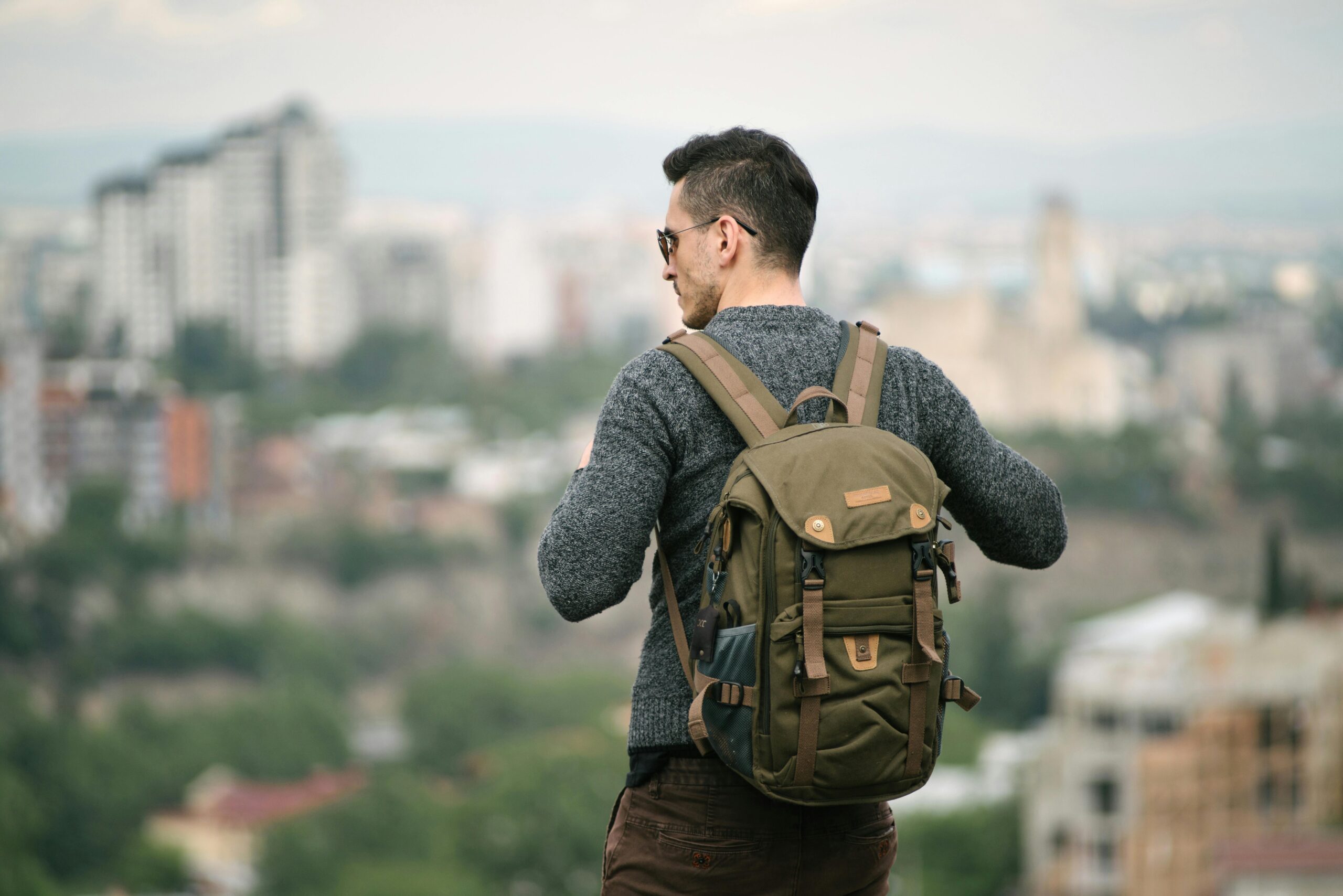
You will need to put together a go bag for each member of your family, even those who are too small to carry one. The most important part of your go bag is its portability. If you have an unwieldy suitcase on rollers that is too heavy to carry but too difficult to roll on uneven terrain, it will only cause you more problems. The solution is to find strong, sturdy, and durable bags that sit well on your back and are comfortable to wear as long as you need. These Army assault packs are a good solution. They are tactical and ready to go. Select the size you need and start packing.
Here is a short list of items to include in each go bag:
- Food bars
- Water bottle
- Personal water filter
- Medications in their original bottle with label intact, and pain relievers
- Extra pair of clothing and undergarments
- Windbreaker or light jacket
- Whistle
- Flashlight
- Packable blanket
- Portable charger and cords
- List of phone numbers printed and laminated
- Address and directions for emergency shelter
- Hand sanitizer
- First Aid kit
- Rain poncho
- Back-up eyeglasses and contacts
- Multi-tool
- Find more survival kit items here
Learn CPR and Basic Life-saving Practices
In an emergency situation, healthcare needs will still arise. Compound those everyday circumstances with the potential for accidents due to bad weather and dangerous roadways, and it is important for you to have a basic understanding of CPR and life-saving skills. This goes for anyone else in your family who is old enough to learn these things, too.
Consider signing up for a local class as a family. You may have learned these skills years ago, but a refresher course could prove beneficial in an emergency. In addition, some of the methodology and best practices have changed over time. All it takes is a few hours, and you will be more confident in an emergency situation where minutes matter.
Watch this short video to learn how to perform hands-only CPR.

Know Where the Nearest Shelter and Evacuation Sites are Located
Sometimes, you have to evacuate and take care of yourself. And other times, you will be able to rely on the local infrastructure to help you. It may be a combination of both, depending on how long the emergency lasts.
It is important to know where your nearest emergency shelter and evacuation site is located. You can usually find up-to-date information on your city’s official website. If not, make some calls to find out instead of waiting until it is too late. In emergency situations, the phone lines are often down, as is the internet. Once you find out the location, print out a map from your home to the shelter and ensure there are detailed directions. Go a step further and map out alternate routes, just in case roadways are blocked. It will also be helpful to learn about any pet restrictions at these shelters.
You can even locate sites further out in the event that your local shelter is already at capacity. Once you are done, drive the primary and alternate routes. This will help you alleviate some of the stress you will experience and make you more comfortable with the route, especially if you have to navigate your way at night with the city lights inoperable. Be sure to keep copies of the maps and directions in each go bag you have created.
Keep Your Children Calm
If you have young children, you already know that a disruption to their regular schedules can wreak havoc on their usually calm demeanor. They may become fussy, irritable, or begin crying, regardless of their age. Their feelings and behaviors will only compound the stress of the emergency situation. While you cannot mitigate all of their fears and anxiety surrounding what is happening, you can take steps to help alleviate their stress. Remember, kids, just like pets, can sense when you are upset and tend to feed off of it.
To help your kids manage their emotions and keep them occupied, you should pack some small toys, games, and books into their bags. Find brand new items that will occupy them for a while.
Here are some suggestions:
- Coloring books
- Blank notepads
- Colored pencils with an enclosed sharpener
- Puzzle books
- Pencils with a sharpener and eraser
- Magnetic tiles
- Two decks of cards
- Magnetic chess set
- Toy cars
- Books
- New stuffies
- Small, soft blankets
If your child has a favorite stuffy that they have difficulty sleeping without, make a note of that and safety pin it to the outside of your go bag. In some emergency events, you will not be able to grab it, but if you have enough time to plan, this will be very helpful for them and you.

When you know what to do in the event of an emergency, you will handle the situation with more confidence and a commanding presence that will help inspire confidence and comfort in the rest of your family. Preparation can also make the difference in whether or not you and the people you love are safe in what has the potential to be a terrible situation involving your survival. Do not put off these important tasks any longer. Make it a priority to begin essential preparations that will help you, just in case.