
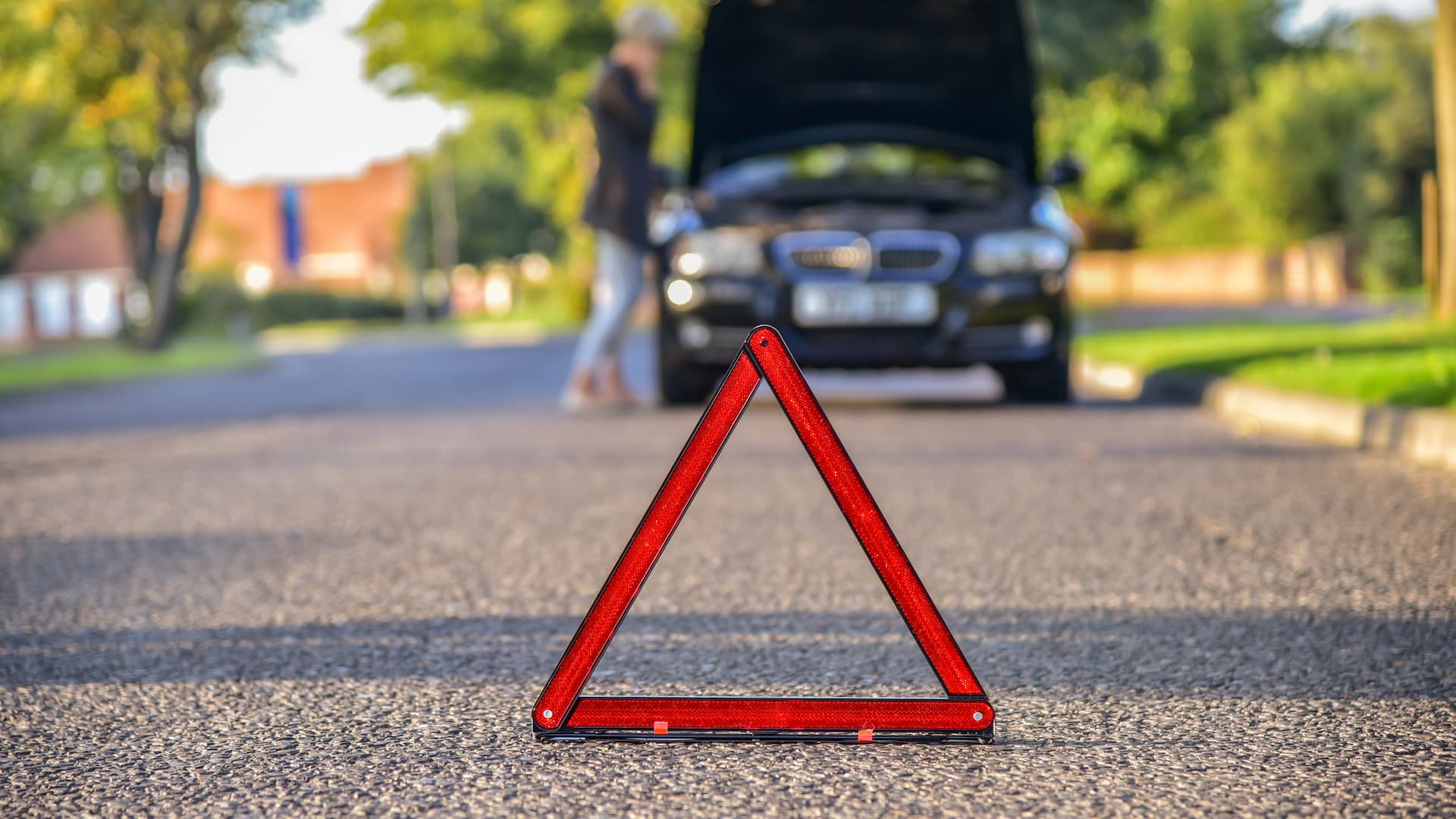
Car problems can happen unexpectedly and often lead to expensive repair bills. However, many common vehicle issues can be diagnosed and fixed at home with basic tools and a little knowledge. Learning simple car maintenance and repair skills not only saves money but also helps you avoid unnecessary trips to the mechanic.
While serious mechanical failures should always be handled by professionals, many everyday car problems are manageable for beginners. Understanding how your vehicle works can also help prevent minor issues from becoming major repairs.
This guide covers common car problems and how to fix them at home, including battery issues, overheating, brake problems, engine concerns, and basic maintenance tips.
Why Learning Basic Car Repairs Is Important
Knowing basic car maintenance offers several benefits:
- Saves money on repairs
- Reduces emergency breakdowns
- Improves vehicle safety
- Extends car lifespan
- Helps identify issues early
- Builds confidence in handling emergencies
Even simple maintenance habits can prevent costly future repairs.
Most Common Car Problems
| Car Problem | Possible Cause | DIY Difficulty |
|---|---|---|
| Dead Battery | Weak battery or loose terminals | Easy |
| Flat Tire | Puncture or low pressure | Easy |
| Engine Overheating | Coolant issues | Medium |
| Brake Noise | Worn brake pads | Medium |
| Car Won’t Start | Battery or starter issues | Medium |
| Check Engine Light | Multiple possible causes | Medium |
| Poor Fuel Economy | Dirty filters or bad habits | Easy |
| Squeaky Belts | Worn serpentine belt | Medium |
Many of these issues can be fixed at home using simple tools and basic maintenance knowledge.
1. Dead Car Battery
A dead battery is one of the most common reasons cars fail to start.
Signs of a Dead Battery
- Clicking sound when turning the key
- Dim headlights
- Electrical systems not working
- Slow engine crank
How to Fix It at Home
Jump-Start the Battery
You will need:
- Jumper cables
- Another vehicle with a working battery
Steps:
- Connect positive cable to dead battery.
- Connect the other positive end to the working battery.
- Connect negative cable to the working battery.
- Attach the remaining negative cable to a metal surface on the dead car.
- Start the working vehicle first.
- Try starting the dead vehicle.
Clean Battery Terminals
Corrosion can prevent proper battery connection.
Use:
- Baking soda
- Water
- Wire brush
Cleaning terminals may restore proper electrical flow.
2. Flat Tire
Flat tires are extremely common but relatively easy to handle.
Causes
- Sharp objects
- Tire wear
- Low tire pressure
- Valve leaks
How to Fix It
Temporary Tire Repair
For small punctures:
- Use a tire repair kit
- Seal the puncture
- Inflate the tire
Replace With Spare Tire
Steps include:
- Loosen lug nuts
- Raise vehicle using a jack
- Remove flat tire
- Install spare tire
- Tighten lug nuts securely
Always check tire pressure regularly to reduce flat tire risks.
3. Engine Overheating
Overheating can seriously damage the engine if ignored.
Common Causes
- Low coolant
- Coolant leaks
- Broken radiator fan
- Faulty thermostat
What to Do
- Turn off the engine immediately.
- Allow the engine to cool completely.
- Check coolant levels.
- Add coolant if necessary.
Never open a hot radiator cap because pressurized steam can cause burns.
4. Brake Squeaking or Grinding
Brake noises usually indicate worn brake pads.
Signs
- Squeaking sounds
- Grinding noises
- Reduced braking performance
Basic Home Fix
Brake pads can often be replaced at home if you have:
- Jack stands
- Socket wrench
- Replacement pads
However, severe brake issues should be inspected professionally for safety reasons.
5. Car Won’t Start
If the battery is working but the car still will not start, several issues may be responsible.
Possible Causes
- Faulty starter motor
- Fuel delivery issues
- Ignition problems
- Blown fuse
DIY Checks
- Inspect battery connections
- Check fuses
- Listen for starter clicking
- Ensure fuel is available
Simple fuse replacements can sometimes solve starting issues quickly.
6. Check Engine Light
The check engine light can indicate minor or major problems.
Common Causes
- Loose gas cap
- Oxygen sensor issues
- Spark plug problems
- Catalytic converter issues
DIY Solution
Use an OBD2 scanner to read error codes.
Affordable scanners connect easily and help identify many problems before visiting a mechanic.
7. Poor Fuel Efficiency
Reduced fuel economy often signals maintenance problems or inefficient driving habits.
Common Causes
- Dirty air filter
- Underinflated tires
- Poor driving habits
- Worn spark plugs
Easy Fixes
- Replace air filters
- Check tire pressure
- Reduce unnecessary weight
- Maintain regular servicing
Many drivers researching vehicle maintenance also explore Tips to Improve Car Fuel Efficiency Instantly to better understand how small maintenance habits can improve mileage and lower fuel costs.
8. Squeaky or Worn Belts
Serpentine belts power several important engine components.
Signs of Belt Problems
- Squealing noises
- Cracks in the belt
- Power steering issues
Basic Fix
Inspect the belt for wear and replace if damaged.
Loose belts may only require tension adjustment.
9. Dim Headlights
Dim headlights reduce visibility and driving safety.
Causes
- Weak battery
- Dirty headlight lenses
- Old bulbs
Simple Fixes
- Replace bulbs
- Clean headlight covers
- Check battery voltage
Headlight restoration kits can improve cloudy lenses significantly.
10. Windshield Wiper Problems
Worn wiper blades reduce visibility during rain.
Signs
- Streaking
- Squeaking
- Missed spots
Home Fix
Replacing wiper blades usually takes only a few minutes and requires no special tools.
Basic Tools Every Car Owner Should Have
| Tool | Purpose |
|---|---|
| Jumper Cables | Battery emergencies |
| Tire Pressure Gauge | Tire maintenance |
| Jack and Lug Wrench | Tire replacement |
| Screwdrivers | General repairs |
| Socket Set | Mechanical work |
| OBD2 Scanner | Diagnosing engine issues |
| Flashlight | Emergency inspections |
Having these tools can help handle many minor repairs at home.
Preventive Maintenance Tips
Preventing problems is easier and cheaper than fixing major breakdowns.
Important Maintenance Habits
- Change engine oil regularly
- Check tire pressure monthly
- Inspect fluid levels
- Replace air filters
- Monitor warning lights
- Rotate tires regularly
Routine maintenance extends vehicle lifespan and improves reliability.
When to Avoid DIY Repairs
Some repairs should always be handled by certified mechanics.
Professional Repairs Include
- Transmission repairs
- Airbag systems
- Major engine work
- Electrical system failures
- Brake fluid leaks
Attempting advanced repairs without experience may worsen the problem.
Safety Tips for Home Car Repairs
Always:
- Work on flat surfaces
- Use jack stands properly
- Wear gloves and eye protection
- Disconnect the battery when needed
- Allow hot engines to cool
Safety should always come first during vehicle repairs.
Benefits of Learning DIY Car Maintenance
DIY maintenance helps:
- Reduce repair costs
- Improve emergency preparedness
- Increase understanding of your vehicle
- Prevent avoidable breakdowns
Even basic knowledge can save significant money over time.
Final Thoughts
Many common car problems can be fixed at home with basic tools, patience, and proper guidance. Dead batteries, flat tires, poor fuel economy, squeaky belts, and minor maintenance tasks are often manageable for beginners.
Learning simple DIY car repairs not only saves money but also helps drivers identify problems early before they become expensive repairs. Regular maintenance, safe driving habits, and routine inspections are the best ways to keep your vehicle reliable and running smoothly for years.
FAQs
What is the most common car problem?
Dead batteries and flat tires are among the most common vehicle issues drivers experience.
Can I fix a dead battery at home?
Yes, many dead batteries can be jump-started or restored by cleaning corroded terminals.
Is it safe to replace brake pads at home?
Basic brake pad replacement can be done at home with proper tools, but serious brake issues should be handled professionally.
Why is my check engine light on?
The check engine light may indicate issues ranging from a loose gas cap to engine or sensor problems.
How often should I check tire pressure?
Tire pressure should generally be checked at least once monthly.
What causes poor fuel efficiency?
Dirty air filters, underinflated tires, poor driving habits, and overdue maintenance commonly reduce fuel efficiency.
Which car repairs should not be done at home?
Complex repairs involving transmissions, airbags, electrical systems, or major engine work should usually be handled by professionals.