
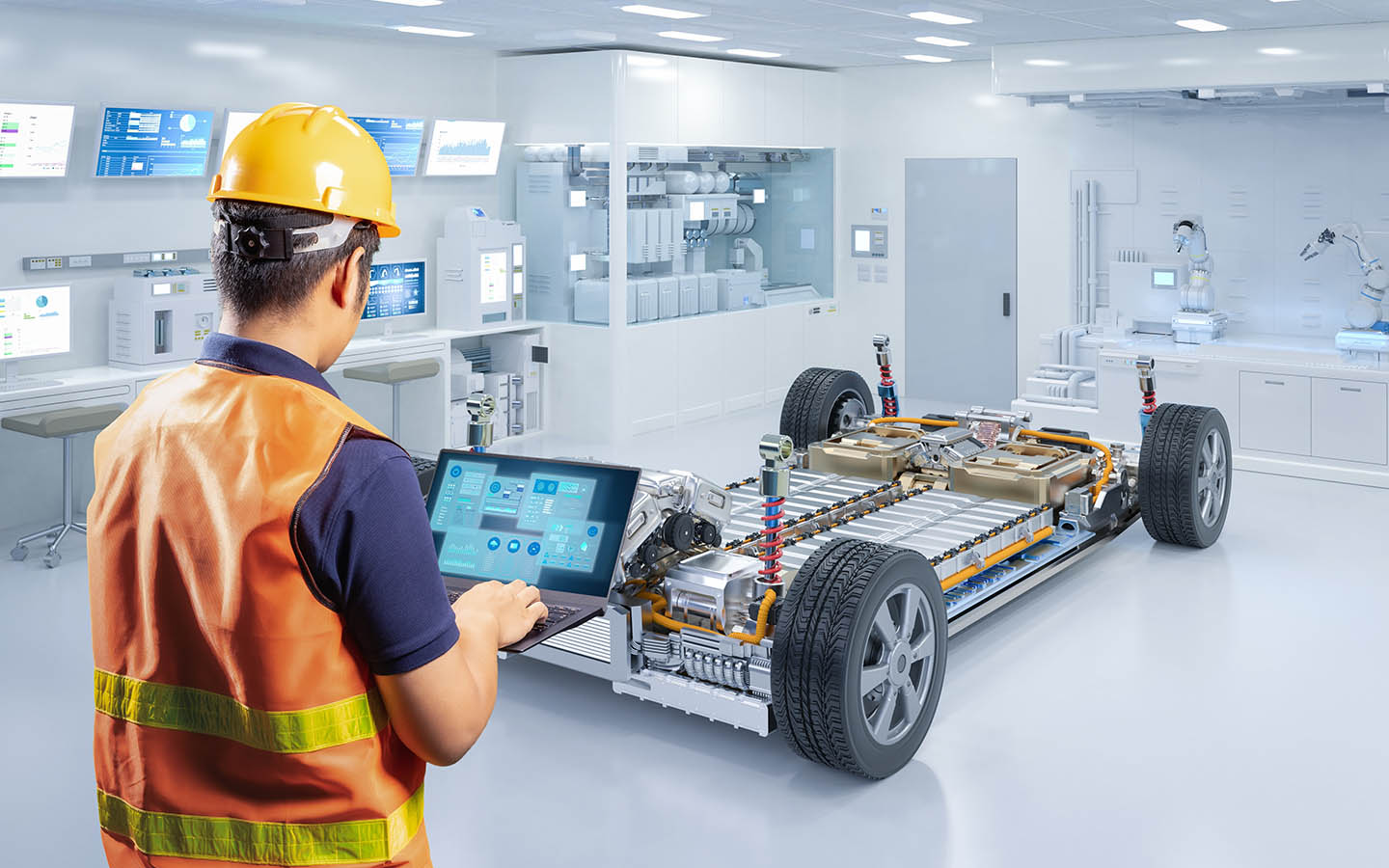
Electric vehicles (EVs) are often marketed as low-maintenance alternatives to traditional gasoline cars. With fewer moving parts, no oil changes, and lower fuel expenses, many drivers assume EV ownership is significantly cheaper over time. While electric cars can reduce several common automotive costs, there are still hidden maintenance expenses that many buyers overlook before making a purchase.
Understanding these hidden costs is essential for anyone considering an EV, especially first-time buyers who want to avoid unexpected financial surprises. From battery degradation to tire wear and charging equipment maintenance, electric vehicles come with unique ownership expenses that differ from conventional cars.
Why EV Maintenance Seems Cheaper at First
At first glance, electric vehicles appear far more affordable to maintain than internal combustion engine vehicles. EVs do not require:
- Engine oil changes
- Spark plug replacements
- Exhaust system repairs
- Transmission servicing
- Fuel filter replacements
Because of this, many automakers and dealerships promote EVs as “maintenance-free” vehicles. However, the reality is more nuanced. Although EVs eliminate several traditional service costs, they introduce other expenses that can become significant over time.
Battery Degradation and Replacement Costs
The battery pack is the most expensive component in an electric vehicle. While EV batteries are designed to last many years, they naturally degrade over time due to charging cycles, heat exposure, and daily use.
How Battery Degradation Affects Owners
As the battery ages, the vehicle’s driving range gradually decreases. A car that originally offered 300 miles per charge may eventually provide only 240–250 miles after several years of use.
Battery degradation may also reduce resale value because used-car buyers often prioritize range and battery health.
Battery Replacement Expenses
Replacing an EV battery can cost thousands of dollars depending on the vehicle model. Even though warranties typically cover batteries for 8 years or 100,000 miles, owners planning long-term use should still consider future replacement costs.
Tire Wear Happens Faster in EVs
One commonly overlooked maintenance issue is accelerated tire wear. Electric vehicles are usually heavier than gasoline cars because of their large battery packs. They also deliver instant torque, which places additional stress on tires.
As a result, EV owners often replace tires more frequently than expected.
Why EV Tires Cost More
EV-specific tires are specially designed for:
- Low rolling resistance
- Noise reduction
- Higher vehicle weight
- Improved efficiency
These tires can be considerably more expensive than standard tires used on conventional vehicles.
Charging Equipment Maintenance
Many EV owners install home charging stations for convenience. While this improves charging accessibility, it introduces another hidden ownership cost.
Home Charger Repairs and Upgrades
Charging equipment may require:
| EV Maintenance Item | Average Cost Range | Frequency |
|---|---|---|
| Home charger installation | $500–$2,000 | One-time |
| Tire replacement | $800–$1,500 | Every 25k–40k miles |
| Battery coolant service | $150–$400 | Periodic |
| Brake fluid replacement | $100–$300 | Every few years |
| Battery replacement | $5,000–$20,000 | Rare but costly |
Electrical upgrades may also be needed if the home’s wiring cannot support fast charging systems. Over time, charging cables, connectors, and wall units may require maintenance or replacement.
Brake System Maintenance Still Exists
Many drivers assume EVs barely use brakes because of regenerative braking systems. While regenerative braking does reduce brake pad wear, it does not eliminate brake maintenance entirely.
Common Brake-Related Costs
Electric vehicles still require:
- Brake fluid replacement
- Brake caliper servicing
- Rotor maintenance
- Corrosion prevention
In some climates, reduced brake use can actually increase rust buildup on brake components because friction brakes are used less frequently.
Cooling System Maintenance
Unlike traditional vehicles, EVs rely heavily on thermal management systems to regulate battery temperatures.
Why Cooling Systems Matter
The battery, inverter, and electric motor all require cooling to operate efficiently and safely. Coolant systems in EVs may need periodic servicing to prevent overheating and preserve battery life.
Ignoring thermal system maintenance can lead to reduced performance and expensive repairs.
Software and Electronic Repair Costs
Electric vehicles depend heavily on advanced software, sensors, and electronic systems. While software updates can improve performance, repairing electronic components outside warranty periods can become expensive.
Potential Electronic Expenses
Owners may eventually face costs related to:
- Touchscreen failures
- Sensor replacements
- Camera system repairs
- Charging module issues
- Software diagnostics
Because EV technology evolves rapidly, replacement parts may also be costly or difficult to source for older models.
Insurance Can Be More Expensive
Although not technically maintenance, insurance is another hidden ownership cost tied closely to EV repairs.
Electric vehicles often cost more to insure because:
- Battery repairs are expensive
- Specialized technicians are required
- Replacement parts may take longer to obtain
- Collision repairs can be more complex
Some insurance providers charge higher premiums for electric vehicles due to these increased repair costs.
Limited Repair Shop Availability
Finding qualified EV mechanics is not always easy, especially in smaller cities or rural areas.
Why Specialized Repairs Cost More
EV servicing often requires:
- High-voltage certification
- Specialized tools
- Manufacturer-specific training
Limited technician availability can increase labor costs and repair wait times.
Public Charging Expenses Add Up
Many buyers focus on fuel savings without considering public charging fees.
Fast charging stations typically cost more than home electricity rates. Frequent reliance on public chargers can significantly reduce expected savings compared to gasoline vehicles.
In some areas, charging prices increase during peak demand periods, adding even more long-term ownership costs.
Depreciation and Resale Challenges
Electric vehicle technology changes rapidly. Older EV models may lose value faster because buyers prefer newer batteries with longer ranges and updated features.
Battery health reports are becoming increasingly important in the used EV market, making maintenance history crucial for resale value.
For shoppers researching the Best Used Electric Cars for First Time Buyers, battery condition, charging history, and warranty coverage should be carefully evaluated before purchase.
Are Electric Vehicles Still Worth It?
Despite these hidden maintenance costs, electric vehicles can still provide substantial long-term savings for many drivers. Owners who charge primarily at home, drive moderate distances, and maintain their vehicles properly may spend less overall compared to gasoline car ownership.
However, understanding the complete cost picture is essential before purchasing an EV. Buyers should evaluate driving habits, local charging availability, climate conditions, and long-term ownership goals before making a decision.
Tips to Reduce EV Maintenance Costs
Here are several ways EV owners can minimize hidden expenses:
- Avoid excessive fast charging
- Maintain proper tire pressure
- Follow battery cooling maintenance schedules
- Install surge protection for home chargers
- Keep software updated regularly
- Drive smoothly to reduce tire wear
- Use regenerative braking efficiently
Preventive care can significantly improve battery lifespan and reduce unexpected repair bills.
Frequently Asked Questions
Do electric vehicles require less maintenance than gasoline cars?
Yes, EVs generally require less routine maintenance because they have fewer moving parts and no oil changes. However, they still have hidden costs related to batteries, tires, electronics, and charging systems.
How long do EV batteries usually last?
Most EV batteries last between 8 and 15 years depending on driving habits, climate, and charging practices.
Are EV tires more expensive?
Yes, EV tires are often more expensive because they are designed to handle heavier vehicle weight and instant torque while maximizing efficiency.
Is home charging cheaper than public charging?
In most cases, yes. Charging at home is usually significantly cheaper than using public fast-charging stations regularly.
Can EV maintenance costs increase over time?
Yes. As the vehicle ages and warranties expire, battery degradation, electronic repairs, and charging system issues may increase maintenance expenses.
Final Thoughts
Electric vehicles offer impressive benefits, including reduced fuel costs, quieter driving experiences, and lower emissions. However, many buyers underestimate the hidden maintenance costs associated with EV ownership.
Battery degradation, tire replacement, charging equipment upkeep, software repairs, and specialized servicing can all impact long-term affordability. Understanding these expenses before purchasing an EV allows drivers to make smarter financial decisions and avoid unpleasant surprises later.