
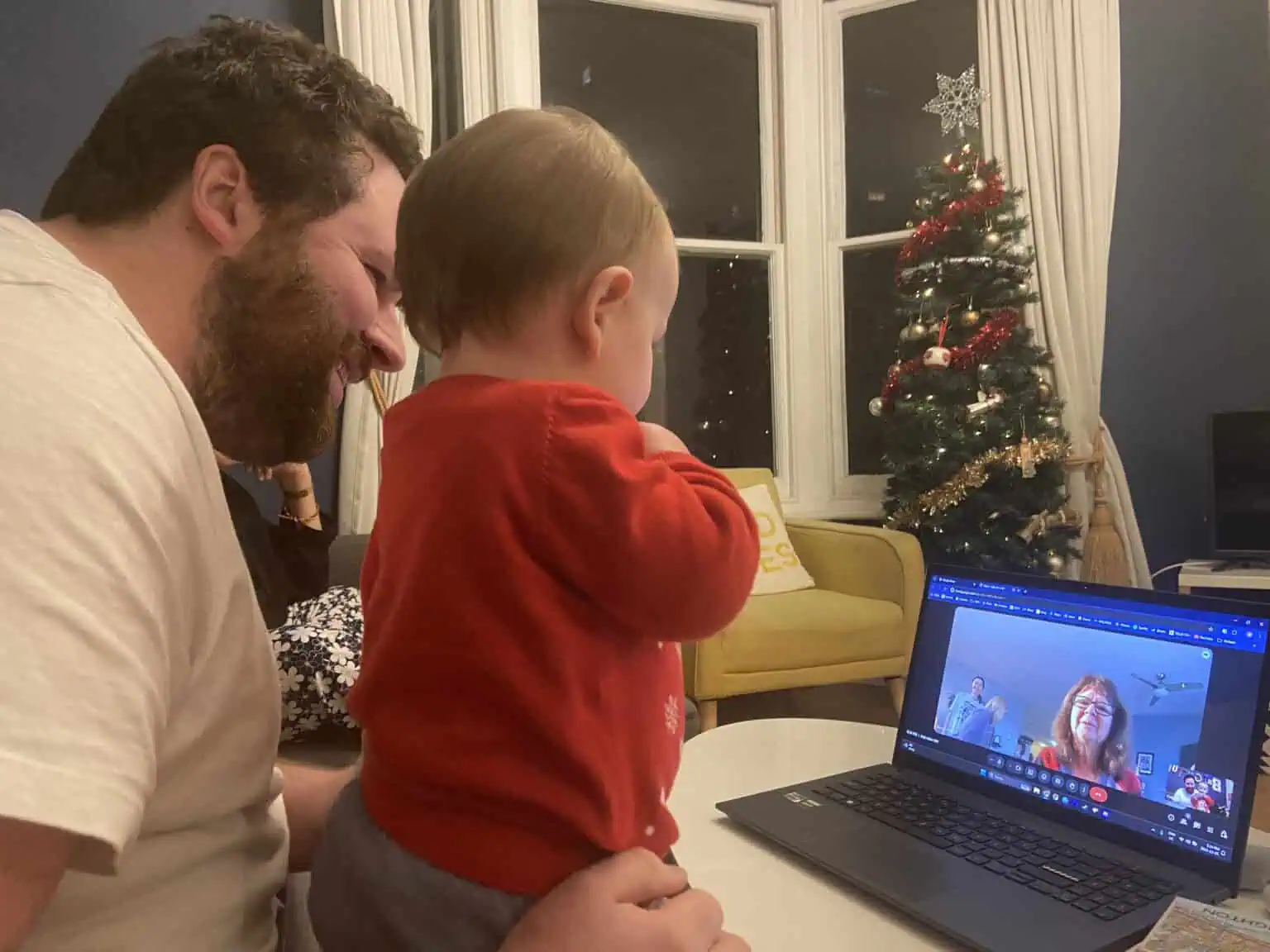
I put off this article for about six months because honestly, I kept hoping someone would figure it out for me. Skype officially shut down in May 2025, and for a lot of families I know, that was the end of an era nobody had really planned for. My aunt in Vancouver has been calling her sister in Shanghai every Sunday morning for nineteen years. Same time, same routine, same Skype call. When it disappeared, she just stopped calling. Not because she didn’t want to talk to her sister, but because she didn’t know what to use next, and nobody she trusted had given her a straight answer.
I think that’s the part people miss when they write about the death of Skype. It wasn’t just a piece of software. For an entire generation of immigrants and travelers, it was the thing that made the Pacific Ocean feel smaller. You could be in Toronto on a Tuesday night in your slippers and your mother could be in Guangzhou eating breakfast, and for thirty minutes the time zones didn’t really matter. Microsoft pushed everyone to Teams, but Teams isn’t built for that. Teams is built for the office, and you can feel it the second you open the app.
So this is the piece I wish someone had written for my aunt. I’ve spent the better part of this year testing what actually works for keeping in touch with family in China, the Philippines, India, anywhere the regular apps get complicated, and I want to share what I’ve found. None of this is theoretical. These are the tools I now use myself.
The WeChat problem is so real
The obvious answer for China is WeChat, and yes, if your family already uses it, that’s the path of least resistance. But there’s a real issue here that I want to be honest about. WeChat requires both people to have working accounts, and getting an account verified from outside China has gotten harder, not easier, over the past few years. You usually need an existing WeChat user to vouch for you, and the verification process can take weeks. For older relatives who already have it, fine. For anyone setting up fresh in 2026, prepare for friction.
The other piece is that WeChat is best for messaging and video calls within the app. It does not let you call a regular Chinese landline or mobile number unless the other person is also on WeChat. My aunt’s sister has WeChat, but my aunt’s elderly cousin in a small village outside Chengdu does not, and probably never will. She has a flip phone. That cousin is exactly who the rest of this article is about.
The case for a proper international calling service
For calling actual phone numbers in China, the cheapest and most reliable thing I’ve found is a browser-based VoIP service. I had been using a different provider for years that nickel-and-dimed me with monthly minimums and dropped calls. A friend who works in international logistics put me onto Sayfone earlier this year, and it has genuinely solved the problem I had been quietly working around for ages.
What I like about it is the simplicity. It runs in your browser, so there’s no app to install on your aunt’s laptop, no account for her to manage, nothing to update. You just dial the number. Rates from Canada to mainland China land at around two and a half cents a minute for landlines and three cents for mobiles, which is roughly what I was paying through my old provider for half the call quality. There’s a full breakdown on their call rates page if you want to check the numbers against your usual destination before you commit.
The pay-as-you-go model is what sold me. I top up twenty dollars, and that lasts my household around three months. No subscription, no auto-renew that I forget to cancel, no minimum spend. For families who only call once a week, this matters more than the per-minute rate.
A note on call quality and what actually matters
The thing nobody tells you about international calling is that the bottleneck is almost never the service you’re using. It’s the connection on the other end. If your grandmother is on a 4G signal in a rural part of Sichuan, no amount of money you throw at the calling app is going to fix that. What you can control is your own connection, the codec the service uses, and whether the service has servers reasonably close to your destination.
VoIP services that route everything through North American servers and then bounce out to China tend to have noticeable lag. The ones with regional infrastructure feel almost like a local call. This is worth testing on the first call before you commit to anything. Make a short test call. Listen for delay. If the conversation feels like a walkie-talkie, try a different service.
The bigger picture for staying connected across continents
Beyond the technical setup, the thing I have come to believe is that the routine matters more than the tool. My aunt didn’t start calling her sister again because I gave her a better app. She started calling again because I sat with her one Saturday afternoon, set everything up, made the first call with her, and helped her save the contact on the homepage of her browser. The friction needs to be gone before the habit comes back.
If you’re helping a parent or grandparent through this transition, I’d say budget two hours for the first setup, do it in person if you can, and use the first call to talk to someone they actually want to hear from. Make the new tool emotionally associated with a good conversation, not with troubleshooting.
It’s also worth being aware that international communication services in Canada are regulated by the Canadian Radio-television and Telecommunications Commission, and reputable providers are transparent about how they handle calls, rates, and customer data. Check that any service you sign up for has a clear privacy policy and listed rates before you put a credit card in. If a provider hides their pricing behind a signup wall, that tells you something about the kind of company they are.
What I tell people now
When friends ask me what they should do now that Skype is gone, my answer has gotten shorter. If your family is already on WhatsApp or WeChat, use that, accept the limitations, and move on. If you need to call an actual phone number, especially in China, get a browser-based VoIP service with transparent per-minute rates and skip the subscription apps entirely. If you’re setting this up for an older relative, do it in person, make the first call together, and save the number somewhere they can find it.
The technology will keep changing. Apps will come and go, and another Skype-shaped hole will probably open up in a few years when something else gets discontinued. What stays the same is the Sunday morning call, the voice on the other end, the small ritual of saying hello across an ocean. That’s the part worth protecting.
My aunt is back to calling her sister every Sunday. The cousin with the flip phone is also back in rotation now. Nobody in our family talks about Skype anymore. It turns out the only thing that was really irreplaceable was the habit.